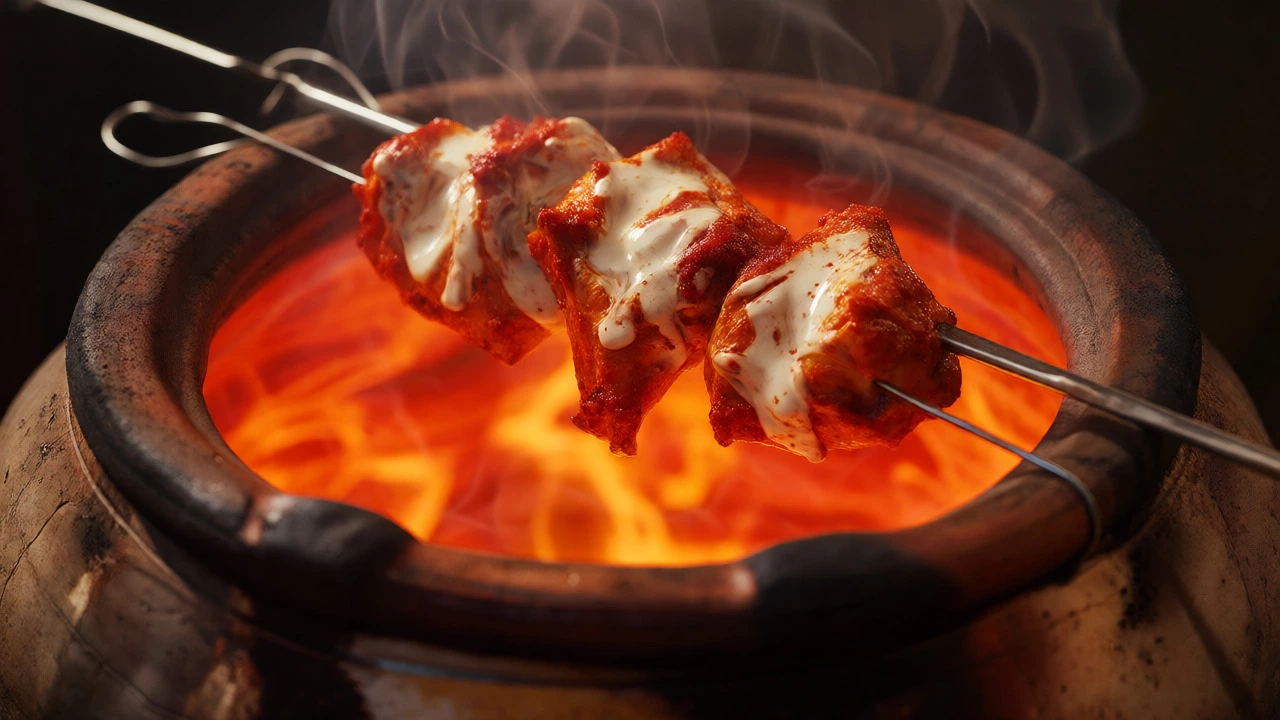
Why is tandoori chicken so dry? Fixing the Texture
Struggling with dry tandoori chicken? Discover the science behind moisture loss, the importance of yogurt marinades, and how to master high-heat cooking techniques in a home oven.
When you think of Indian recipes, a diverse collection of traditional dishes rooted in regional ingredients, cooking methods, and daily rituals. Also known as Indian cuisine, it’s not about exotic spices alone—it’s about timing, texture, and trust in simple techniques passed down through generations. Whether you’re making dosa batter, a fermented rice and urad dal mixture used to create crisp South Indian crepes or paneer, a fresh, non-melting cheese made by curdling milk with acid, the difference between good and great comes down to one thing: knowing when to wait, when to act, and when to skip the shortcuts.
Indian recipes don’t need fancy tools. You don’t need a pressure cooker to make perfect dal, or cream to thicken a curry. Restaurant-style chicken curry gets its depth from slow-cooked onions and tomatoes, not powder. Fluffy roti comes from steam and kneading, not baking soda. Even the most famous sweet in India, jalebi, a deep-fried, syrup-soaked dessert enjoyed daily across towns and cities, relies on just three ingredients and perfect oil temperature. These aren’t secrets locked in cookbooks—they’re habits. And if you’ve ever struggled with dosa batter that won’t ferment, or paneer that turns rubbery, you’re not doing anything wrong—you’re just missing the right step.
What you’ll find here isn’t a list of recipes. It’s a guide to the hidden rules behind them. Why soak paneer before cooking? How much milk do you really need for a block of cheese? Can biryani be easy? Is garlic even used in every Indian dish? These questions come from real kitchens—homes, street stalls, and family kitchens where flavor matters more than trends. You’ll learn what actually works, what’s just noise, and which traditions still hold up after decades. No fluff. No guesswork. Just the facts that make Indian food taste like home.
Struggling with dry tandoori chicken? Discover the science behind moisture loss, the importance of yogurt marinades, and how to master high-heat cooking techniques in a home oven.
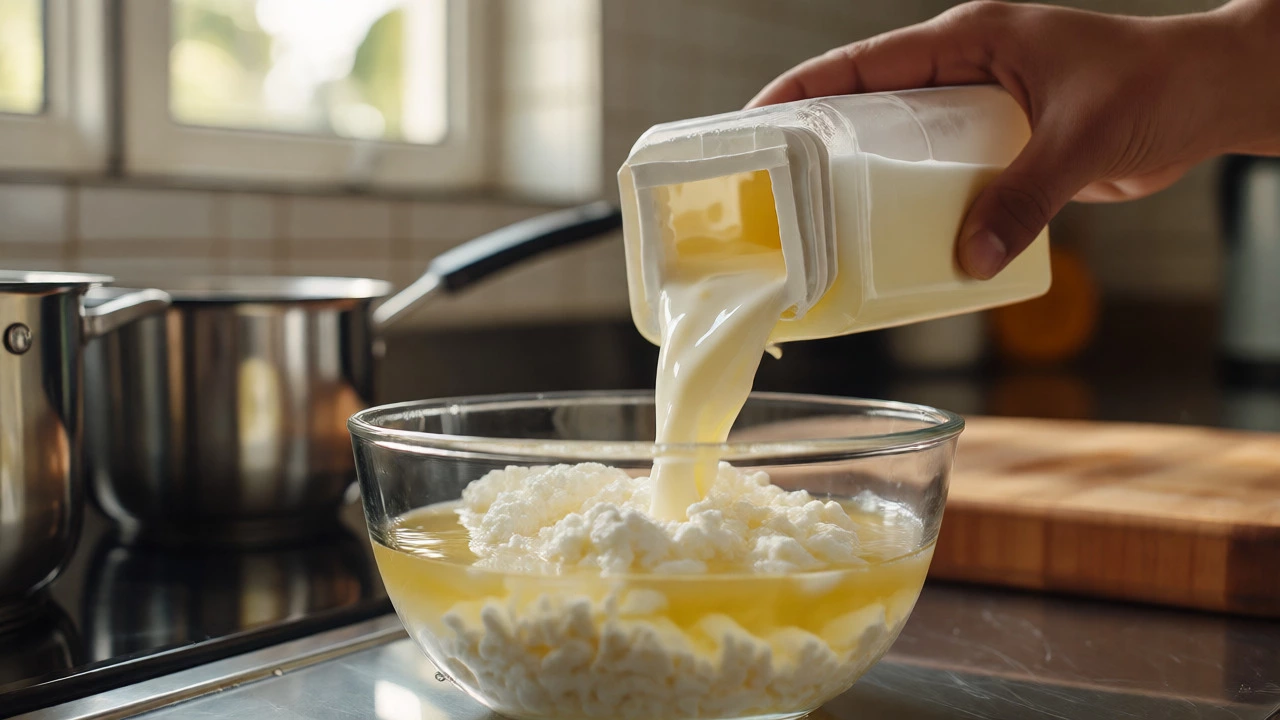
Learn if you can safely use spoiled milk to make homemade paneer. Discover the difference between sour and rotten milk, plus tips for texture and taste.
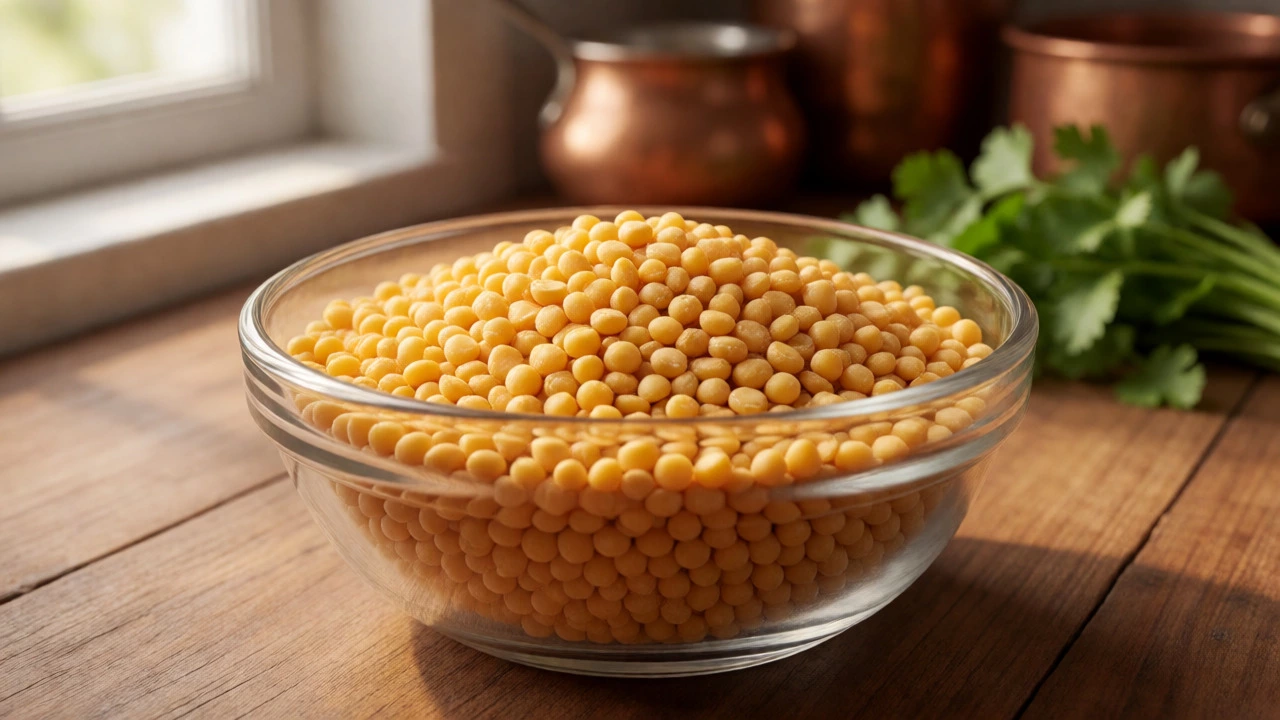
Learn exactly how long to soak different types of dal for perfect texture and digestion. Discover quick-soak hacks, water temperature tips, and common mistakes to avoid.
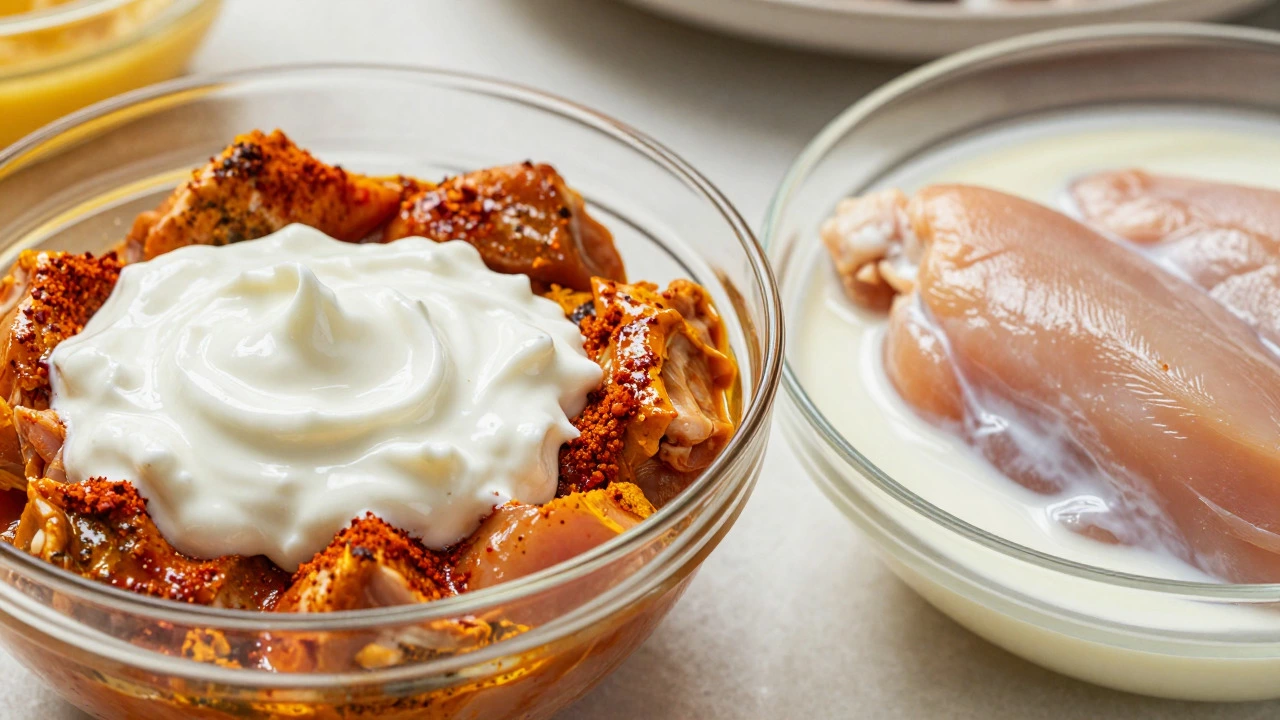
Discover whether buttermilk or yogurt makes better tandoori chicken. Learn the science behind tenderizing, browning, and flavor absorption to choose the right marinade for your next meal.
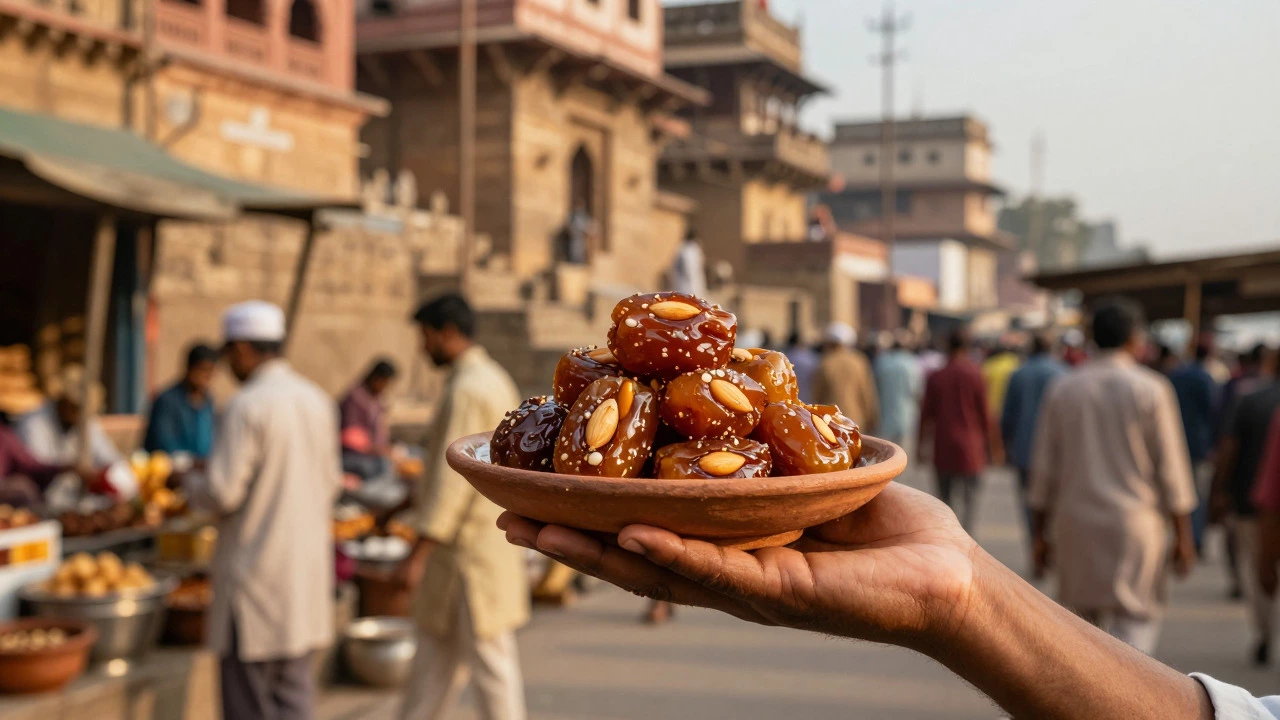
Discover the oldest known desserts of India, tracing back to ancient date-based treats and jaggery confections from thousands of years ago.
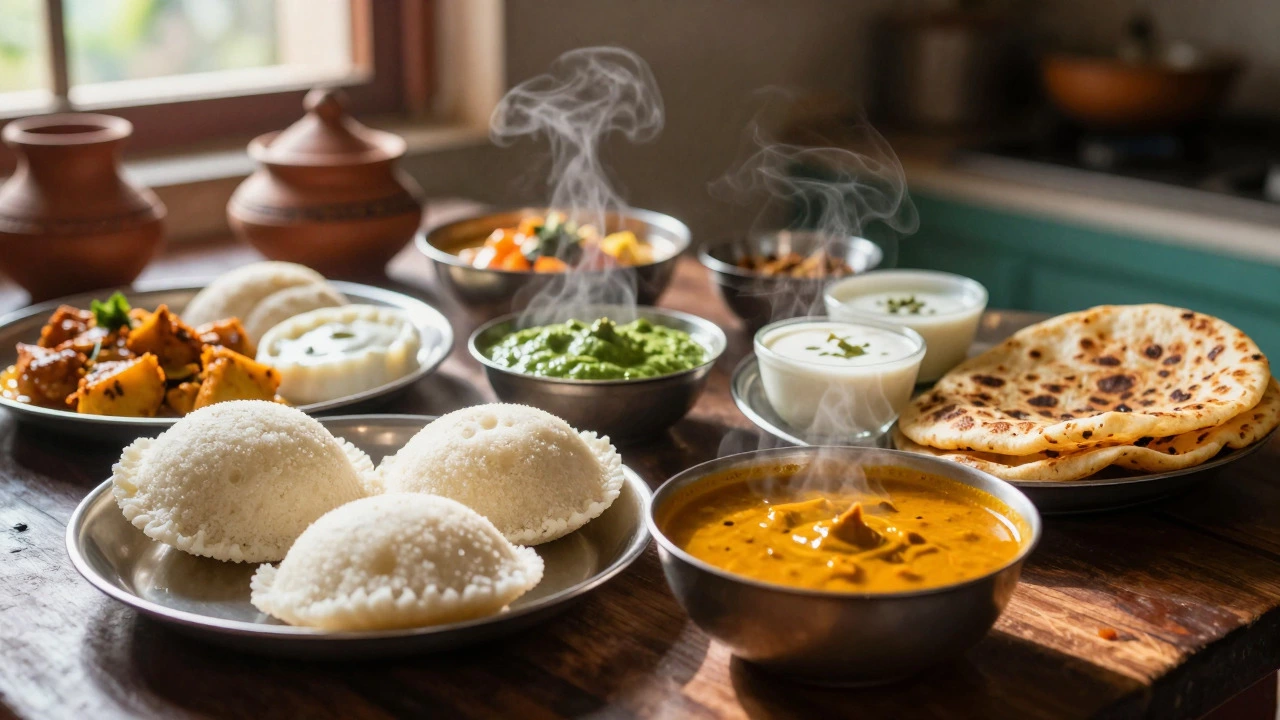
Discover the diverse world of Indian breakfasts, from northern parathas to southern dosas. Learn about regional variations, key ingredients, and easy recipes you can make at home.
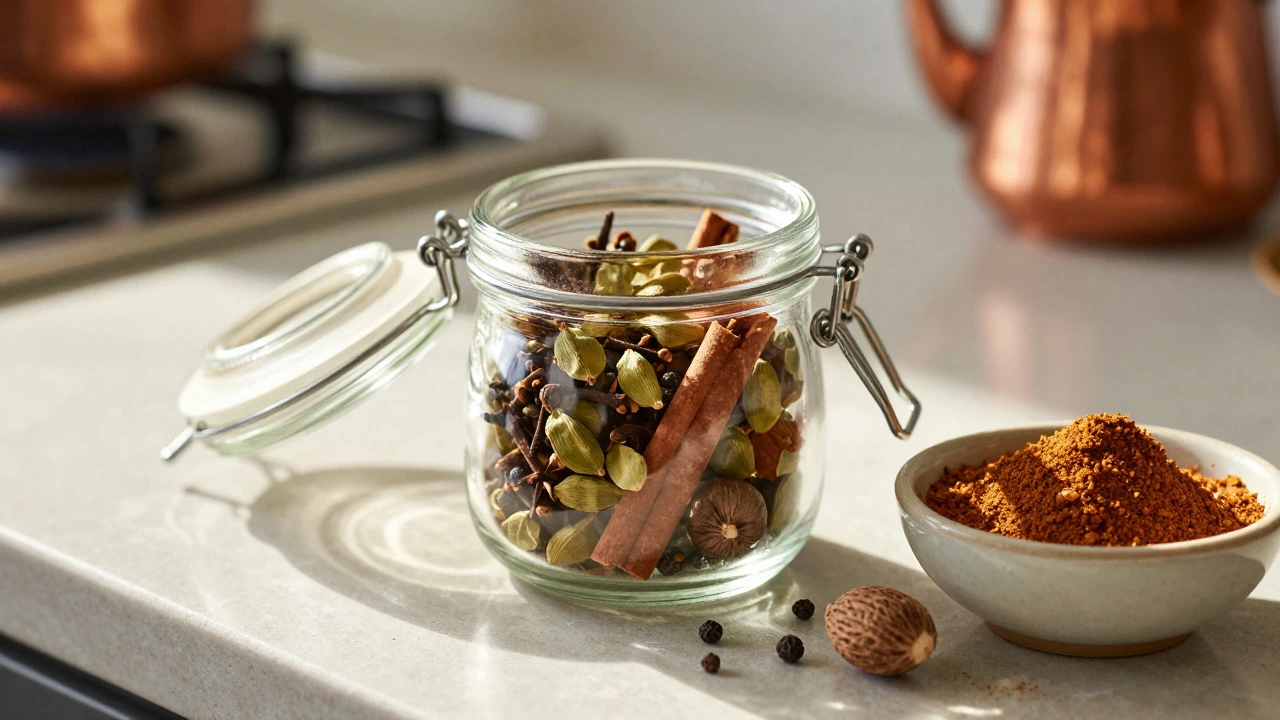
Discover the correct way to use garam masala in biryani. Learn the differences between Lucknowi and Hyderabadi styles, timing techniques, and why fresh grinding matters for authentic flavor.
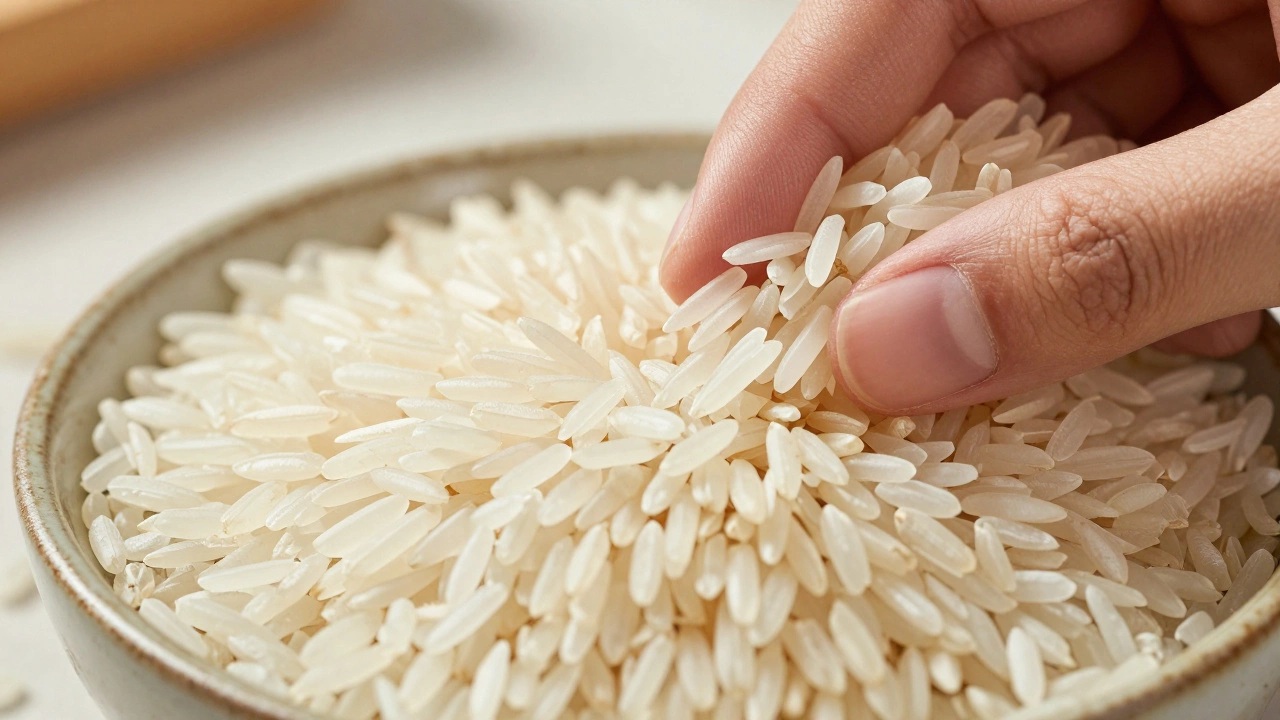
Avoid common biryani mistakes like using fresh rice, skipping soaking, or high-heat cooking. Learn expert tips for perfect texture and flavor.
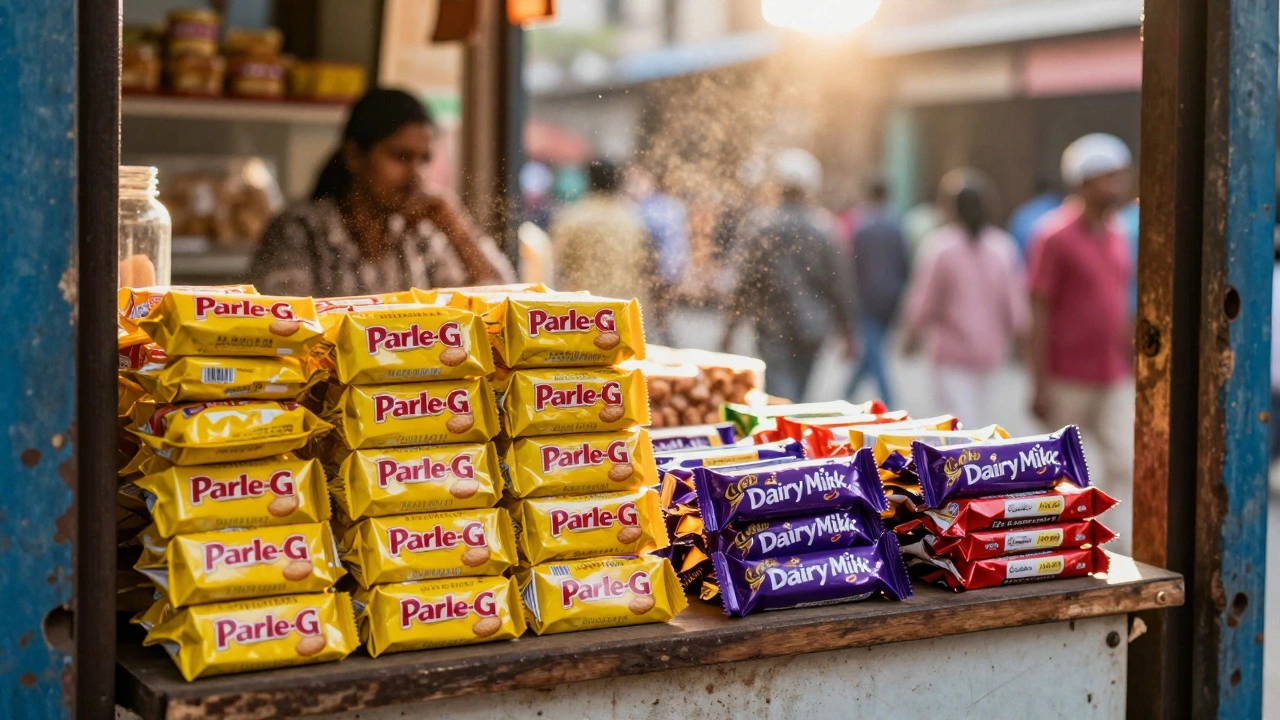
Discover the best-selling candy and sweets in India. From Parle-G biscuits to Cadbury Dairy Milk, explore the top brands dominating the Indian confectionery market.
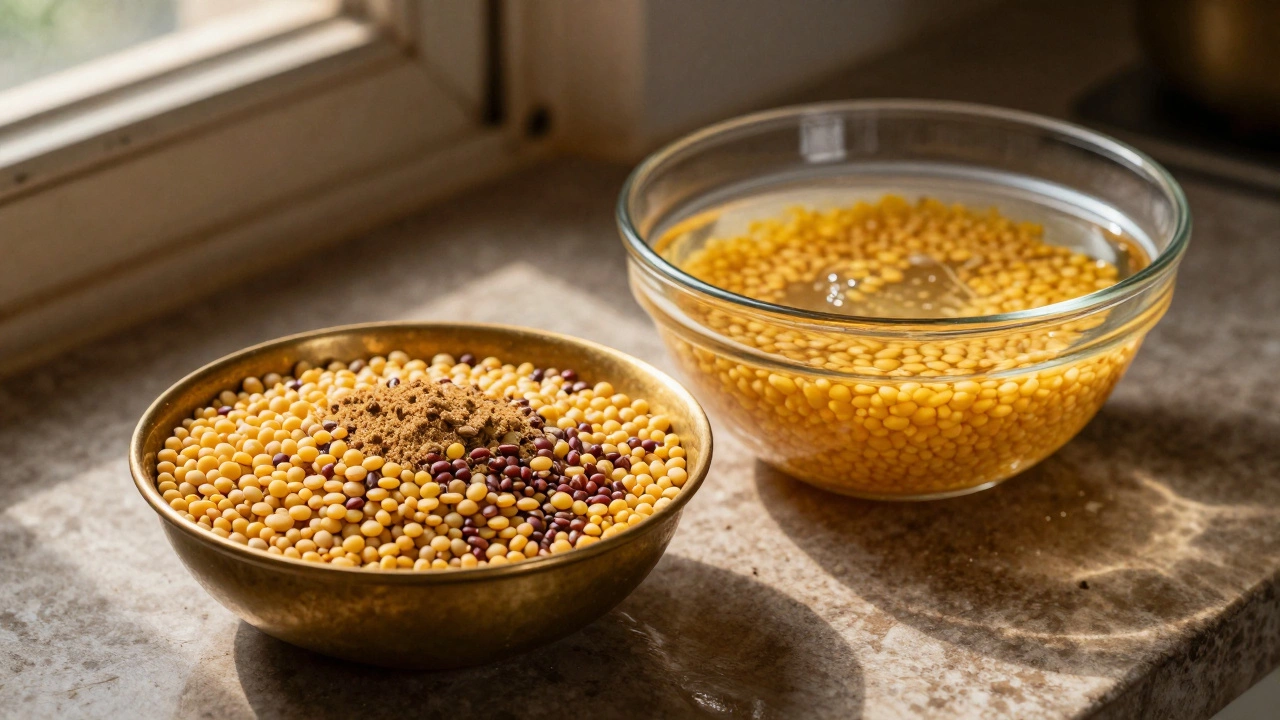
Discover what happens if you skip soaking dal: tougher texture, increased gas, and nutrient issues. Learn quick fixes and which lentils don't need soaking.
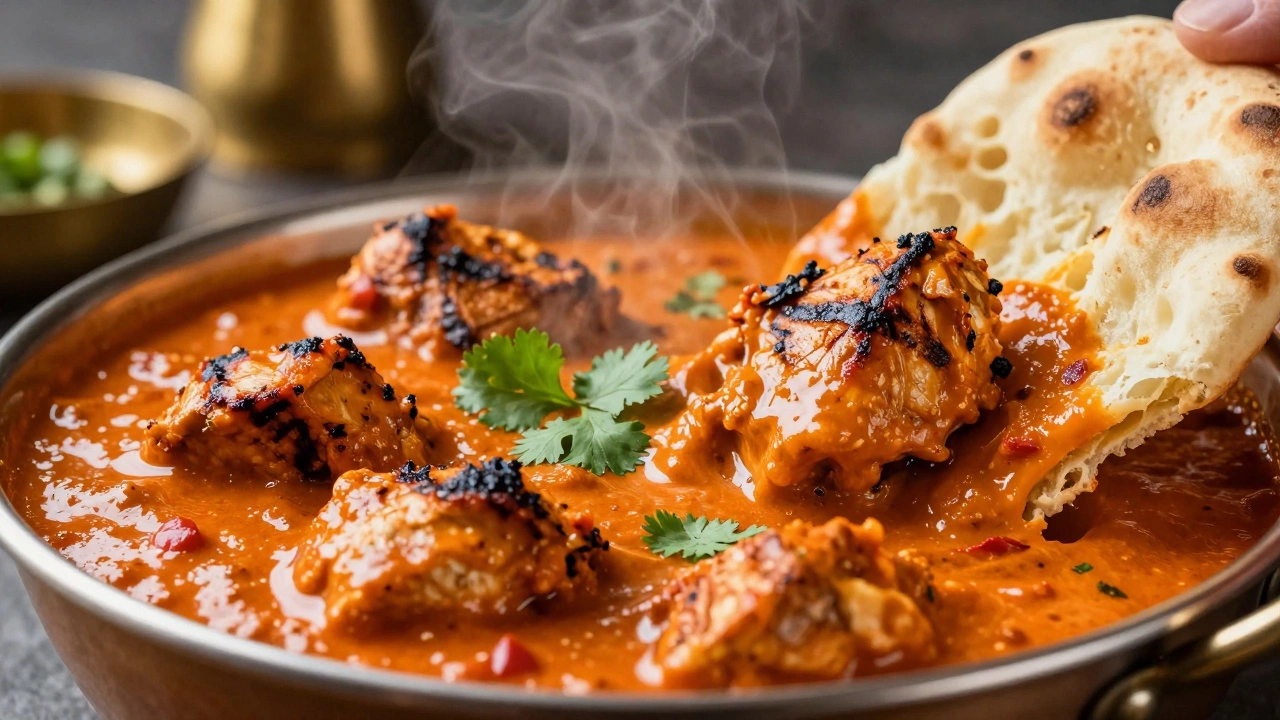
Confused by Indian menus? Discover the best Indian dishes for beginners, from creamy Chicken Tikka Masala to hearty Dal Makhani. Learn what to order based on your taste.
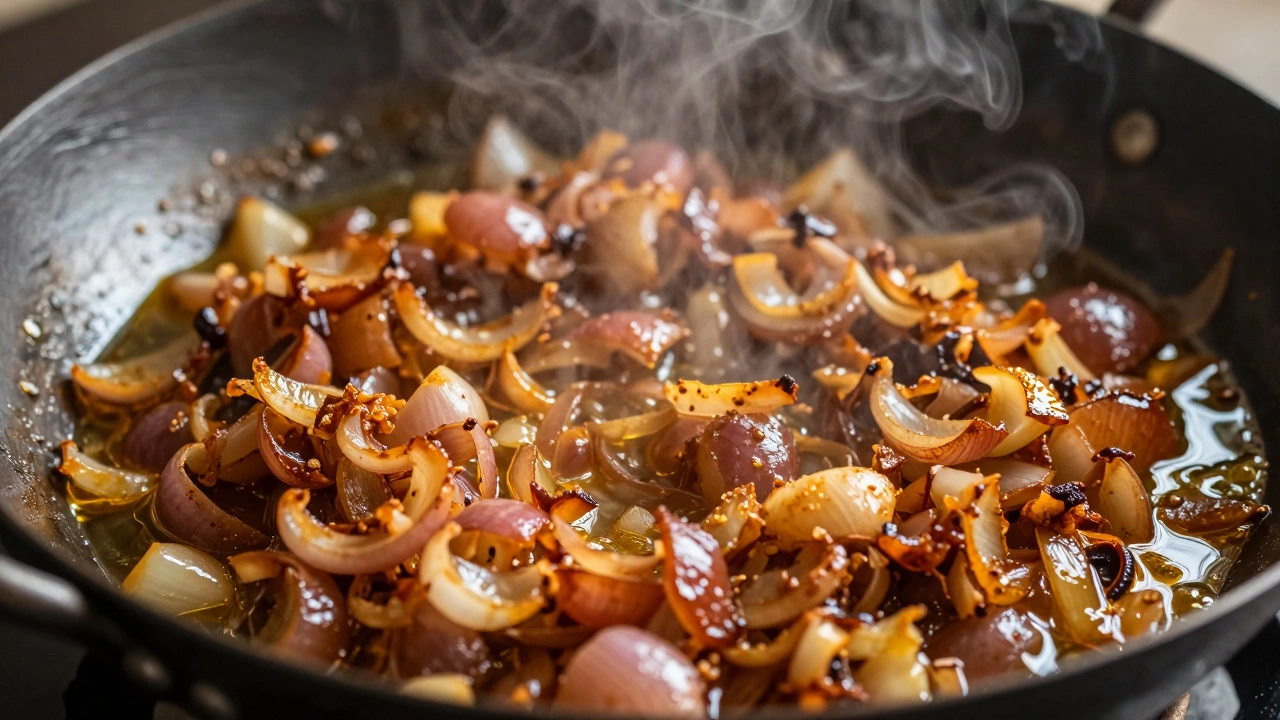
Discover the secrets to perfect chicken curry texture. Learn how onions, yogurt, cashews, and cornstarch work as natural thickeners for rich, restaurant-quality gravy.