What Is the India Triangle Snack? A Simple Guide to This Popular Healthy Indian Treat
India Triangle Snack Nutrition Calculator
Calculate the nutritional content for your favorite serving size. The India Triangle snack contains 5g protein and 3g fiber per 30g serving.
Why This Matters
This snack provides 5g of protein and 3g of fiber per 30g serving, making it a nutrient-dense alternative to processed snacks. Compared to potato chips (10g fat per serving), it's significantly healthier while still satisfying your crunch craving.
How It Compares
Have you ever seen a small, crispy, triangle-shaped snack at an Indian grocery store or street vendor and wondered what it was? That’s the India Triangle snack - a simple, crunchy, and surprisingly healthy bite that’s been passed down through generations in Indian households. It’s not fancy. It doesn’t come in flashy packaging. But if you’ve ever tried it, you know why it sticks around.
What Exactly Is the India Triangle Snack?
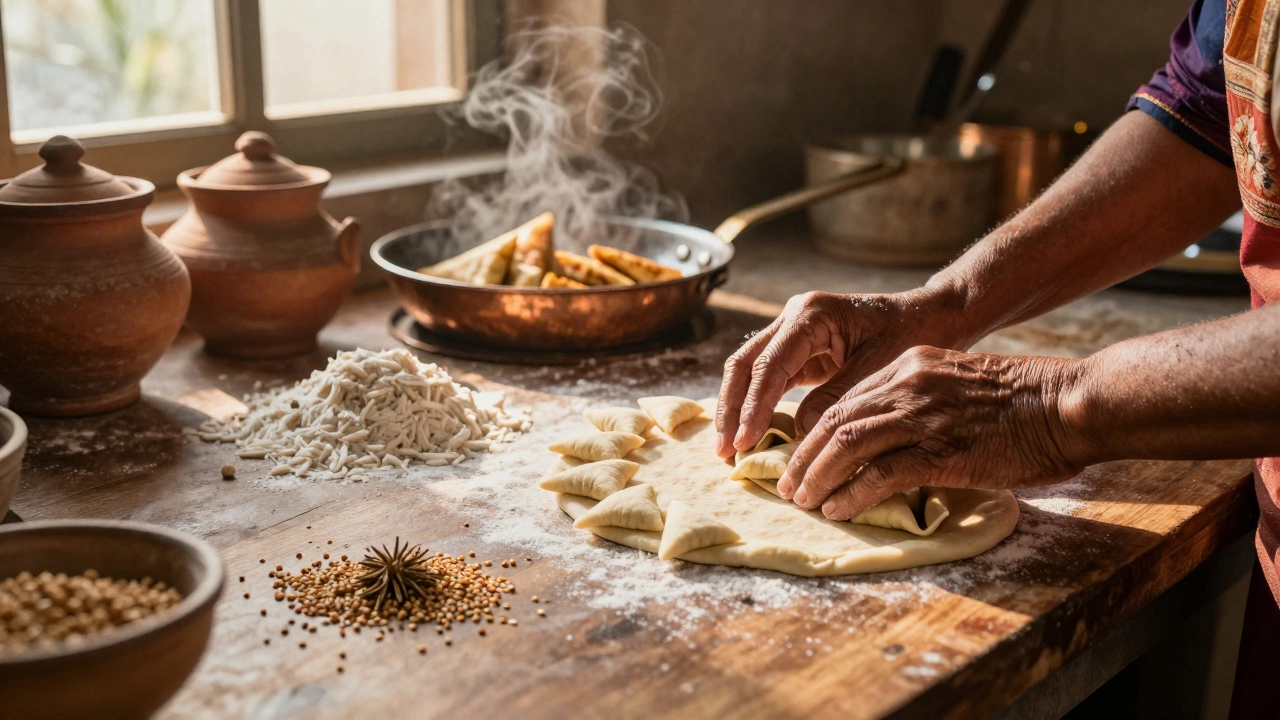
The India Triangle snack, often called triangle chakli or just triangle snack, is a deep-fried savory bite made from a dough of rice flour, chickpea flour (besan), sesame seeds, ajwain (carom seeds), and a pinch of salt. The dough is pressed through a mold or hand-rolled into thin ropes, then cut into small triangles before frying. The result? A light, airy crunch with a nutty, slightly spicy flavor.
It’s not a modern invention. This snack has roots in rural kitchens across Maharashtra, Gujarat, and parts of Karnataka. Grandmothers would make it in large batches during monsoon season or before festivals like Diwali - when fresh produce was scarce and preserved snacks were essential. Today, it’s still a go-to for parents looking for a healthier alternative to potato chips or packaged crackers.
Why It’s Considered a Healthy Snack
Let’s cut through the noise: not all Indian snacks are healthy. But the India Triangle snack stands out because of what it’s made from - and what it’s not made from.
- No refined flour - it uses rice flour and besan, both gluten-free and lower on the glycemic index than white flour.
- No added sugar - the flavor comes from spices, not sweeteners.
- No preservatives - homemade versions contain just five to seven ingredients.
- High in plant-based protein - chickpea flour gives it about 5 grams of protein per 30-gram serving.
- Rich in fiber - the combination of flours and seeds provides around 3 grams of fiber per serving.
Compare that to a typical bag of potato chips: 15 grams of carbs, 10 grams of fat, and almost no protein or fiber. The India Triangle snack doesn’t just taste good - it actually fuels your body better.
How It’s Made (The Simple Way)
You don’t need fancy equipment. Most families make this snack with just a bowl, a spoon, a frying pan, and a rolling pin.
- Mix 1 cup rice flour, ½ cup chickpea flour, 1 teaspoon ajwain, 1 teaspoon sesame seeds, and ½ teaspoon salt in a bowl.
- Add warm water, a tablespoon at a time, until the dough feels like playdough - firm but not sticky.
- Roll small portions into thin ropes, about the thickness of a pencil.
- Cut each rope into 1-inch pieces and press them gently into triangle shapes with your fingers or a fork.
- Heat oil in a deep pan until it shimmers (around 350°F).
- Fry in batches for 2-3 minutes until golden brown. Drain on paper towels.
That’s it. No deep fryer needed. No preservatives. No mystery ingredients. You can even bake them for a lower-fat version - just brush with a little oil and bake at 375°F for 15-20 minutes, flipping halfway.
How It Compares to Other Indian Snacks
It’s easy to confuse the India Triangle snack with other fried Indian treats. Here’s how it stacks up against three common ones:
| Snack | Main Ingredient | Protein per Serving | Fiber per Serving | Typical Fat Content |
|---|---|---|---|---|
| India Triangle Snack | Rice + Chickpea Flour | 5 g | 3 g | 8 g |
| Sev (Bhelpuri topping) | Chickpea Flour | 4 g | 2 g | 10 g |
| Mathri | Refined Flour + Ghee | 3 g | 1 g | 12 g |
| Papadum | Lentil Flour | 6 g | 4 g | 5 g |
As you can see, the India Triangle snack hits a sweet spot: more protein than mathri, less fat than sev, and similar fiber to papadum. It’s not the lowest-fat option, but it’s the most balanced for a snack you can eat without guilt.
When and How People Eat It
This snack isn’t just for snacking. It’s woven into daily life.
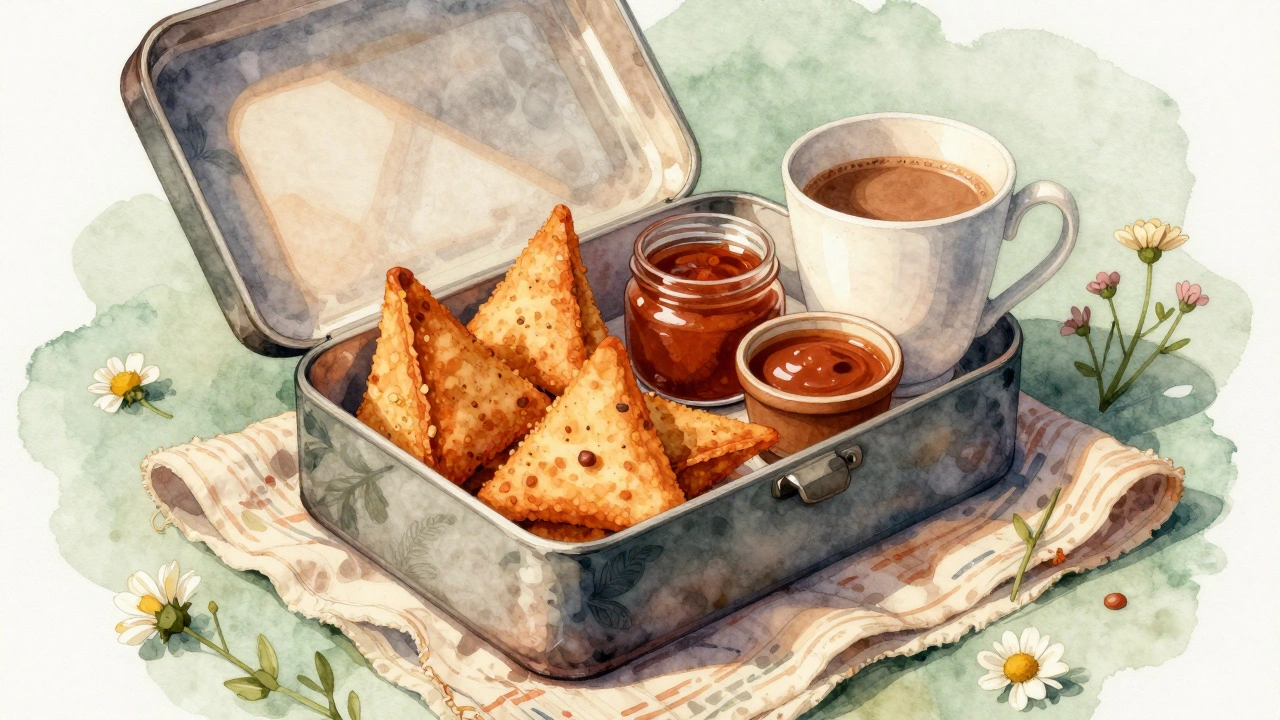
- As a mid-morning bite with chai - especially in rural homes where people don’t have time for a full breakfast.
- As a lunchbox treat for kids - no refrigeration needed, lasts for days.
- As a side to yogurt or chutney - the crunch balances the creaminess.
- As a gift during festivals - packed in paper cones or small tins.
Some families add a twist: a dash of chili powder, a sprinkle of grated coconut, or even a few crushed peanuts for extra texture. But the classic version - plain, crispy, and slightly savory - is what most people remember.
Where to Find It Today
If you’re outside India, you might struggle to find it in supermarkets. But it’s not hard to track down.
- Indian grocery stores often carry pre-made versions under brands like Shreeji, Shakti, or Shree Krishna. Look for the plain, unflavored triangles - not the masala or cheese versions.
- Online marketplaces like Amazon India or Flipkart sell bulk packs (200-500 grams) for under ₹150 ($2 USD).
- Many home cooks now sell homemade batches on Instagram or WhatsApp - just search “triangle snack homemade” in your city.
Pro tip: Check the ingredient list. If it says “hydrogenated oil” or “E621,” skip it. Stick to brands that list only flour, seeds, salt, and oil.
Why It’s Gaining Popularity Outside India
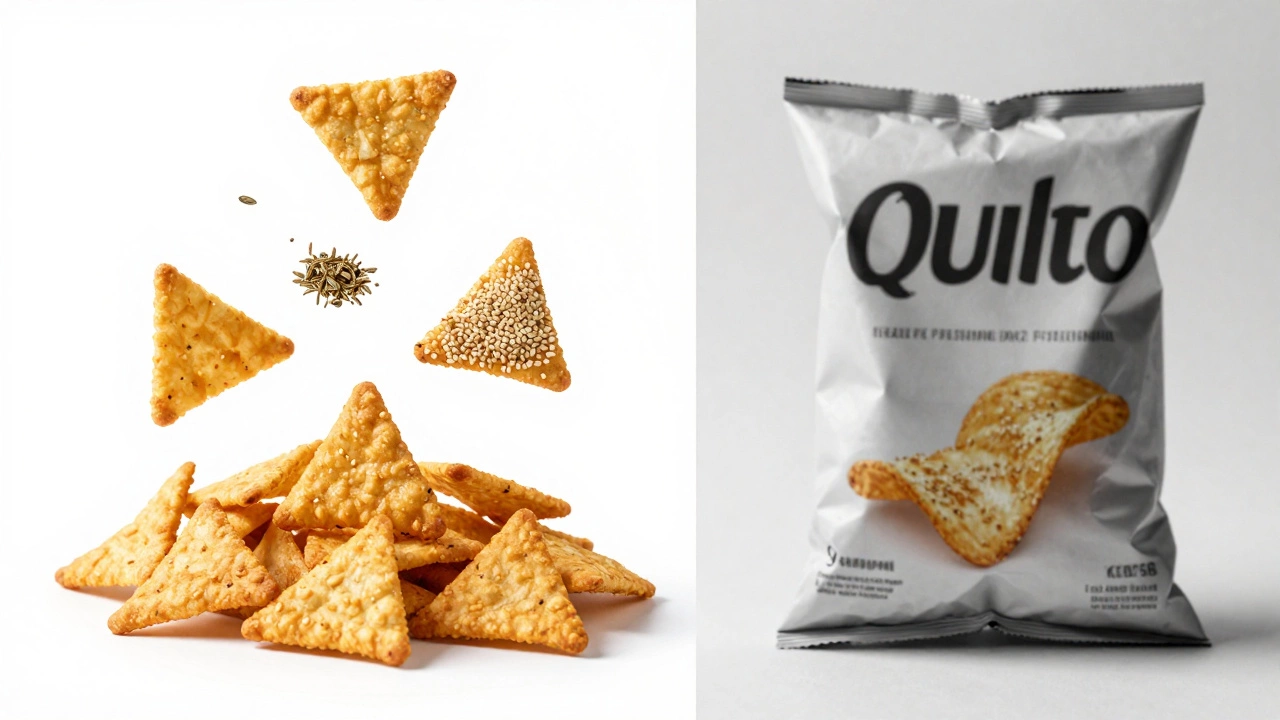
In the last five years, the India Triangle snack has quietly become a favorite among health-conscious snackers in the U.S., Canada, and the UK. Why?
- It fits keto and gluten-free diets - low carb, no gluten.
- It’s plant-based and vegan-friendly.
- It’s satisfyingly crunchy - no artificial crunch additives.
- It’s affordable. A 200-gram pack costs less than $3.
Food bloggers and nutritionists have started featuring it in “10 Healthy Snacks You Haven’t Tried” lists. One 2024 study from the Indian Journal of Nutrition found that regular consumers of this snack had better midday energy levels than those who ate sugary snacks.
How to Make It Your Own
Once you try the classic version, you’ll want to experiment. Here are a few easy twists:
- Add ½ teaspoon of ground cumin for an earthy kick.
- Swap half the rice flour for almond flour for extra crunch and healthy fats.
- Brush with olive oil before baking for a lighter version.
- Roll in flaxseed or chia seeds before frying for a fiber boost.
- Make mini triangles for kids - they’re easier to handle and less messy.
Store it in an airtight container. It stays crisp for up to two weeks. If it goes soft, pop it in a 300°F oven for 5 minutes - it’ll revive instantly.
Final Thoughts
The India Triangle snack isn’t flashy. It doesn’t have influencers promoting it. But it’s one of those rare foods that does exactly what a snack should: satisfy hunger, taste good, and leave you feeling okay afterward. It’s not a miracle food. But in a world full of processed snacks that promise health but deliver sugar and chemicals, it’s a quiet win.
If you’ve never tried it, grab a pack - or make it yourself. You might just find your new favorite snack.
Is the India Triangle snack gluten-free?
Yes, traditionally it is. The main ingredients - rice flour and chickpea flour - are naturally gluten-free. But always check store-bought versions for cross-contamination warnings if you have celiac disease.
Can I bake the India Triangle snack instead of frying it?
Absolutely. Baking works well. Brush the shaped triangles lightly with oil, place them on a parchment-lined baking sheet, and bake at 375°F for 15-20 minutes, flipping halfway. They’ll be less crispy than fried, but still tasty and much lower in fat.
How long does the India Triangle snack last?
When stored in an airtight container at room temperature, it lasts up to two weeks. If you notice it losing its crunch, reheat it in the oven at 300°F for 5 minutes. It’ll snap right back.
Is the India Triangle snack suitable for diabetics?
Yes, in moderation. Because it’s made with whole flours and no added sugar, it has a low glycemic index. A small portion (about 20 grams) won’t spike blood sugar like chips or cookies. Pair it with protein, like yogurt or nuts, to balance it further.
Where did the India Triangle snack originate?
It’s believed to have originated in the rural kitchens of Maharashtra and Gujarat in western India. These regions have long traditions of using rice and chickpea flour for preserved snacks. The triangle shape likely came from how people cut the dough by hand - it was easy, fast, and used up scraps.