Food & Cooking: Essential Techniques, Safe Practices, and Authentic Recipes
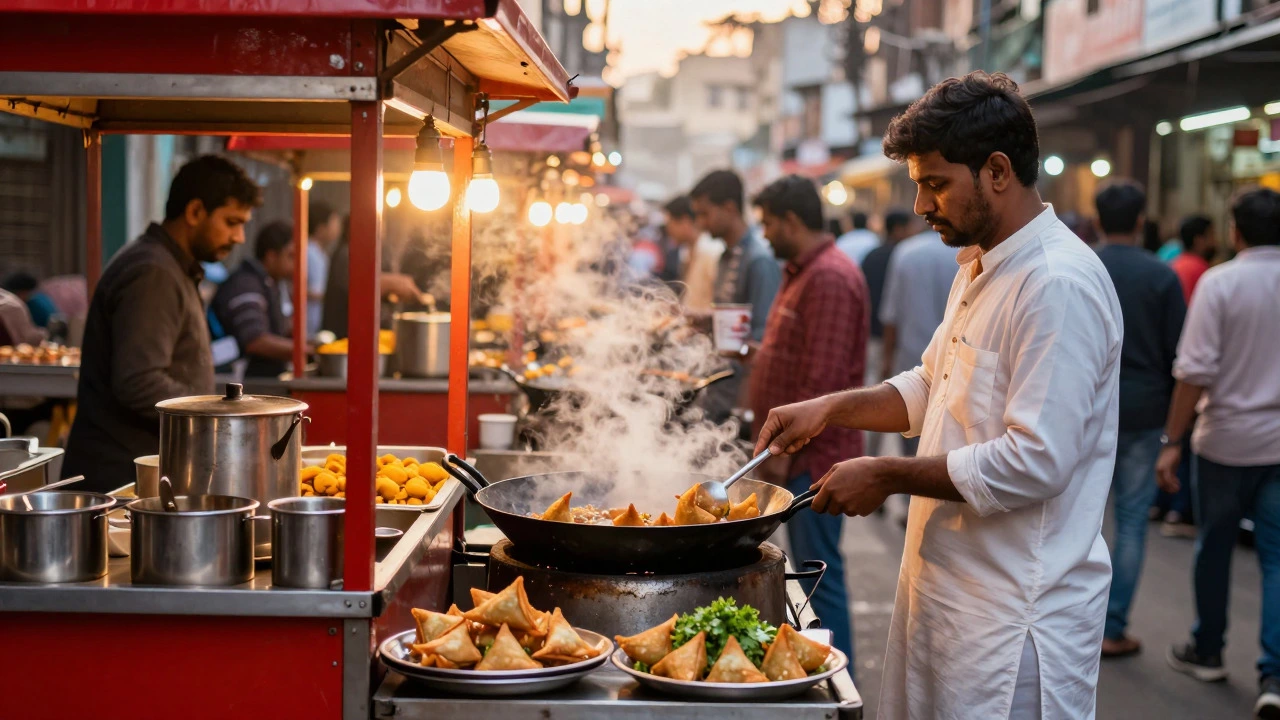
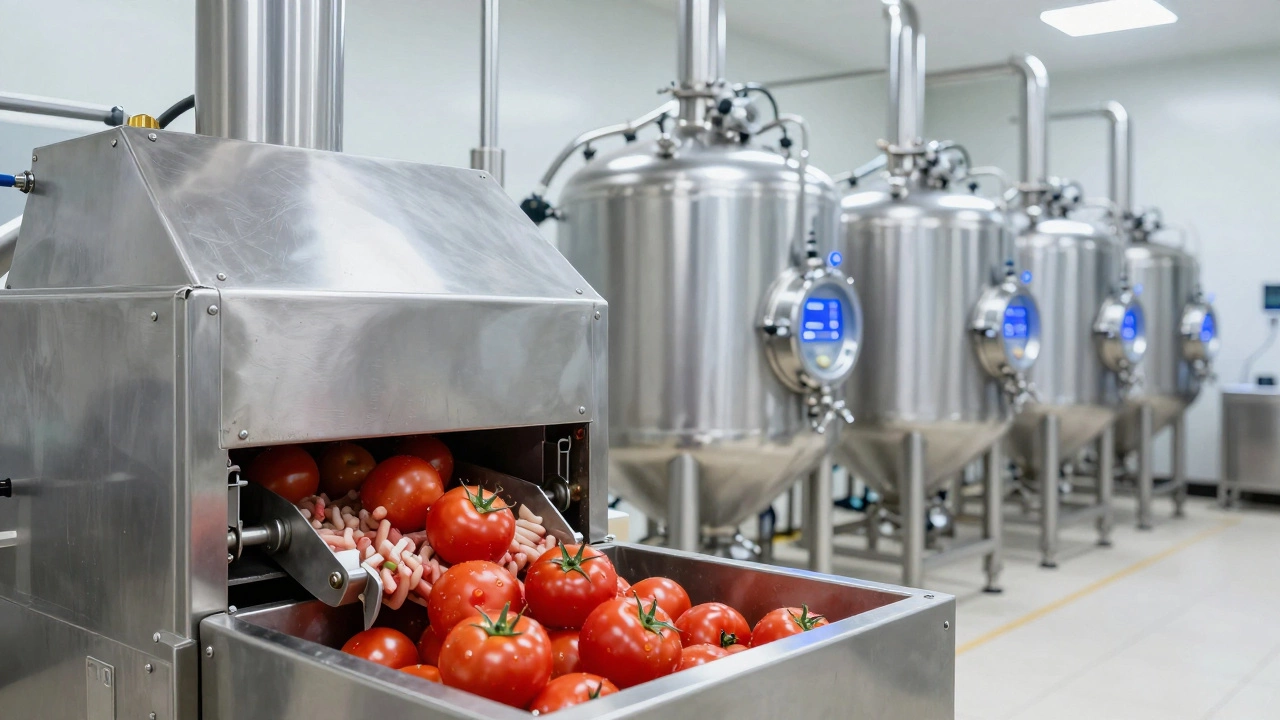
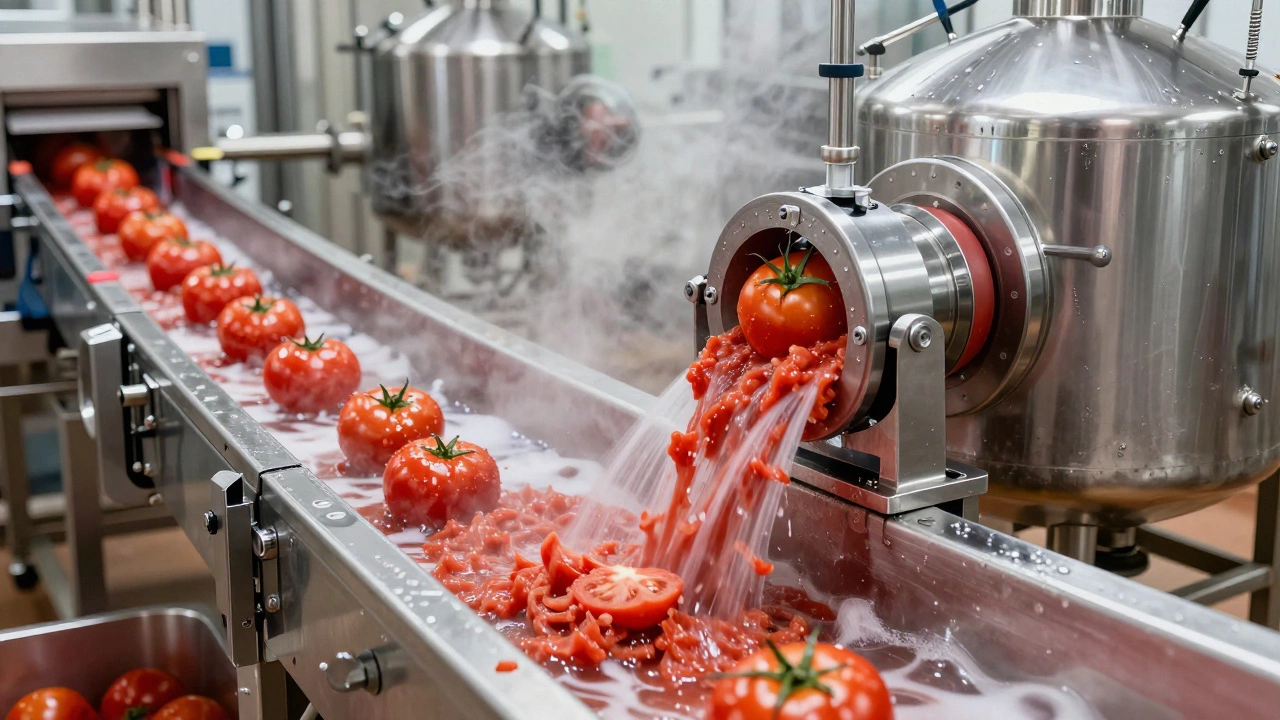
When you think about food & cooking, the daily practice of preparing and enjoying meals using cultural methods, local ingredients, and practical skills. Also known as culinary arts, it’s not just about recipes—it’s about understanding how food behaves, how to make it safe, and how to bring out its best flavor. In India, this means more than just tossing spices into a pot. It’s knowing why your paneer turns rubbery, why chicken stays pink even after cooking, or how to pick tomatoes that won’t make you sick. These aren’t random quirks—they’re part of a system built on food processing, the series of physical and chemical steps used to turn raw ingredients into safe, shelf-stable, and consistent food products. From pasteurizing milk to drying fruits, these unit operations are the invisible backbone of every packaged snack, ready-to-eat meal, and even your homemade curry.
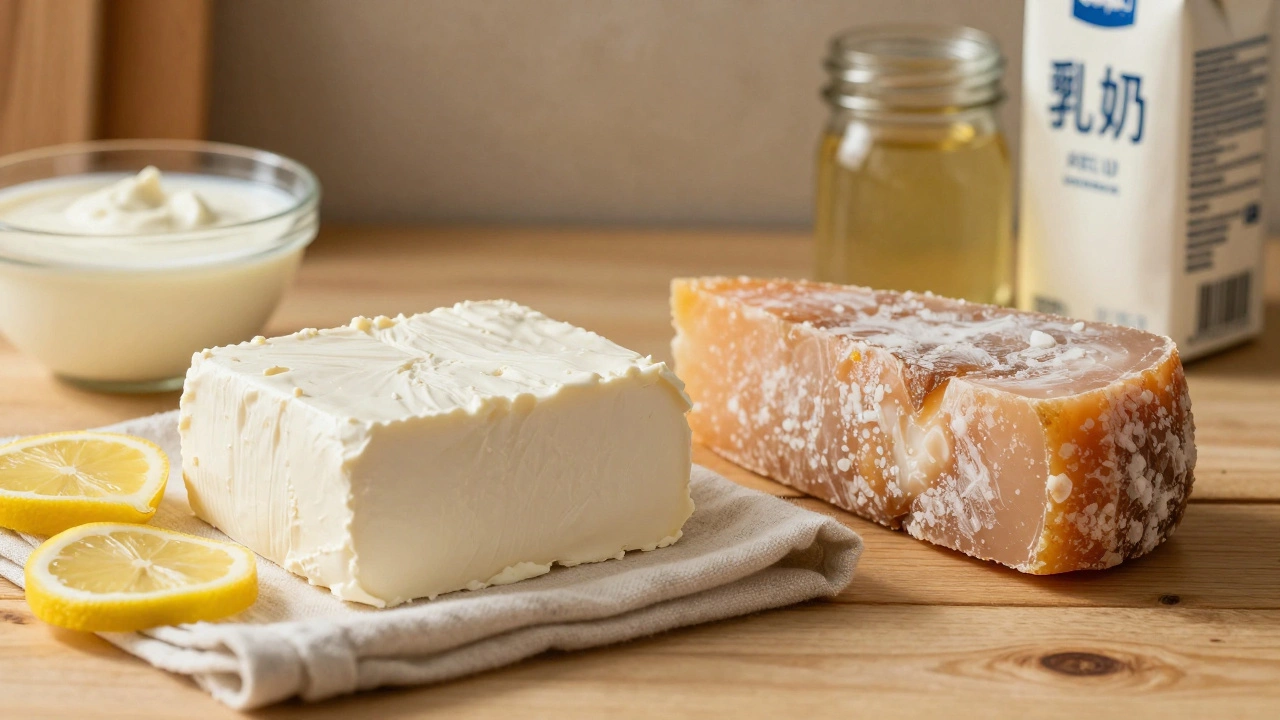
Behind every great dish is a chain of decisions. Making perfect paneer, a fresh, non-melting Indian cheese made by curdling milk with acid isn’t just about boiling milk—it’s about temperature control, acid type, and draining time. Get one step wrong, and you’re left with crumbly, dry cheese instead of soft, creamy cubes. Same goes for chicken curry, a spiced stew made with chicken, onions, tomatoes, and aromatic spices, common across South Asia. The difference between a good curry and a great one isn’t just the recipe—it’s how long you brown the onions, when you add the tomatoes, and whether your spices were fresh or stale. And then there’s biryani, a layered rice dish with meat, spices, and saffron, varying widely by region in India and beyond. One region slow-cooks it for hours; another uses the dum method to trap steam. Both work—but only if you know the why behind each step.
It’s not all about flavor. Safety matters too. You can’t enjoy biryani if your tomatoes are loaded with pesticides, or chicken that looks pink but isn’t safe to eat. That’s why understanding food safety, the practices and standards used to prevent foodborne illness from contamination, improper storage, or undercooking is just as important as knowing how to cook. Whether you’re a home cook or a traveler, knowing which foods to avoid, how to wash produce, or how to check if meat is truly done can save you from a week in bed. This isn’t fear—it’s smart cooking.
What you’ll find below isn’t just a list of articles. It’s a toolkit. Whether you’re trying to fix your paneer, figure out why your chicken won’t turn white, or pick the best biryani to make for guests, each post gives you clear, no-fluff answers. No theory. No jargon. Just what works—and what doesn’t—based on real experience and science. You’ll learn how to cook better, eat safer, and understand the food you’re putting on your table.