Where to Find Chutney in the Grocery Store: Aisle Guide & Tips
Chutney Aisle Finder
Select the type of store you are visiting to find exactly where the chutney is located.
Large Supermarket
e.g., Tesco, Sainsbury's, Walmart
Discount Store
e.g., Aldi, Lidl
Gourmet Market
e.g., Waitrose, Whole Foods
Asian Grocery
Specialty Ethnic Stores
Primary Location
Secondary Location
Brands to Look For
Pro Tip
You stand in the middle of a supermarket aisle, staring at jars of pickles and relishes, wondering if you’re looking at the right thing. You need chutney for tonight’s curry or sandwich, but the label isn’t clear, or worse, you can’t find it anywhere near the spices. It’s a common frustration. Chutney is versatile, but its placement in stores varies wildly depending on where you live and what type of shop you are visiting.
If you have been wandering the aisles for five minutes without luck, stop guessing. The location usually depends on whether you are looking for a sweet fruit preserve or a fresh herb dip. Here is exactly where to look, why it might be in three different places, and how to spot the good stuff quickly.
The International Foods Aisle: Your Best Bet
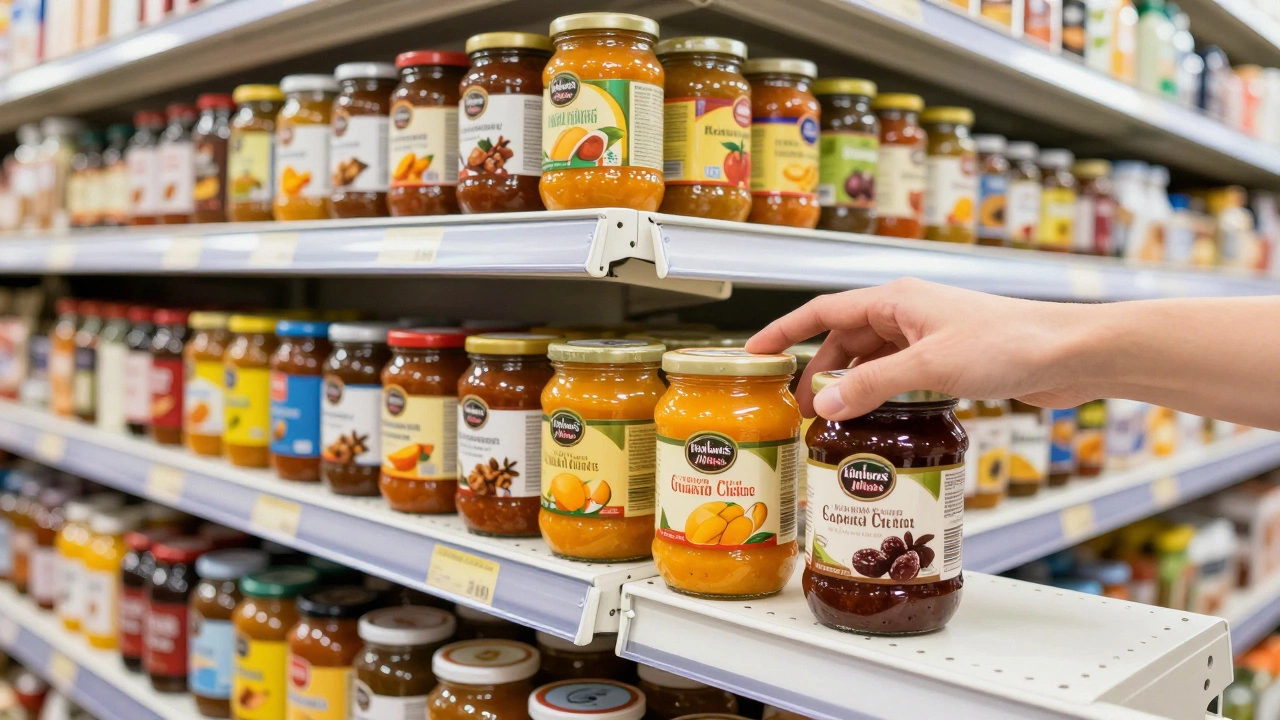
In most large supermarkets in the UK and US, your first stop should be the international foods section. Specifically, look for the South Asian or Indian food aisle. This is where manufacturers like Patak’s, Kitchens of India, and MDH stock their products. These brands dominate the shelf space because they produce chutneys that cater to both traditional cooking and Western palates.
Within this aisle, you will typically see two main types:
- Sweet Mango Chutney is a thick, tangy-sweet condiment made from cooked mangoes, vinegar, sugar, and spices like ginger and chili. It looks similar to apple sauce or cranberry sauce but has a distinct golden-orange hue. This is the standard accompaniment for cheese boards, chicken tikka masala, and grilled meats.
- Tamarind Date Chutney is a dark, sticky sauce with a complex balance of sour tamarind and sweet dates. You will find this next to samosa dipping sauces. It is darker brown and much thicker than mango chutney.
Check the expiration dates here carefully. Because these are shelf-stable goods packed in glass jars, they often sit for months. If you are buying a jar that costs £1.50 to £3.00, you want one that will last you a while after opening, not one that expires next month.
The Condiments and Pickles Section
If your local store does not have a dedicated international aisle, or if you are shopping at a smaller convenience store, check the condiments section. This is usually located near the ketchup, mustard, and mayonnaise. In many British supermarkets, chutney is grouped with pickles and relishes because it serves a similar culinary function: adding acidity and sweetness to savory dishes.
Look for brands like Branston or Piccadilly. While Branston is famous for pickle, they also produce chutney varieties. You might find "Chutney Relish" or "Fruit Chutney" tucked behind the whole grain mustards. These versions are often milder and sweeter, designed to pair with cold cuts and cheese rather than spicy curries.
| Store Type | Primary Location | Secondary Location | Typical Brands |
|---|---|---|---|
| Large Supermarket (e.g., Tesco, Sainsbury's) | International/Aisa Foods Aisle | Pickles & Relishes | Patak's, Kitchens of India |
| Discount Store (e.g., Aldi, Lidl) | Condiments/Mustard Aisle | Special Buys Endcap | Private Label, Imported Gems |
| Gourmet Market (e.g., Waitrose, Whole Foods) | Artisanal Preserves Section | Cheese Counter Adjacent | Small-batch, Organic brands |
| Asian Grocery Store | Spice & Sauce Aisle | Fresh Produce (for herbs) | Local regional brands |
Frozen Aisles and Fresh Herbs
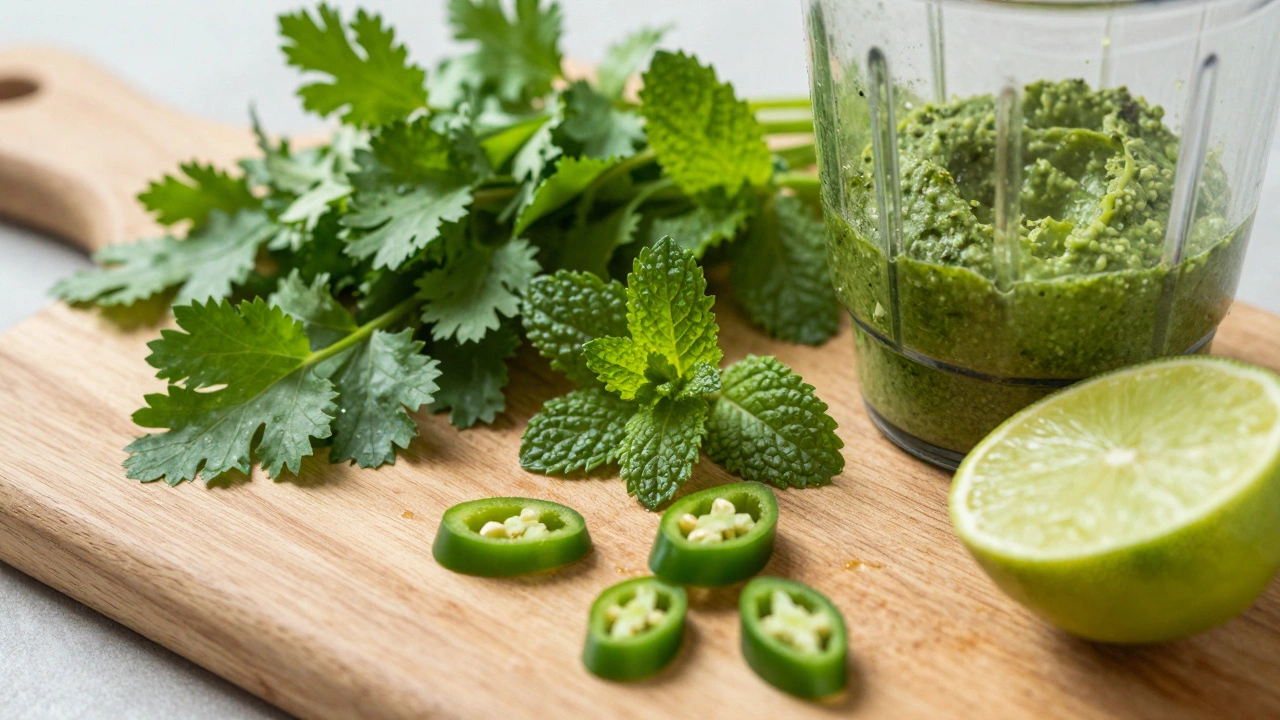
Here is where things get tricky. In Indian cuisine, the word "chutney" refers to two very different things. There is the preserved, jarred fruit condiment we discussed above. But there is also Green Chutney is a fresh, uncooked paste made from cilantro, green chilies, mint, lemon juice, and salt. This version is never found in a glass jar in the pantry aisle. It is perishable.
If your recipe calls for green chutney, you have two options:
- The Frozen Aisle: Look near the frozen peas and corn, or better yet, in the frozen ethnic foods section. Brands like Birds Eye or specialized Indian frozen food lines sell tubs of pre-made green chutney. It tastes surprisingly fresh because it was blended and flash-frozen shortly after production.
- The Fresh Herb Section: If you cannot find frozen chutney, buy fresh coriander (cilantro) and mint leaves. You can make a batch in two minutes using a blender. This is often cheaper and significantly tastier than the frozen alternative.
Do not confuse green chutney with salsa. While both are fresh and green, chutney relies heavily on cilantro and lime, whereas salsa uses tomatoes and onions. They are not interchangeable in recipes.
Gourmet and Cheese Counters
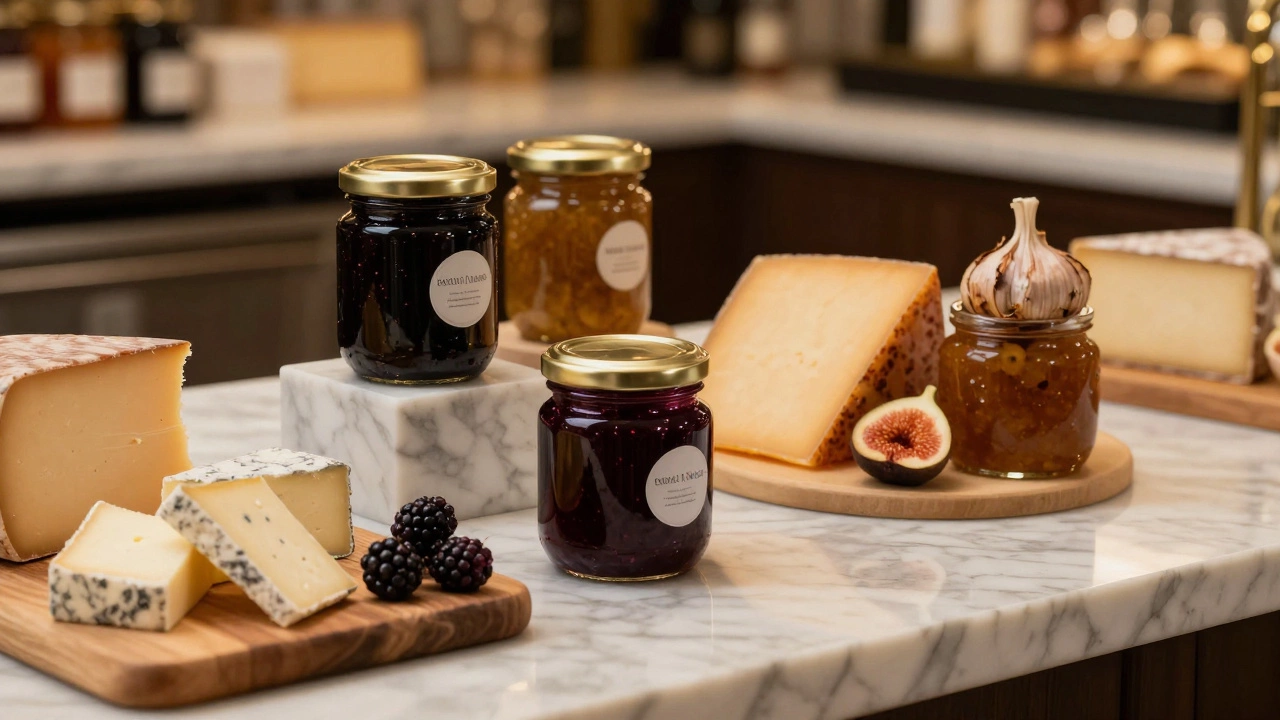
If you are shopping at a high-end grocer or a specialty food market, walk past the mass-produced shelves and head to the deli or cheese counter. Many artisanal producers sell small-batch chutneys in reusable jars. These are often labeled as "preserves" or "fruit sauces" rather than just chutney.
Look for unique flavor profiles here, such as blackberry chutney, fig and balsamic chutney, or even roasted garlic chutney. These are priced higher-often £4.00 to £6.00 per jar-but they use real fruit and less sugar. They are perfect for holiday entertaining or pairing with sharp cheddar and goat cheese. Ask the staff behind the counter; they can often point you to the best seasonal option.
Online Retailers and Subscription Boxes
If your local store is consistently out of stock or lacks variety, online retailers are a reliable backup. Amazon, Ocado, and specialist Indian grocery websites like Indiamart or Apna Bazaar offer a wider selection. You can find rare varieties like coconut chutney powder (which you mix with water) or spicy tomato chutney.
Buying online allows you to read reviews. Look for comments about texture and sweetness level. Some users prefer a chunky chutney for sandwiches, while others want a smooth consistency for drizzling over yogurt. Reading these details helps you avoid purchasing a jar that doesn’t fit your cooking style.
How to Identify Quality Chutney
Not all chutneys are created equal. When you pick up a jar, flip it over and check the ingredient list. High-quality chutney should have recognizable ingredients. Avoid products where the first three ingredients are sugar, water, and modified starch. Instead, look for fruit (mango, apple, plum) listed first, followed by vinegar and spices.
Also, consider the sodium content. Some commercial chutneys are quite salty, especially those marketed as dipping sauces for snacks. If you are using it as a side dish for a meal, opt for a lower-sodium version. Finally, check the color. Natural mango chutney should be orange or yellow, not bright neon red, which indicates artificial coloring.
Troubleshooting: What If You Can't Find It?
If you are stuck in a store with no international aisle and no chutney in sight, do not panic. You can substitute other condiments depending on the dish:
- For Sweet/Savory Balance: Use apricot jam mixed with a splash of soy sauce and a pinch of cayenne pepper. This mimics the flavor profile of mango chutney well enough for chicken dishes.
- For Tangy Dipping: Use tamarind paste diluted with water and a little sugar. This approximates the sourness of date-tamarind chutney.
- For Fresh Heat: Blend fresh parsley, lemon juice, and garlic if you are missing green chutney. It won’t taste identical, but it provides the necessary freshness and acid.
Knowing where to look saves time and ensures you get the right product for your meal. Whether you need a jar of sweet mango chutney for a cheese board or a tub of green chutney for dosas, understanding the store layout makes shopping effortless.
What aisle is chutney in at Tesco or Sainsbury's?
In major UK supermarkets like Tesco and Sainsbury's, chutney is primarily located in the "World Foods" or "Asian Foods" aisle. Look for sections labeled "Indian" or "South Asian." If you cannot find it there, check the pickles and relishes section near the condiments.
Is chutney the same as relish?
No, they are different. Relish is typically made from chopped vegetables like cucumbers or peppers, pickled in vinegar. Chutney is an Indian condiment that can be sweet (fruit-based) or savory (herb-based). While they serve similar purposes, their flavor profiles and ingredients differ significantly.
Can I find chutney in the baking aisle?
Generally, no. Chutney is a condiment, not a baking ingredient. However, some specialty stores might place fruit preserves near jams and jellies, which are sometimes adjacent to baking supplies. Stick to the international foods or condiment aisles for better results.
Why is my chutney so sweet?
Most commercially available mango chutneys are formulated to appeal to Western tastes, which prefer a sweeter profile. Traditional Indian chutneys vary widely in sweetness. If you prefer less sugar, look for "low sugar" labels or try making fresh green chutney at home.
Does chutney need to be refrigerated?
Unopened jars of shelf-stable chutney do not need refrigeration. Once opened, however, you should refrigerate them to maintain freshness and prevent spoilage. Most jars will state "refrigerate after opening" on the label. Fresh green chutney must always be kept in the fridge and consumed within a few days.