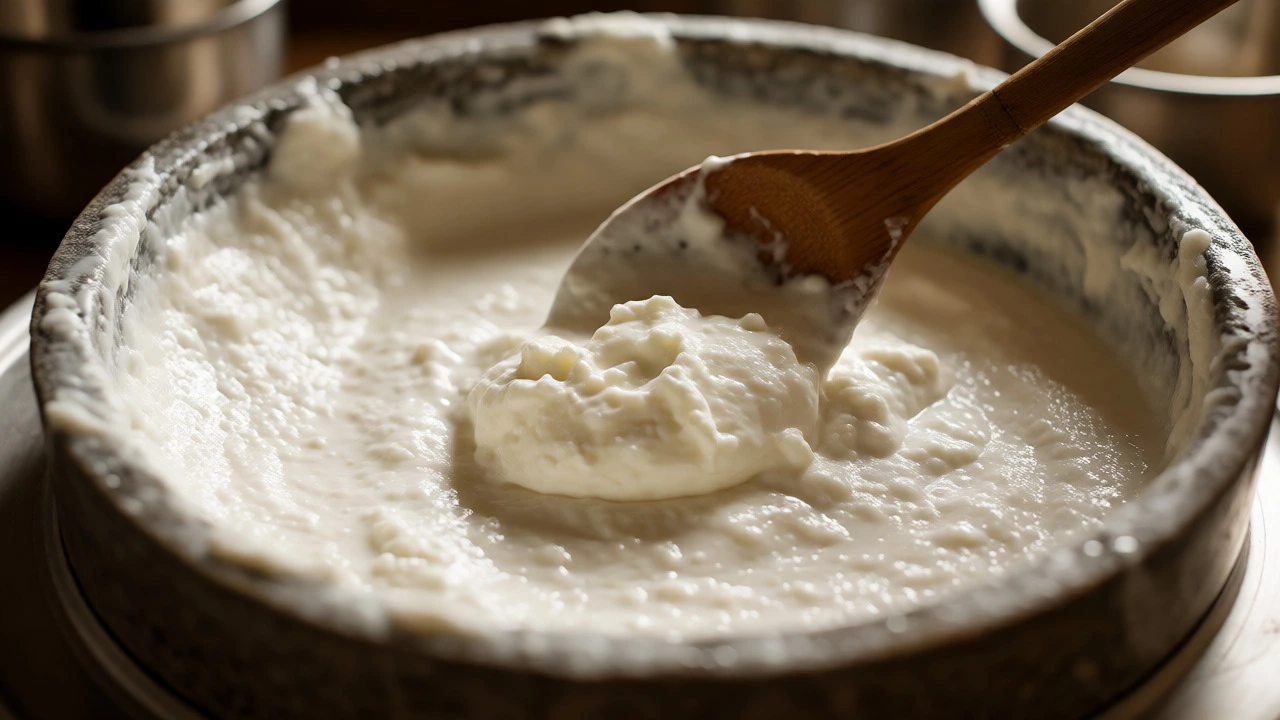
Why Add Curd to Dosa Batter? Science & Benefits
Discover why curd is essential in dosa batter. Learn how Lactobacillus boosts fermentation, improves texture, and balances flavor for perfect homemade dosas.
When you buy packaged Indian snacks, yogurt, or ready-to-eat meals, you're seeing the result of food manufacturing, the industrial process of turning raw ingredients into safe, consistent, shelf-stable food products. Also known as food processing, it includes steps like pasteurization, drying, and packaging—each one a unit operation, a standardized physical step used to change food texture, remove moisture, or kill bacteria. These aren’t just factory tricks—they’re the same principles behind making paneer, a fresh Indian cheese made by curdling milk with acid at home.
What makes Indian food manufacturing unique is how deeply it ties to daily life. From the slow-cooked biryani, a layered rice dish where steam and spice balance define perfection in homes across the country, to the precise soaking times for urad dal, a key ingredient in dosa batter that needs just the right soak to ferment properly, food isn’t just made—it’s understood. This site brings together the science of production and the soul of tradition, showing you how factory methods and kitchen wisdom overlap.
You’ll find real guides on how to fix rubbery paneer, why roti doesn’t need baking powder, and what chemicals actually drive India’s food supply chain. No fluff. Just what works.
Discover why curd is essential in dosa batter. Learn how Lactobacillus boosts fermentation, improves texture, and balances flavor for perfect homemade dosas.

Discover who currently holds the title of America's biggest steel company. Learn how Nucor Corporation surpassed traditional giants using electric arc furnace technology and how Cleveland-Cliffs challenges them in the automotive sector.
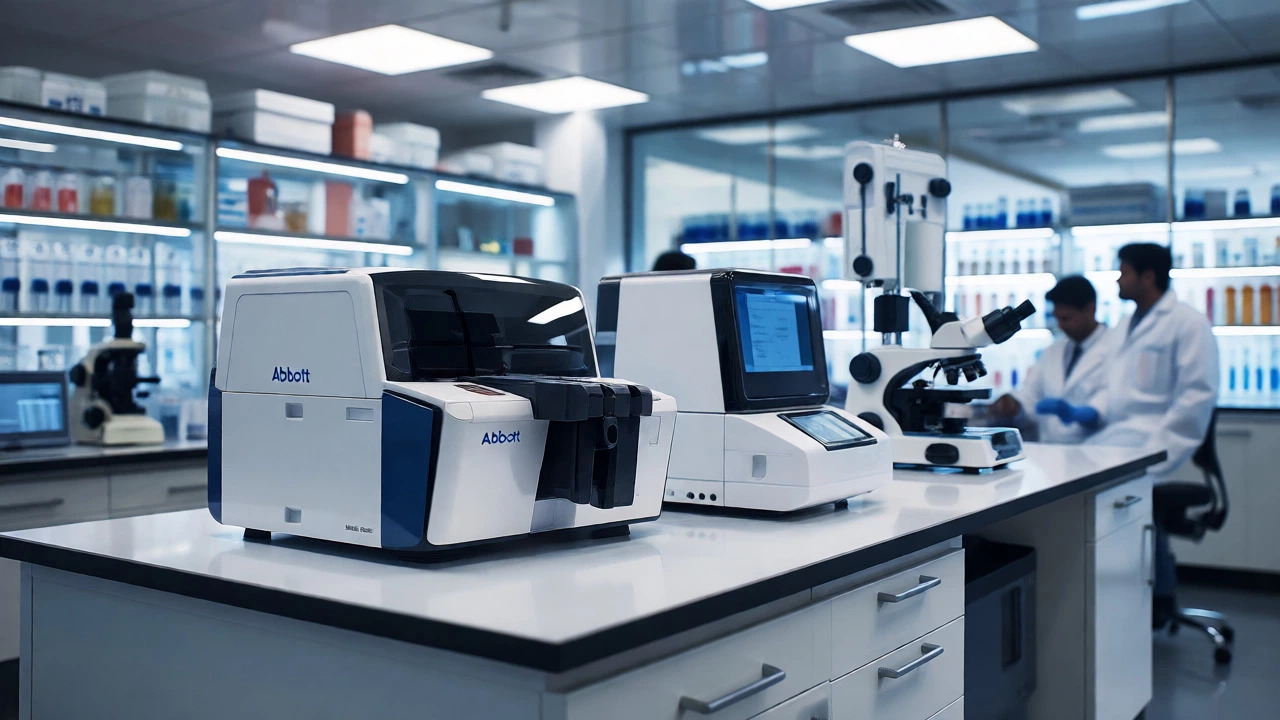
Discover where Abbott India ranks among top pharma manufacturers. We break down their market position, revenue stats, and competitive edge against giants like Sun Pharma.

Discover if Sri Lanka produces cars domestically. Explore the history of local assembly, the dominance of imports, and why mass manufacturing hasn't taken off.
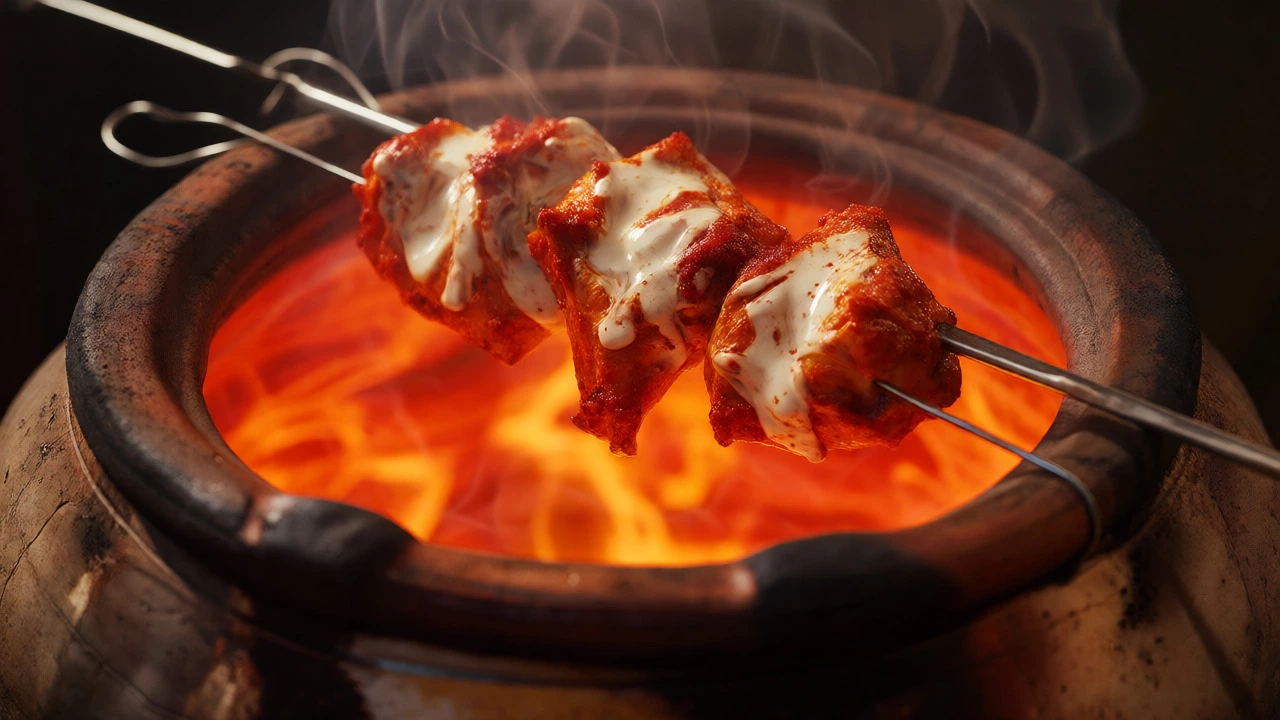
Struggling with dry tandoori chicken? Discover the science behind moisture loss, the importance of yogurt marinades, and how to master high-heat cooking techniques in a home oven.

Discover which manufacturing businesses generate the highest profits. Learn about high-margin niches like sustainable packaging, pet care, and artisanal foods. Get practical tips on validating ideas and scaling production without breaking the bank.

Discover which wood is truly strongest in India. We compare Teak, Sissoo, Sal, and Ironwood based on hardness, durability, and suitability for furniture.

Discover what a CPU in a restaurant really is. Learn how Central Processing Units streamline food production, cut costs, and ensure consistency for multi-location brands.
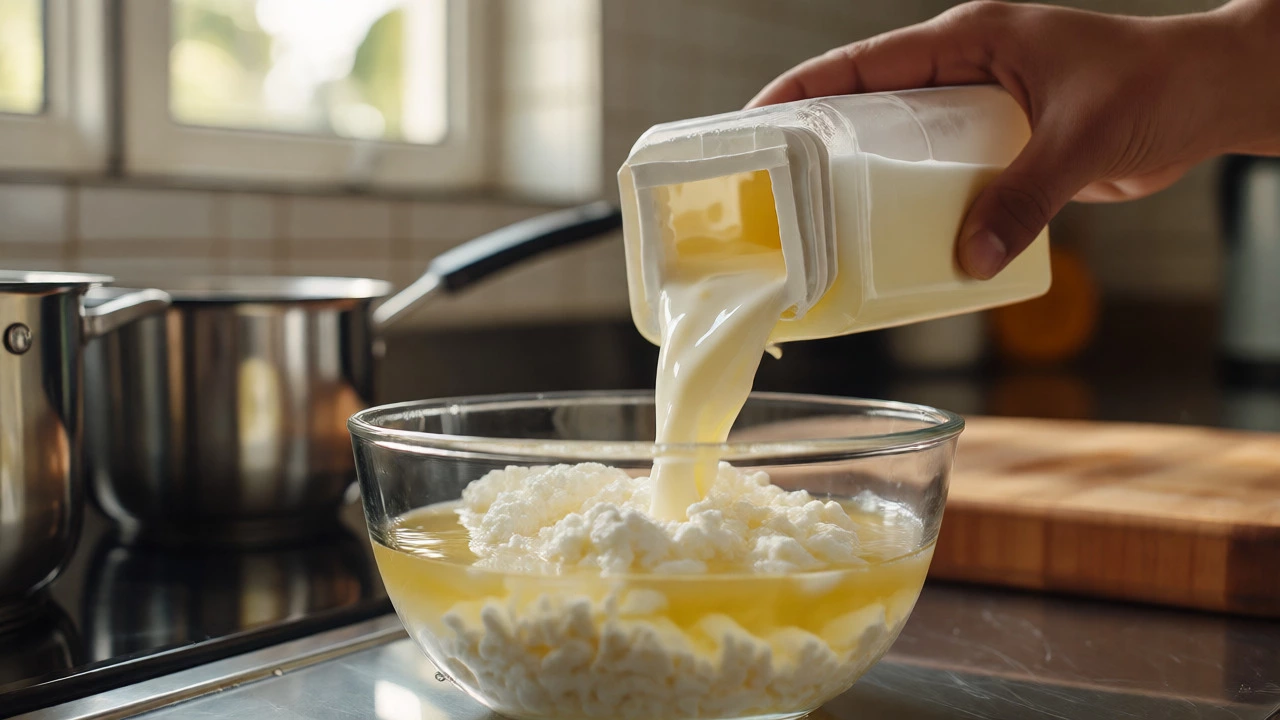
Learn if you can safely use spoiled milk to make homemade paneer. Discover the difference between sour and rotten milk, plus tips for texture and taste.

Discover which industries qualify as small scale based on investment limits, not just size. Learn how manufacturing sectors like textiles, food, and engineering fit into MSME definitions and the benefits you gain.

Confused by 'PC' on your restaurant bill? It stands for Per Person. Learn how this pricing model works, how to calculate your total, and why restaurants use it.

Discover where plastic is made in the USA. From Texas resin plants to Midwest molding hubs, learn which states dominate production and why location matters.