What to Eat at Night for Indian Food That’s Healthy
Bedtime Snack Timing Calculator
Don't eat within 90 minutes of bedtime to avoid digestion issues and improve sleep quality. Calculate your ideal snack time based on your usual bedtime.
Ever lay awake at night wondering what to eat that won’t leave you bloated, sluggish, or guilty? If you’re craving something Indian but don’t want to wreck your sleep or digestion, you’re not alone. Many people in India and beyond reach for fried samosas, spicy chole, or rich kheer after dinner - only to regret it later. The truth? You can enjoy authentic Indian flavors at night without the heaviness. It’s all about choosing the right ingredients, portion sizes, and cooking methods.
Why Nighttime Snacking Needs a Different Approach
Your metabolism slows down after sunset. Eating heavy, oily, or sugary foods late at night means your body spends hours digesting instead of resting. That’s why you wake up tired, bloated, or with heartburn. Indian food isn’t the problem - it’s how we prepare it. Many traditional snacks are deep-fried or loaded with ghee, sugar, or refined flour. But swap those out, and you get meals that are satisfying, culturally familiar, and gentle on your system.
A 2023 study from the Indian Journal of Clinical Nutrition found that people who switched to light, fiber-rich evening snacks reported 40% better sleep quality and fewer digestive complaints within two weeks. The key? Focus on whole grains, legumes, vegetables, and spices that aid digestion - not ones that irritate them.
Best Healthy Indian Snacks for Nighttime
Here are the top five Indian snacks that work after dark - all easy to make, packed with nutrients, and won’t keep you up.
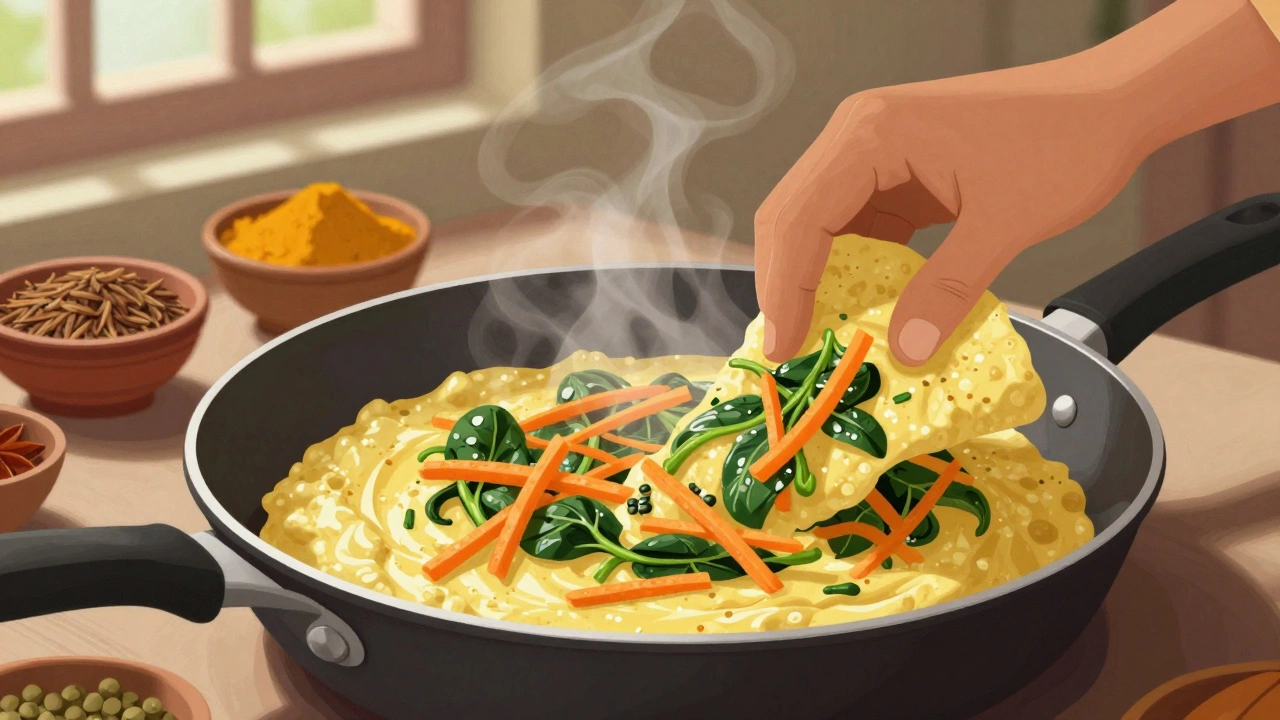
- Moong Dal Chilla - Made from soaked and ground yellow moong dal, these savory pancakes are high in plant-based protein and digest easily. Skip the oil - cook them on a non-stick pan with a light spray. Add grated carrots, spinach, or chopped onions for extra fiber. One chilla has about 120 calories and keeps you full for hours.
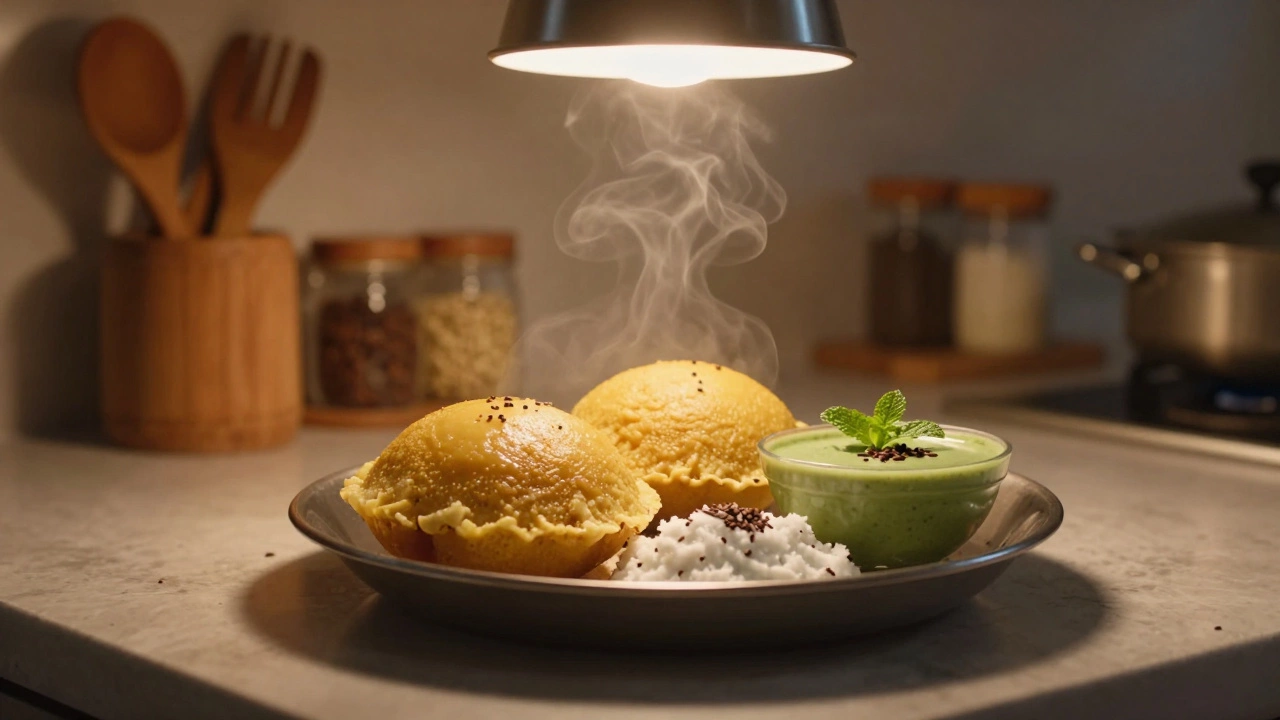
- Steamed Idli with Coconut Chutney - Idlis are fermented rice and lentil cakes, naturally light and easy on the stomach. Fermentation boosts gut-friendly bacteria. Pair with a small serving of fresh coconut chutney (no sugar added) for flavor. Two idlis with chutney = under 150 calories.
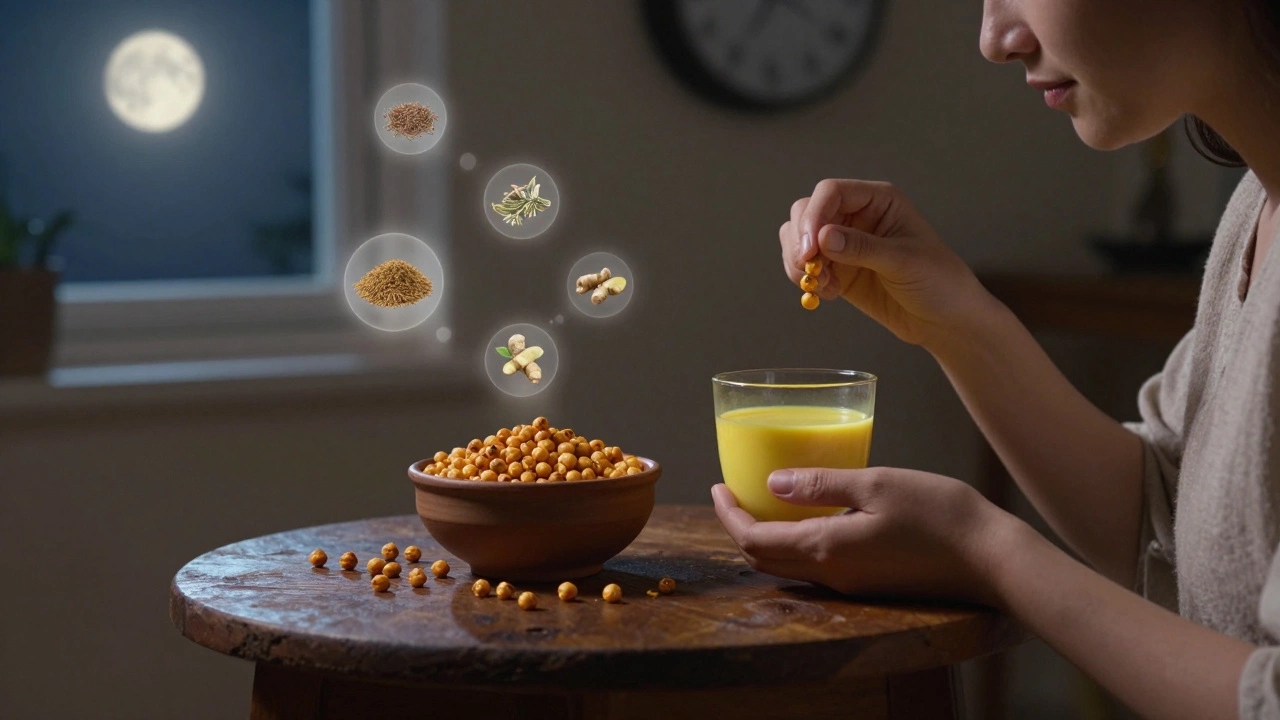
- Roasted Chana (Chickpeas) - Not the oily, spicy street version. Dry-roast chickpeas with a pinch of cumin, black salt, and a dash of lemon. They’re crunchy, satisfying, and full of protein and fiber. A quarter cup gives you 6 grams of fiber and 7 grams of protein. No oil. No guilt.
- Vegetable Upma (Low-Oil Version) - Use semolina made from whole wheat instead of refined. Sauté onions, peas, carrots, and tomatoes in 1 tsp of mustard oil or olive oil. Add turmeric and curry leaves for flavor. Skip the peanuts and cashews. One bowl is under 200 calories and gives you slow-releasing carbs to stabilize blood sugar overnight.
- Buttermilk (Chaas) with Roasted Cumin - Not just a drink - it’s a digestive aid. Mix plain yogurt with water, a pinch of salt, roasted cumin powder, and a few mint leaves. It cools the system, reduces acidity, and helps you sleep. Drink it 30 minutes before bed.
Snacks to Avoid at Night
Some Indian foods are great for lunch or dinner but terrible for late-night munching. Here’s what to skip:
- Pakoras and Samosas - Deep-fried in reused oil, these are high in trans fats and hard to digest. They trigger acidity and can cause restless sleep.
- Jalebi and Gulab Jamun - Pure sugar bombs. Your liver has to work overtime to process them, and sugar spikes disrupt melatonin production.
- Heavy Curries (Butter Chicken, Paneer Tikka Masala) - Cream, butter, and cheese slow digestion. Eat these earlier in the day.
- White Rice with Gravy - High glycemic index. Causes blood sugar spikes and crashes, leading to nighttime hunger or wakefulness.
Spices That Help - Not Hurt - Your Night
Indian spices aren’t just for flavor. Many have real digestive and sleep-supporting properties.
- Cumin (Jeera) - Stimulates enzyme production. Helps break down food faster. Add to chaas or roasted chana.
- Coriander - Reduces bloating and gas. Use fresh leaves in chillas or idli chutney.
- Turmeric - Anti-inflammatory. Helps calm gut irritation. A pinch in upma or warm milk makes a big difference.
- Fennel Seeds (Saunf) - Chew a teaspoon after your snack. Natural breath freshener and stomach soother. Used for centuries after meals in India.
- Ginger - Boosts digestion and reduces nausea. Add grated ginger to your chaas or herbal tea.
These aren’t magic. But used consistently, they turn a midnight snack into a healing ritual.
Portion Control Matters More Than You Think
Even healthy snacks can become unhealthy if you overeat. At night, your body doesn’t need energy - it needs repair. Aim for snacks under 200 calories. A good rule: your snack should fit in one small bowl or two cupped hands. If you’re still hungry after 15 minutes, drink a glass of warm water. Often, thirst is mistaken for hunger.
Try this: Eat your snack sitting down, without screens. Chew slowly. Notice the taste. This simple habit reduces overeating and helps your body recognize when it’s had enough.
When to Eat - Timing Is Everything
Don’t eat within 90 minutes of bedtime. That gives your body time to digest before sleep. If you’re hungry at 10 p.m., have your snack at 8:30 p.m. - not 9:45. Eating too close to sleep delays deep sleep cycles and increases the chance of acid reflux.
Try this schedule:
- 7:30 p.m. - Dinner ends
- 8:30 p.m. - Night snack (if needed)
- 10:00 p.m. - Lights out
That 90-minute gap makes all the difference.
Real-Life Example: What Works for a Working Parent
Sunita, 42, works a 10-hour shift and gets home at 9 p.m. She used to eat leftover biryani or fried rice at night - then felt awful in the morning. She switched to:
- Two steamed idlis with mint chutney
- Half a cup of roasted chana
- One glass of warm chaas with cumin
Within 10 days, her morning bloating disappeared. Her energy improved. She sleeps through the night. She says, "I thought I had to give up Indian food to be healthy. Turns out, I just had to eat it differently."
Quick Nighttime Snack Prep Guide
Here’s how to make healthy Indian nighttime snacks easy:
- Soak moong dal overnight - ready for chillas in the morning.
- Steam a batch of idlis on Sunday - freeze them. Reheat in microwave for 45 seconds.
- Roast a big batch of chickpeas on the weekend. Store in an airtight jar.
- Keep fresh mint, coriander, and cumin powder ready in the fridge.
- Make a big jug of chaas every two days - keeps well in the fridge.
Prep once, eat well all week.
What About Desserts?
Yes, you can have something sweet - just not the usual kind. Try:
- One small bowl of plain yogurt with a sprinkle of cardamom and 2 chopped dates.
- A few slices of ripe papaya or guava - naturally sweet, high in fiber.
- Warm milk with a pinch of turmeric and nutmeg - no sugar. It’s calming and traditional.
Forget kheer. Your body doesn’t need that kind of sugar at night.
Can I eat paneer at night?
Yes - but only in small amounts and prepared simply. A few cubes of grilled paneer with black pepper and lemon juice is fine. Avoid paneer in creamy gravies or fried versions. Paneer is high in protein, which can help stabilize blood sugar, but it’s also slow to digest. Eat it at least 90 minutes before bed.
Is masala tea okay before bed?
Only if you leave out the tea leaves. Regular masala chai has caffeine, which can keep you awake. Make a caffeine-free version using just spices - fennel, ginger, cardamom, cinnamon - boiled in milk or water. Sweeten with a touch of jaggery if needed. This version is soothing and helps digestion.
Are poha and upma the same for nighttime?
Both can work, but upma is better at night. Poha is lighter but often made with rice flakes that spike blood sugar quickly. Upma made with whole wheat semolina gives slower-releasing energy. Use less oil, skip nuts, and load up on vegetables. Both should be eaten at least 90 minutes before bed.
What if I’m hungry after midnight?
If you’re truly hungry, have a small glass of warm water with a teaspoon of honey and a pinch of cinnamon. It’s gentle, won’t spike insulin, and may help stabilize blood sugar. But frequent midnight hunger often means your dinner was too light or too high in carbs. Adjust your evening meal instead of relying on snacks.
Can I eat fruit at night?
Yes - but choose wisely. Apples, papaya, guava, and berries are low in sugar and high in fiber. Avoid bananas, mangoes, and grapes at night - they’re high in natural sugars and can cause spikes. Eat fruit at least one hour before bed to give your body time to process it.
Final Thought: It’s Not About Restriction - It’s About Respect
You don’t have to give up Indian food to feel good at night. You just need to respect your body’s rhythm. The snacks you choose should comfort you, not burden you. Healthy doesn’t mean bland. It means thoughtful. It means using the same spices, flavors, and traditions - but preparing them with care.
Start tonight. Swap one fried snack for a bowl of roasted chana. Try chaas instead of tea. Eat slowly. Sleep better. Your body will thank you.