What Is the Healthiest Indian Dish? Top Nutritious Choices Explained
Indian Dish Nutritional Calculator
Estimate Your Meal
Nutritional Estimate
Tips for maximum health benefits:
When people think of Indian food, they often picture rich curries, buttery naan, and deep-fried snacks. But Indian cuisine has a deep tradition of eating well - not just for flavor, but for balance, digestion, and long-term health. So what’s actually the healthiest Indian dish? It’s not one single recipe. It’s a whole category of meals built around whole grains, lentils, vegetables, and spices that have been used for thousands of years to support wellness.
Why Indian Food Can Be One of the Healthiest Diets in the World
India’s traditional diets are rooted in Ayurveda, an ancient system of medicine that focuses on balance between body, mind, and environment. Unlike fad diets that cut out entire food groups, Ayurveda encourages eating according to your body type and season. This means meals are naturally varied, seasonal, and packed with nutrients.
Studies from the Indian Council of Medical Research show that populations following traditional Indian diets have lower rates of heart disease, type 2 diabetes, and obesity - even when calorie intake is similar to Western diets. Why? Because their meals rely on fiber-rich legumes, unrefined grains, and anti-inflammatory spices like turmeric, cumin, and coriander.
Many modern Indian restaurants serve versions of food loaded with oil, cream, and sugar. But the real health heroes? The home-cooked meals passed down through generations.
The Top 5 Healthiest Indian Dishes (and Why They Work)
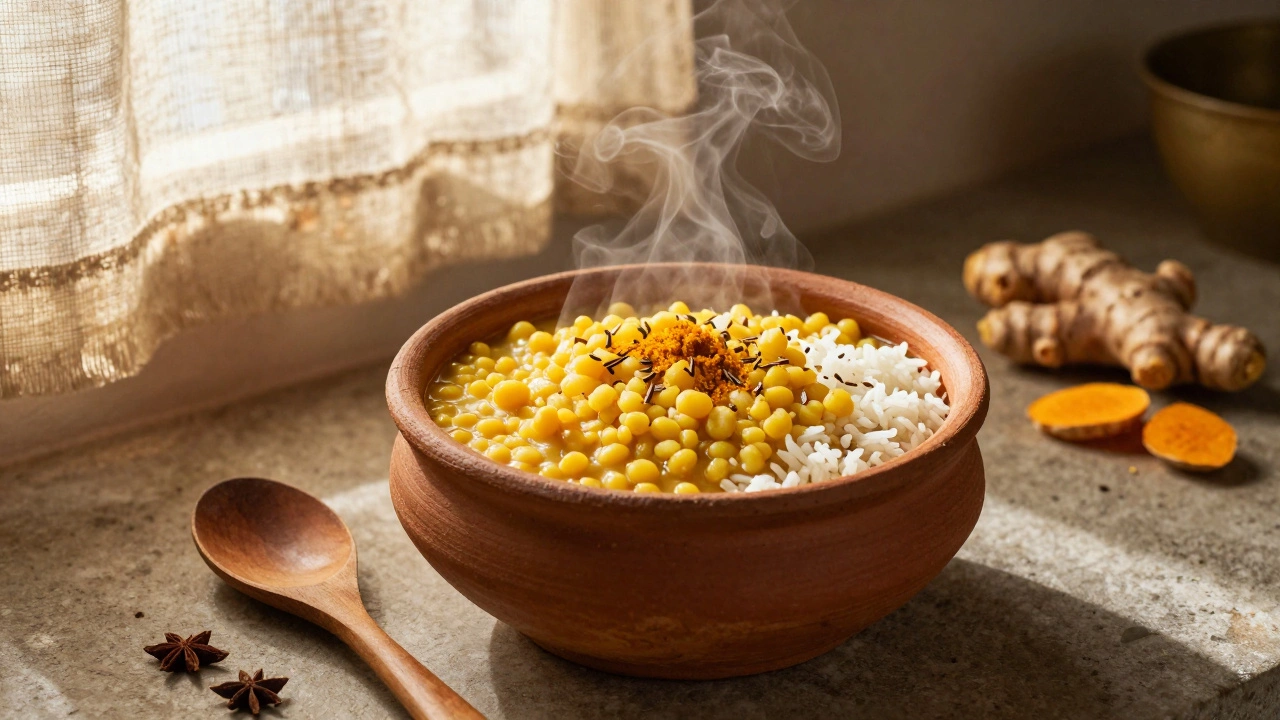
- Moong Dal Khichdi - A simple one-pot meal of split yellow mung beans and rice, cooked with turmeric, ginger, and cumin. It’s easy to digest, high in plant-based protein, and packed with fiber. In Ayurveda, it’s used as a healing food during illness. One cup has about 180 calories, 9 grams of protein, and 6 grams of fiber.
- Palak Paneer (Light Version) - Spinach and cottage cheese, simmered in a tomato-onion base with minimal oil. Spinach is loaded with iron, calcium, and antioxidants. Paneer provides slow-digesting casein protein. Skip the cream and use low-fat paneer. A serving gives you 20 grams of protein and over 100% of your daily vitamin K.
- Vegetable Upma - A savory semolina porridge made with grated carrots, peas, beans, and onions. Cooked with a teaspoon of mustard oil and tempered with curry leaves and urad dal. It’s a breakfast staple in South India. A bowl has 220 calories, 7 grams of fiber, and no added sugar. Whole grain versions (using ragi or jowar flour) are even better.
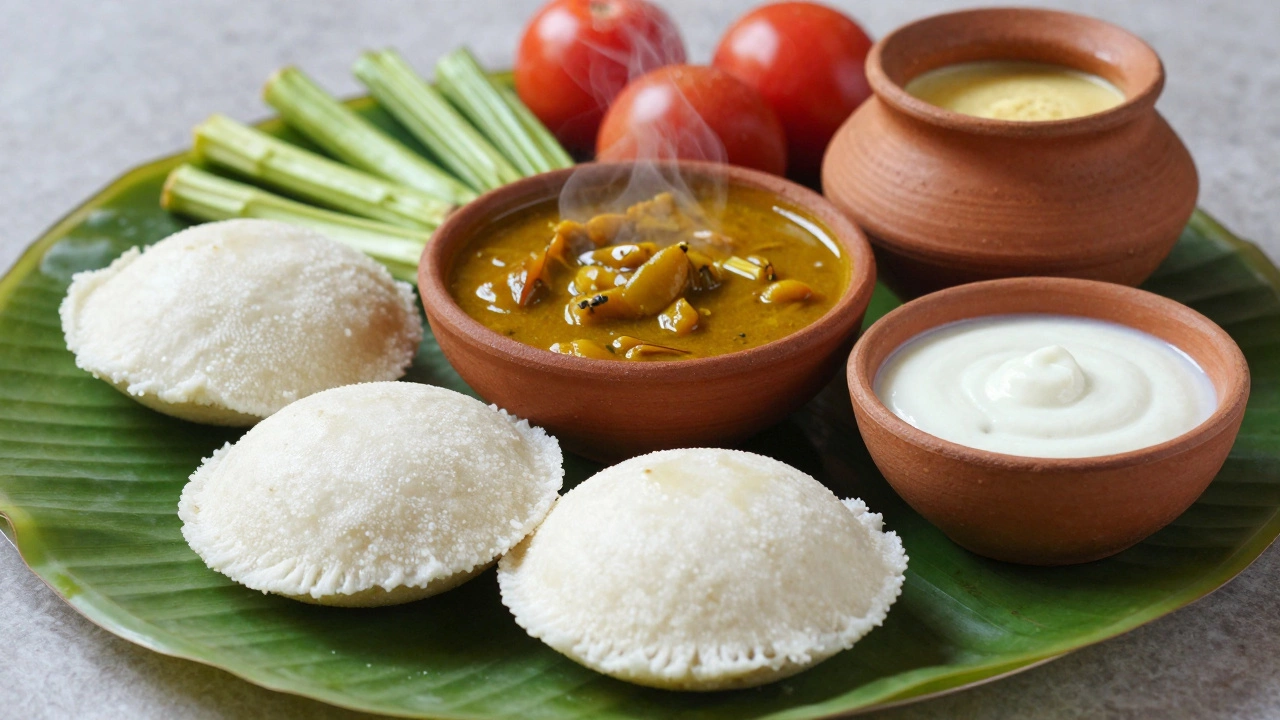
- Idli and Sambar - Steamed rice and lentil cakes served with a tamarind-based lentil stew. The fermentation process in idli batter increases nutrient absorption and probiotics. Sambar is loaded with lentils, drumstick, tamarind, and spices like fenugreek and asafoetida. Together, they form a complete protein with zero added fat. One idli has just 35 calories.
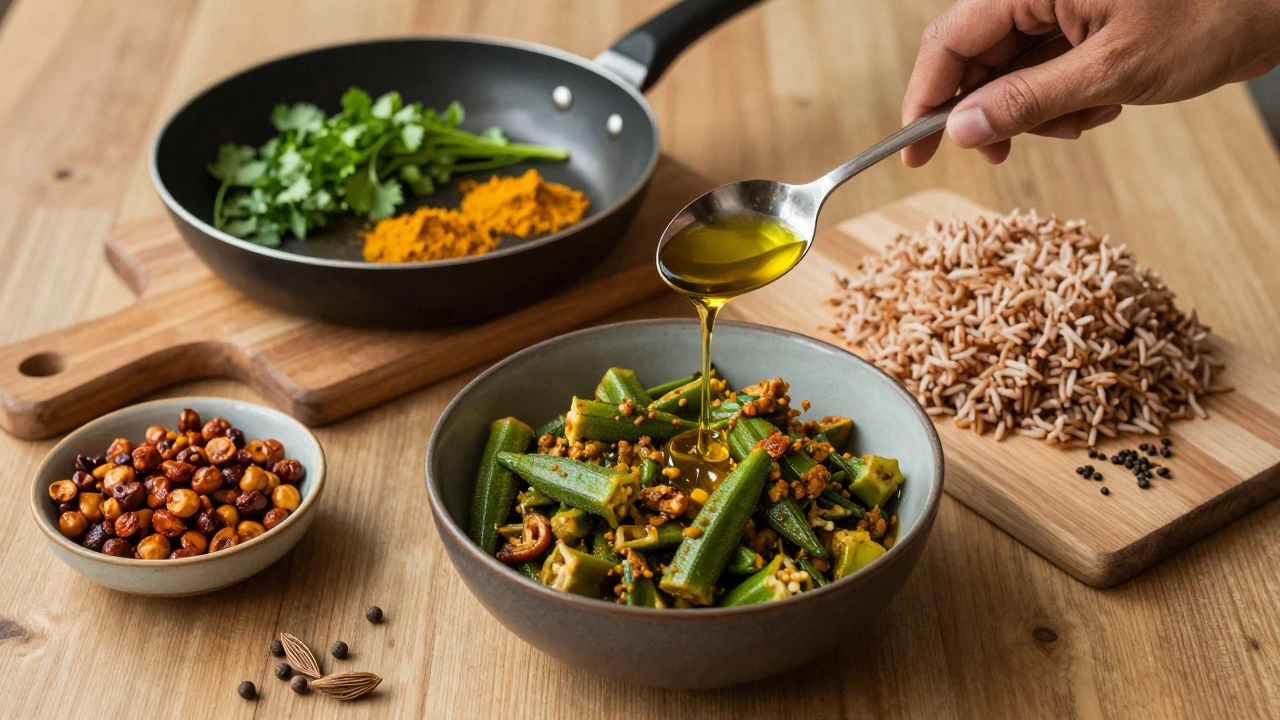
- Bhindi Masala (Okra Stir-Fry) - Okra cooked with onions, tomatoes, turmeric, and cumin in minimal oil. Okra is rich in soluble fiber, which helps lower cholesterol and stabilize blood sugar. It’s also a great source of folate and vitamin C. A 100-gram serving has only 30 calories and 3 grams of fiber.
What Makes These Dishes So Healthy?
These dishes aren’t just low in calories - they’re nutrient-dense. They use:
- Legumes - Lentils, chickpeas, and beans provide protein without saturated fat. Indian diets get more protein from plants than meat.
- Whole Grains - Brown rice, millet (bajra, ragi), and whole wheat replace white rice and refined flour.
- Spices - Turmeric (curcumin) fights inflammation. Cumin aids digestion. Ginger and garlic boost immunity.
- Fermentation - Idli, dosa, and yogurt cultures improve gut health and nutrient availability.
- Minimal Oil - Traditional cooking uses just 1-2 teaspoons per serving. Deep frying is reserved for festivals.
Compare that to popular “Indian” dishes like butter chicken, paneer tikka masala, or samosas - all high in saturated fat, refined carbs, and sodium. Those aren’t wrong - they’re just not everyday meals.
Healthy Indian Snacks You Can Eat Daily
If you’re looking for snacks, skip the fried pakoras and namkeen. Try these instead:
- Roasted chana (chickpeas) with a pinch of black salt and chaat masala - crunchy, high in protein, and fiber-rich.
- Steamed sweet potato with lime and cumin - naturally sweet, loaded with beta-carotene.
- Yogurt with grated cucumber, mint, and roasted cumin - a probiotic-rich coolant for hot days.
- Makhana (fox nuts) roasted with a dash of turmeric - low-calorie, gluten-free, and full of magnesium.
- Raw vegetable sticks with a mint-coriander chutney - no oil, no sugar, just fresh herbs.
These snacks don’t need packaging. They’re made from ingredients you can find in any Indian grocery store. And they keep you full longer than any biscuit or chip.
Common Mistakes People Make with “Healthy Indian Food”
Many assume all Indian food is healthy - but that’s not true. Here’s what trips people up:
- Using ghee or coconut oil in excess - While these fats are natural, 3 tablespoons in a curry adds 360 extra calories.
- Choosing white rice over brown or millet - White rice spikes blood sugar. Swap it for red rice or jowar roti.
- Adding sugar to chutneys - Many store-bought tamarind or mint chutneys have added sugar. Make your own with lemon, dates, or stevia.
- Thinking paneer is a protein miracle - It’s high in protein, but also high in saturated fat. Use low-fat versions or replace it with lentils twice a week.
- Overcooking vegetables - Boiling spinach for 20 minutes kills its vitamin C. Stir-fry or steam them lightly.
How to Make Your Indian Meals Healthier Today
You don’t need to overhaul your diet. Just make small swaps:
- Swap white rice for brown rice, red rice, or quinoa.
- Use 1 teaspoon of oil instead of 3 when cooking.
- Load your dal and sabzi with extra spinach, beans, or bottle gourd.
- Use jaggery or dates instead of sugar in desserts.
- Make your own spice blends - no added salt or preservatives.
Try one new healthy dish each week. Start with moong dal khichdi. It’s simple, cheap, and takes 20 minutes. Eat it for breakfast, lunch, or dinner. You’ll feel lighter, more energized, and less bloated.
Real-Life Impact: What Happens When People Switch
In a 2024 study of 300 British-Indian families in Birmingham, those who replaced fried snacks and white rice with traditional whole-food meals saw:
- A 22% drop in fasting blood sugar levels in 8 weeks
- A 15% reduction in LDL (bad) cholesterol
- Improved digestion and less bloating
- More consistent energy throughout the day
One participant, a 52-year-old teacher, lost 11 pounds without counting calories. She just started eating idli and sambar for breakfast, swapped naan for millet roti, and snacked on roasted chana. She didn’t feel deprived. She felt better.
Final Thought: The Healthiest Dish Is the One You Eat Regularly
There’s no single “healthiest Indian dish.” The real winner is consistency. A diet built on lentils, vegetables, whole grains, and spices - prepared simply - is more powerful than any superfood trend. It’s not about perfection. It’s about returning to what works: food that nourishes, not just fills.
Is Indian food generally healthy?
Traditional Indian food is very healthy - when it’s made with whole grains, legumes, vegetables, and minimal oil. But many restaurant versions are loaded with cream, sugar, and deep-fried elements. The key is how it’s prepared, not the cuisine itself.
What Indian dish is best for weight loss?
Moong dal khichdi and idli with sambar are top choices. Both are high in fiber and protein, low in fat, and very filling. A typical serving has under 200 calories and keeps you full for hours. Pair them with a side of raw veggies for extra volume without calories.
Are Indian snacks healthy?
Some are, some aren’t. Fried snacks like samosas and pakoras are high in calories and trans fats. But roasted chana, makhana, steamed sweet potato, and yogurt-based snacks are nutritious and low-calorie. The trick is choosing the right ones - and avoiding pre-packaged versions with added sugar or salt.
Is paneer good for health?
Paneer is a good source of protein and calcium, but it’s also high in saturated fat. If you eat it daily, use low-fat paneer or limit it to 2-3 times a week. For plant-based protein, swap it with dal, tofu, or chickpeas.
Can I eat Indian food if I have diabetes?
Yes - but choose wisely. Avoid white rice, sugary chutneys, and fried items. Stick to whole grains like millet, legumes like moong dal, and non-starchy vegetables. Dishes like vegetable upma, bhindi masala, and dal tadka are excellent. Monitor portion sizes and pair meals with a salad or yogurt.