What Is the Healthiest Fruit? Top Choices Backed by Science
Fruit Nutrition Match Calculator
Find Your Ideal Fruit
Based on the article: "What Is the Healthiest Fruit? Top Choices Backed by Science"
Top Choices
Why These Work
Select a health goal to see personalized recommendations
When people ask what the healthiest fruit is, they’re usually looking for a simple answer. But there isn’t one single fruit that wins every time. What matters most is what your body needs right now - whether it’s more fiber, antioxidants, or natural energy. The truth? The healthiest fruit is the one you’ll actually eat regularly. And if you’re thinking about healthy Indian snacks, some of the best options come straight from nature’s pantry.
Why There’s No Single ‘Healthiest’ Fruit
Every fruit has a unique mix of vitamins, minerals, and plant compounds. Blueberries pack in anthocyanins that fight inflammation. Bananas give you quick energy and potassium. Oranges are famous for vitamin C. But no fruit does everything perfectly. A study from the USDA’s nutrient database shows that even among top performers, no fruit scores higher than 92% across all nutritional categories. That’s because nutrition isn’t a race - it’s a balance.
For example, if you’re trying to manage blood sugar, a high-sugar fruit like mango might not be ideal in large amounts. But if you’re recovering from a workout, that same mango gives you fast-replenishing carbs and natural electrolytes. The same goes for dried fruits like dates - packed with iron and fiber, but also concentrated in sugar. Context matters more than labels.
The Top 5 Most Nutrient-Dense Fruits
Based on nutrient density per calorie - meaning how many vitamins and minerals you get for each bite - here are five fruits that consistently rank at the top:
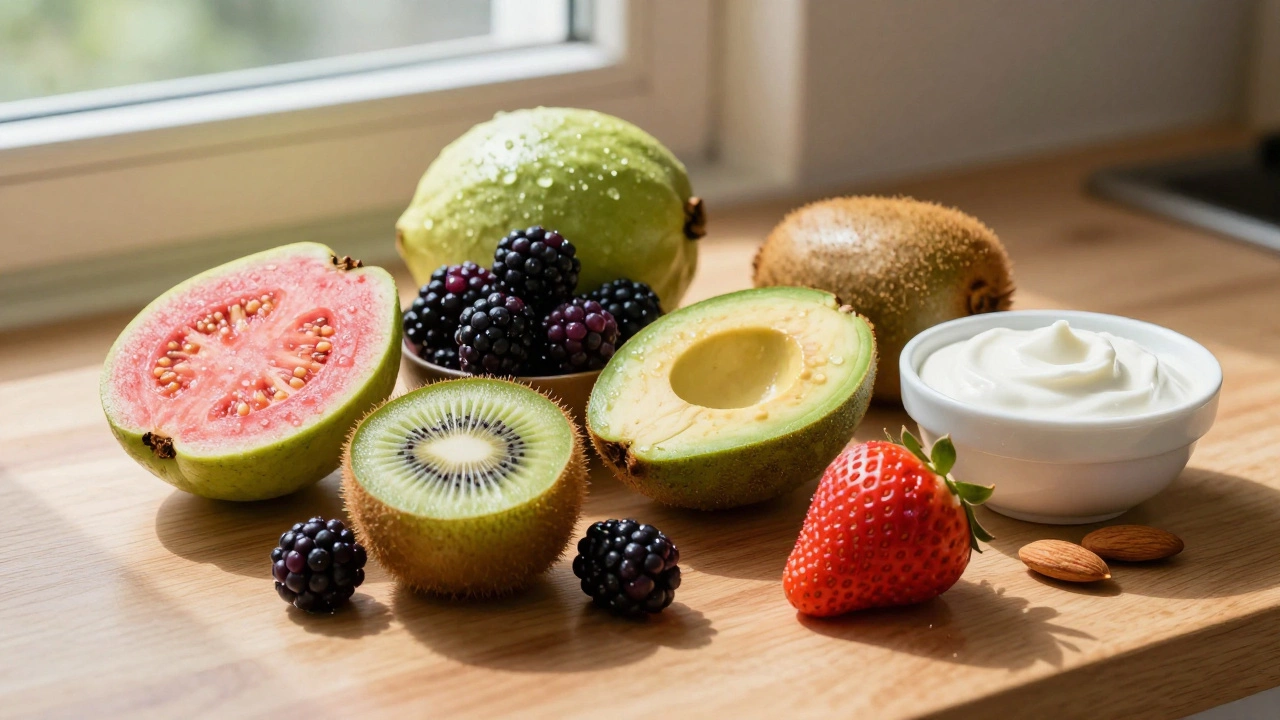
- Guava - One cup has over 200% of your daily vitamin C, more fiber than an apple, and just 37 calories. It’s also rich in lycopene, the same antioxidant found in tomatoes.
- Blackberries - These tiny dark berries have more fiber than any common fruit (8g per cup) and are loaded with vitamin K and manganese. They also contain ellagic acid, which studies link to reduced oxidative stress.
- Avocado - Yes, it’s a fruit. It’s not sweet, but it’s packed with heart-healthy monounsaturated fats, potassium (more than a banana), and folate. It helps your body absorb fat-soluble vitamins from other foods.
- Kiwi - One kiwi gives you more vitamin C than an orange and twice the potassium of a banana. It also contains actinidin, an enzyme that aids digestion - perfect if you’re eating heavy meals like dal or curd rice.
- Strawberries - Low in sugar, high in antioxidants. One cup has 149% of your daily vitamin C, plus manganese and folate. They’re also one of the least pesticide-contaminated fruits, according to the EWG’s Dirty Dozen report.
These five aren’t just healthy - they’re versatile. You can eat them raw, blend them into smoothies, or even use them in savory Indian snacks. Think guava chutney with roasted chickpeas, or mashed avocado on whole wheat toast with chaat masala.
What About Indian Fruits? The Local Superstars
If you’re looking for healthy Indian snacks, don’t overlook native fruits that grow right here. Many are richer in nutrients than imported ones - and far more sustainable.
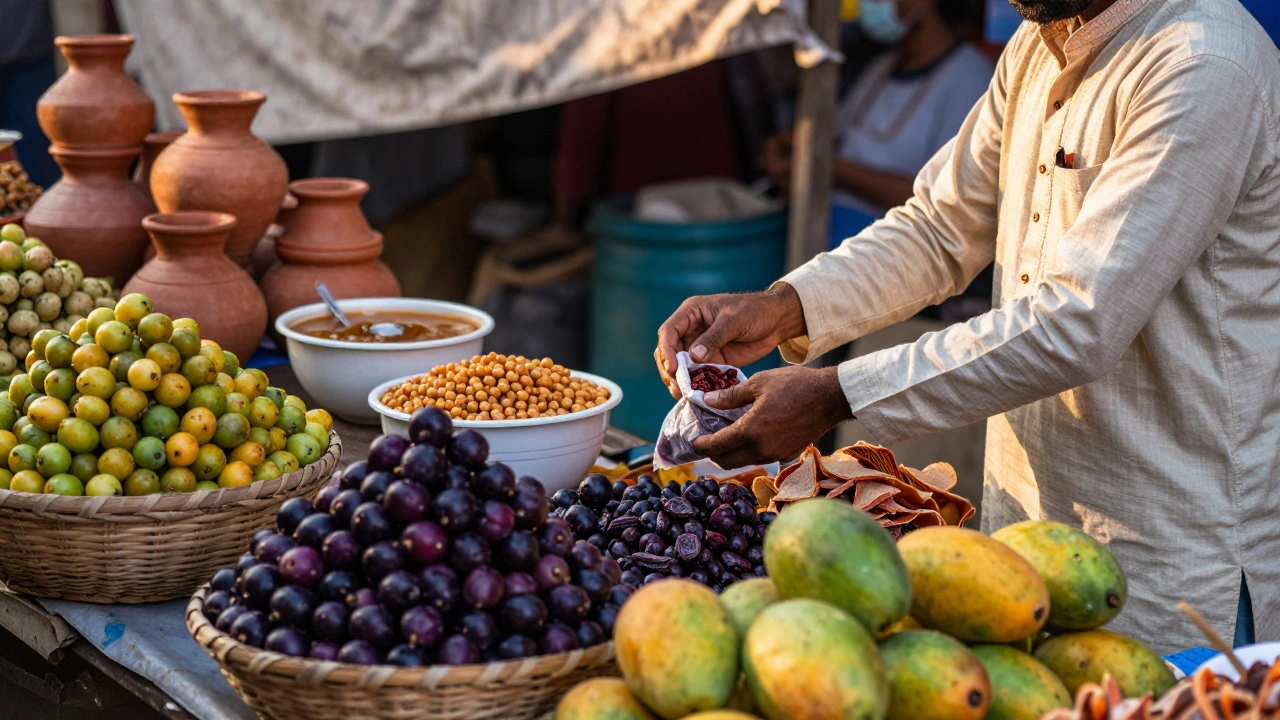
- Amla (Indian Gooseberry) - Often called the Indian superfruit, amla has 20 times more vitamin C than an orange. It’s used in traditional Ayurveda for digestion, immunity, and liver health. Dried amla candy is a popular snack - just watch out for added sugar.
- Jamun (Java Plum) - This deep purple fruit is low glycemic, making it one of the few fruits safe for diabetics. It’s rich in anthocyanins and helps regulate blood sugar naturally. Eat it fresh or try jamun juice with a pinch of black salt.
- Banana (Kela) - Not just for energy. A ripe banana has resistant starch that feeds good gut bacteria. It’s also a great base for healthy snacks like banana oat pancakes or banana-chia pudding.
- Mango (Aam) - Yes, it’s sweet. But raw mangoes have tartness and fiber. Try raw mango pickle or aam panna (a cooling drink made with jaggery and cumin) - both are traditional, natural, and packed with benefits.
These fruits aren’t just food - they’re part of a cultural food system that’s been optimized for local health needs for centuries.
What Fruits to Avoid (or Limit)
There’s no such thing as a ‘bad’ fruit. But some are better eaten in moderation - especially if you’re watching sugar, calories, or blood sugar levels.
- Dried fruits like raisins, dates, and figs - They’re nutrient-dense but sugar-dense. A handful of dates has the same sugar as a candy bar. Stick to 1-2 per day.
- Tropical fruits like pineapple and watermelon - High in natural sugars and low in fiber. Great as an occasional treat, but not ideal as a daily snack if you’re insulin-sensitive.
- Fruit juices - Even 100% pure juice removes the fiber and spikes blood sugar. Whole fruit is always better.
Remember: The goal isn’t to eliminate sugar. It’s to pair it with fiber, fat, or protein to slow absorption. That’s why pairing an apple with peanut butter or a banana with nuts works better than eating them alone.
How to Build Healthy Snacks Around Fruit
If you’re looking for healthy Indian snacks, fruit doesn’t have to be eaten alone. Here are simple, real-life combos:
- Amla + roasted chana - Tangy, crunchy, and full of fiber and protein. A perfect afternoon snack.
- Guava + unsweetened yogurt - Adds probiotics and turns a simple fruit into a gut-friendly meal.
- Blackberries + almonds - A handful of berries with 6 almonds gives you antioxidants, healthy fats, and staying power.
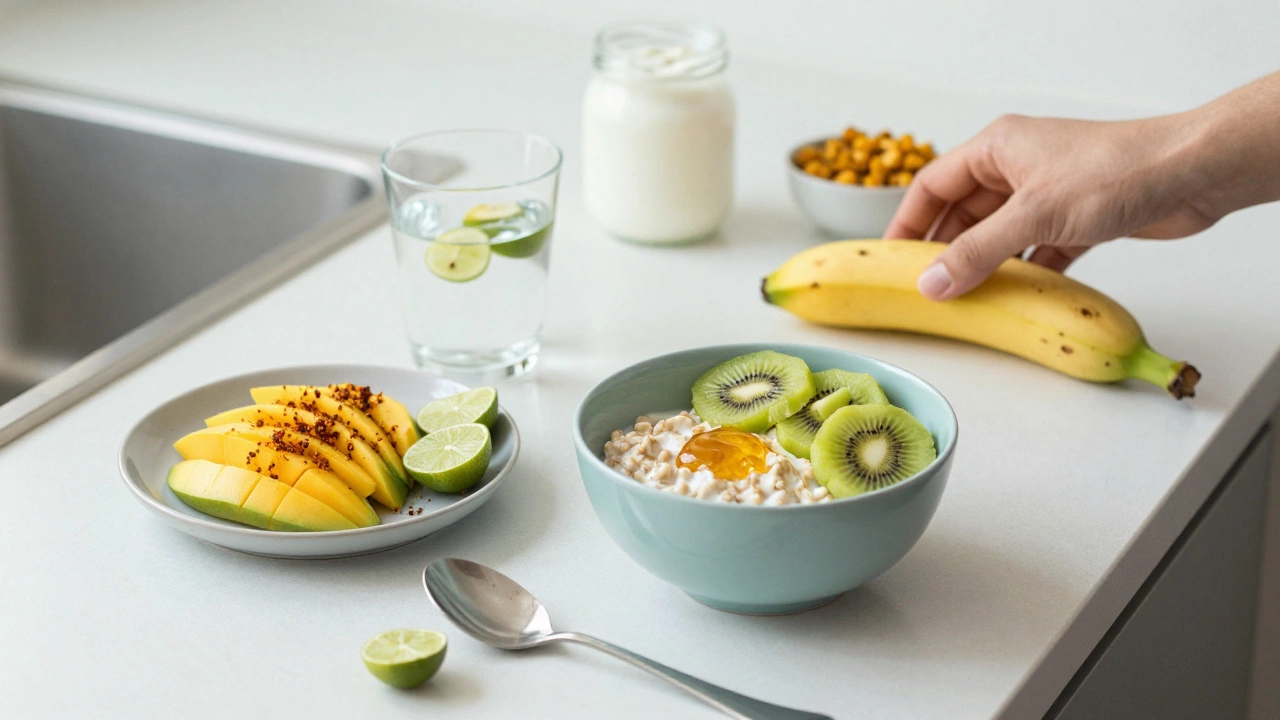
- Mango + lime + salt - A classic street snack in India. The salt balances the sweetness, and lime adds vitamin C.
- Kiwi + oats + honey - Mash a kiwi into overnight oats. No cooking needed, and it’s packed with fiber and enzymes.
These aren’t fancy recipes. They’re practical, cheap, and use ingredients you can find in any Indian market. No need to buy expensive superfoods from abroad when local fruits do the job better.
Myth Busting: Superfoods vs. Everyday Fruits
Marketing loves calling certain fruits ‘superfoods.’ But the term isn’t scientific. It’s just a buzzword. Blueberries? Great. But so are apples. Pomegranates? High in antioxidants. But so are grapes, plums, and even cherries.
A 2023 analysis from the British Journal of Nutrition looked at 120 fruits and found that the top 10 most nutrient-dense were all common, affordable, and locally available. None of them cost more than $3 per pound. The real ‘superfood’? Consistency. Eating a variety of fruits, every day, is far more powerful than chasing the latest trend.
Don’t fall for the myth that you need exotic imports to be healthy. Your local market has everything you need.
Final Thought: Eat What You Like - But Eat Often
The healthiest fruit isn’t the one with the most science papers written about it. It’s the one you look forward to. If you hate kiwi but love papaya, eat papaya. If you can’t stand berries but crave oranges, go for oranges. Your body will thank you more for regular, joyful eating than for perfect, punishing choices.
Start small. Swap one processed snack a week for a piece of fruit. Add a banana to your morning tea. Keep a bowl of amla or guava on the counter. Make fruit so easy to reach that you don’t have to think about it. That’s how healthy habits stick - not through willpower, but through convenience.
Is there one fruit that’s the absolute healthiest?
No single fruit is the absolute healthiest. Different fruits offer different benefits. Guava, blackberries, kiwi, avocado, and strawberries rank highest in nutrient density, but the best choice depends on your needs - like blood sugar control, digestion, or energy levels. Eating a variety is more important than picking one winner.
Are Indian fruits healthier than imported ones?
Many Indian fruits like amla, jamun, and guava are more nutrient-dense than common imported fruits. Amla has 20 times more vitamin C than an orange. Jamun helps regulate blood sugar. These fruits are also fresher, cheaper, and more sustainable when eaten locally. Imported fruits aren’t bad, but local options often outperform them nutritionally and environmentally.
Can I eat dried fruits like dates and raisins as healthy snacks?
Yes - but in moderation. Dried fruits are packed with fiber, iron, and antioxidants. However, they’re also concentrated in sugar. One date has about 20 grams of sugar. Stick to 1-2 pieces per day and pair them with nuts or yogurt to slow sugar absorption. Avoid sugary versions sold in stores - look for unsweetened, natural dried fruits.
Is fruit juice a healthy alternative to whole fruit?
No. Even 100% pure fruit juice removes the fiber, which means sugar enters your bloodstream quickly. This can spike blood sugar and leave you hungry soon after. Whole fruit gives you fiber, chewing satisfaction, and slower digestion. If you drink juice, make it at home, dilute it with water, and drink it slowly - but whole fruit is always better.
What’s the best way to include fruit in Indian snacks?
Pair fruit with protein or fat to balance sugar. Try guava with roasted chana, banana with peanut butter, or amla with unsweetened yogurt. You can also make fruit-based chutneys, add kiwi to oats, or snack on raw mango with salt and lime. These combinations are traditional, satisfying, and keep energy steady.