Why Is My Chicken Pooping Liquid? Causes, Fixes & When to Worry
Chicken Poop Health Diagnostic Tool
Step 1: Describe the Dropping Appearance
Select the option that best matches what you're observing:
Most Likely Cause
Recommended Actions
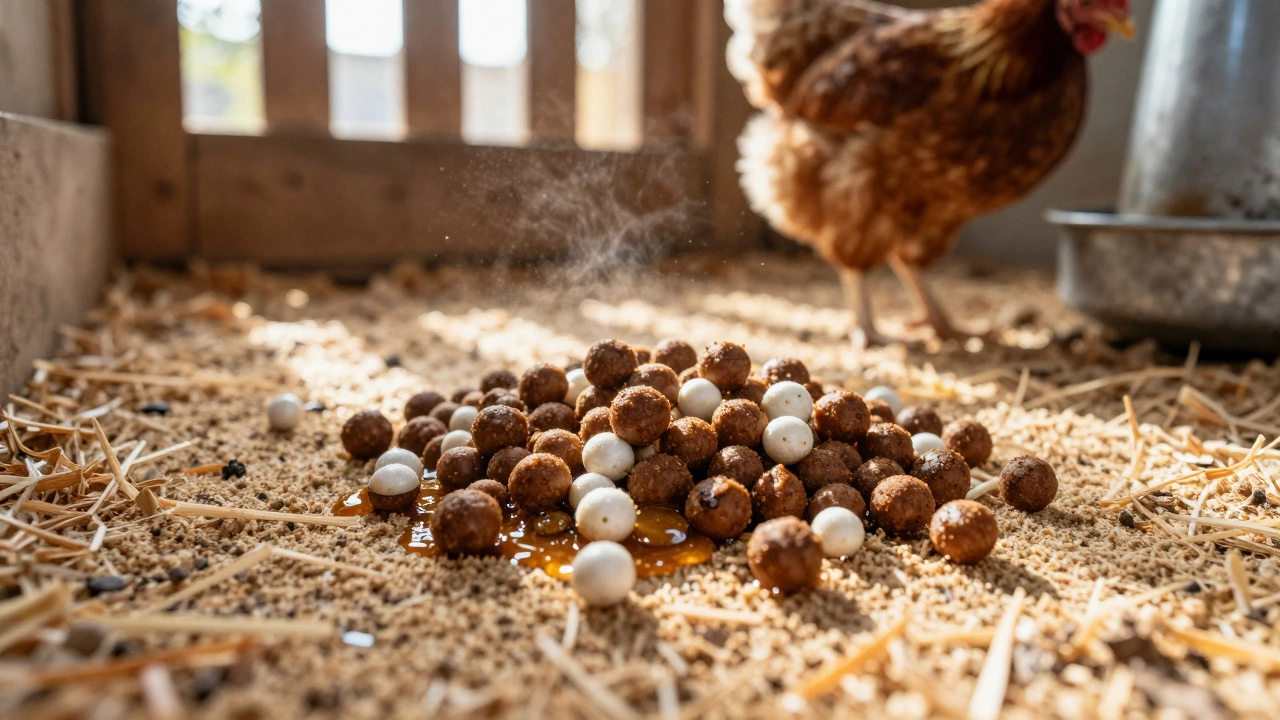
Liquid chicken poop is a common but alarming sign that something is off in your flock's diet or health. If you've walked out to the coop and found soggy litter instead of firm droppings, you're not alone. It happens to backyard keepers and commercial farmers alike. The good news? In most cases, it’s temporary and easy to fix. The bad news? Ignoring it can lead to bigger problems like ammonia buildup, foot infections, or even disease outbreaks.
Chicken waste tells us a lot about their internal state. Normal chicken poop should be semi-firm with a white cap (urates) on top. When it turns watery, runny, or completely liquid, your birds are signaling distress-whether from what they’re eating, how they’re living, or if they’ve caught something nasty. Let’s break down why this happens, how to spot red flags, and what you can do right now to help them bounce back.
What Does Normal Chicken Poop Look Like?
Before we dive into the weird stuff, let’s set a baseline. Healthy chicken droppings usually have three parts: feces (brown/green), urates (white paste-like substance), and sometimes undigested food bits. They should hold shape when dropped onto litter-not splash, not smear, not smell like rotten eggs unless it’s been sitting too long.
If your chickens are pooping mostly water with little solid matter, or if the entire dropping is thin and streaky, that’s abnormal. Occasional soft stool after a big meal of greens isn’t necessarily dangerous-but consistent liquidity over several days means intervention time.
Top Reasons Why Your Chicken Is Pooping Liquid
- Dietary Changes: Sudden shifts in feed-especially adding lots of fruits, veggies, or kitchen scraps-can upset gut flora. Corn, melons, cucumbers, and yogurt all increase moisture output. Even switching brands of layer pellets might cause temporary looseness.
- Overfeeding Greens: Leafy plants are great for enrichment, but feeding more than 10-20% of daily intake leads to high-water-content droppings. Think lettuce, kale, spinach-they’re 90%+ water.
- Heat Stress: Chickens don’t sweat. To cool down, they excrete more fluid through their kidneys. Hot weather = looser poop. Add poor ventilation or lack of shade, and you’ll see puddles under roosts.
- Parasites: Worms (roundworms, tapeworms) and coccidia disrupt digestion. Coccidiosis causes bloody, mucousy diarrhea often mistaken for simple liquid poop. Roundworms make stools look greasy or stringy.
- Bacterial Infections: Salmonella, E. coli, or Clostridium perfringens (causing necrotic enteritis) trigger inflammatory bowel responses. These come with lethargy, loss of appetite, and foul odor.
- Viral Illnesses: Infectious bursal disease (Gumboro) affects young pullets under 8 weeks old, causing severe dehydration and watery feces. Newcastle disease also presents with greenish diarrhea alongside respiratory signs.
- Toxins or Mold: Spoiled feed, mycotoxin-contaminated grains, or access to toxic plants (like rhubarb leaves or avocado pits) irritate the GI tract. Watch for sudden onset without dietary change.
- Stress: Moving coops, introducing new birds, predator scares, or loud noises can shock systems enough to alter elimination patterns temporarily.
How to Diagnose the Cause Quickly
You don’t need a vet degree to figure out what’s going on. Start here:
- Check recent meals: Did you give leftover salad yesterday? Feed extra berries today? Cut back immediately and observe for 48 hours.
- Look at behavior: Are birds active, pecking normally, drinking regularly? Or are they fluffed up, hiding, refusing food? Behavioral clues matter more than poop alone.
- Smell test: Mild sourness = normal fermentation. Rotten egg/fishy stench = bacterial infection or spoiled feed.
- Inspect closely: Use a flashlight to examine fresh droppings. Blood? Mucus? Undigested grain? Each points to different culprits.
- Review environment: Is the coop humid? Crowded? Poorly ventilated? Wet litter breeds pathogens fast.
| Cause | Poop Appearance | Other Signs | Action Needed |
|---|---|---|---|
| Diet shift | Slightly loose, no blood/mucus | Normal energy, eating well | Return to regular feed; monitor 2-3 days |
| Too many greens | Watery, bright green tint possible | No other symptoms | Reduce veggie portion to ≤15% of diet |
| Heat stress | Thin, pale, frequent | Panting, wing spreading, reduced laying | Provide cool water, shade, electrolytes |
| Coccidiosis | Bloody, mucousy, dark brown/red | Lethargic, hunched, decreased appetite | Treat with amprolium; isolate affected bird |
| Bacterial infection | Foul-smelling, yellow/green, slimy | Dehydrated, swollen joints, fever | Consult vet; may require antibiotics |
| Worm burden | Greasy, stringy, undigested seeds visible | Poor weight gain, dull feathers | Deworm with fenbendazole or piperazine |
Immediate Steps to Take Right Now
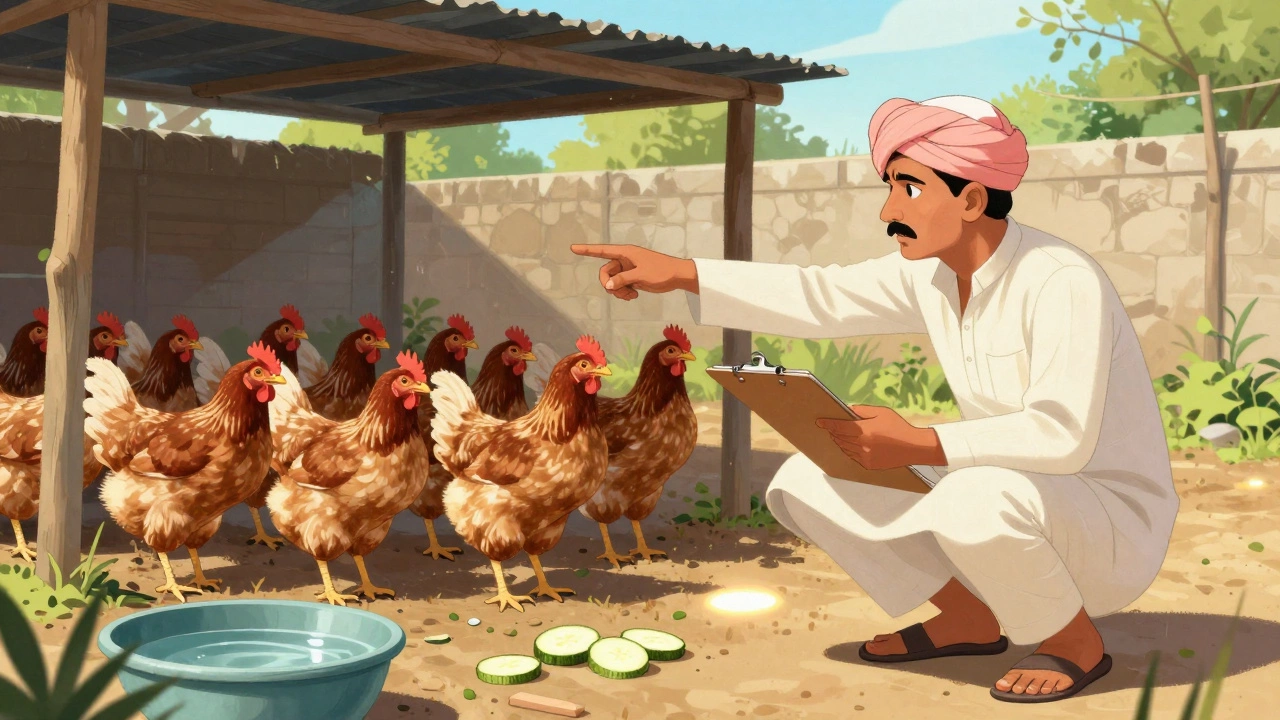
Don’t wait until tomorrow. Here’s your action plan:
- Remove problematic foods: Pull out any treats, especially high-moisture ones. Stick to quality layer feed only for 3-5 days.
- Add probiotics: Mix plain unsweetened yogurt or apple cider vinegar (1 tbsp per gallon) into drinking water to restore gut balance.
- Offer dry bedding: Replace wet litter with pine shavings or sand. Keep areas around drinkers clean and elevated to prevent splashing.
- Monitor hydration: Dehydration worsens everything. Ensure constant access to clean, cool water. Add pinch of salt + sugar if birds seem weak.
- Isolate sick individuals: If one hen has bloody or severely abnormal stool, separate her from the flock to stop spread.
When to Call a Veterinarian
Not every case needs medical attention-but some absolutely do. Seek professional help if:
- Pooping remains liquid after 5-7 days despite dietary correction
- Blood appears consistently in droppings
- Bird stops eating entirely for more than 24 hours
- Multiple birds show similar symptoms suddenly
- You notice neurological signs: head tilting, twisting, paralysis
A poultry-savvy vet can perform fecal floats, culture samples, or run PCR tests for viruses. Early diagnosis saves lives-and money.
Preventing Future Episodes
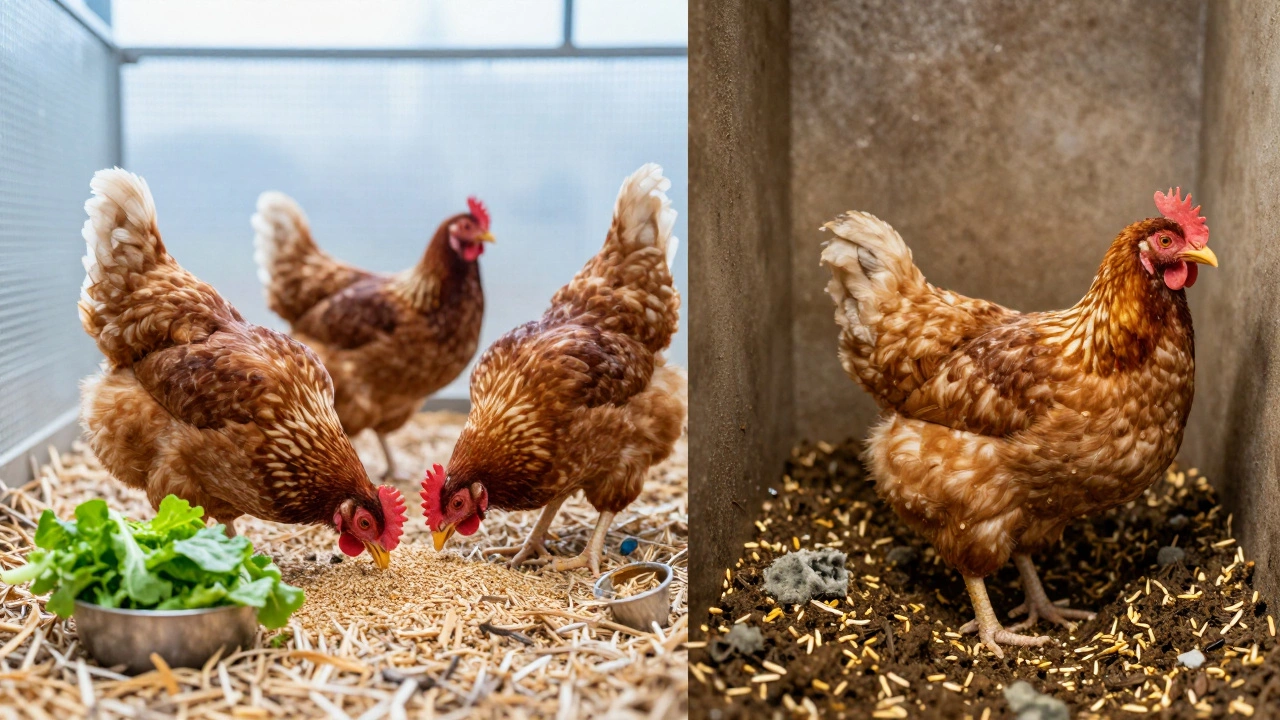
Once things stabilize, build resilience so it doesn’t happen again:
- Gradual transitions: Introduce new feeds slowly over 7-10 days. Mix old and new gradually.
- Limit treats: Cap supplemental feeding at 10-15% of total caloric intake. Treats aren’t nutrition-they’re rewards.
- Regular deworming: Schedule quarterly treatments during spring/fall when parasite pressure peaks.
- Coop hygiene: Clean out manure weekly. Disinfect surfaces monthly. Dry litter controls bacteria growth.
- Vaccination schedule: Protect against Marek’s, Newcastle, and Gumboro early in life. Prevention beats cure.
Real-Life Example: How I Fixed My Flock’s Problem
Last summer, my four hens started producing near-liquid droppings overnight. No blood, no obvious illness. First thought? Heatwave hitting Birmingham hard. Temps hit 32°C (90°F). I checked their water bowls-empty twice daily! Added ice cubes, moved feeders to shaded area, sprinkled misters outside. Within two days, consistency improved. Then I noticed they’d been gorging on zucchini slices I left out. Cut those back. Combined efforts worked fully within five days. Lesson learned: context matters. Always rule out environment before blaming bugs.
Is liquid chicken poop always a sign of disease?
No. Temporary liquidity often results from diet changes, heat, or stress. Only persistent cases accompanied by behavioral changes suggest illness.
Can human food cause liquid poop in chickens?
Yes. High-water-content items like cucumbers, melons, soups, or dairy products frequently lead to softer droppings. Limit these to small portions occasionally.
What should I do if my chicken has bloody poop?
Bloody droppings indicate potential coccidiosis or trauma. Isolate the bird immediately, treat with amprolium, and consult a veterinarian if condition persists beyond 48 hours.
Does wet litter harm chickens?
Absolutely. Damp environments promote bacterial growth, ammonia inhalation, and pododermatitis (foot bumps). Change litter promptly and ensure proper drainage.
Are certain chicken breeds prone to looser poop?
Some lighter breeds like Leghorns or Silkies may produce slightly less dense droppings due to faster metabolism. However, extreme liquidity still warrants investigation regardless of breed.