What Indian Food to Cook for American Guests? Easy Recipes That Wow
Spice Level Calculator for Indian Cooking
How Spicy Should Your Indian Meal Be?
Based on your guests' preferences, this tool calculates the perfect spice level for classic Indian dishes to ensure everyone enjoys the meal.
Your Recommended Spice Levels
Why This Matters
As the article explains: "Most traditional Indian meals balance heat with sweetness, creaminess, and acidity." Too much spice can overwhelm guests who assume Indian food is always hot. This tool helps you match the perfect balance for your guests.
When you’re cooking for American guests, the goal isn’t to impress them with exotic spices or complicated techniques-it’s to serve food they’ll actually enjoy. Too many people assume Indian food means fiery curries and strange ingredients, but the truth is, many Indian dishes are mild, comforting, and surprisingly familiar. Think creamy sauces, tender meats, warm bread, and rice that feels like home. The key is picking the right dishes and tweaking them just enough to feel welcoming, not overwhelming.
Start with Butter Chicken
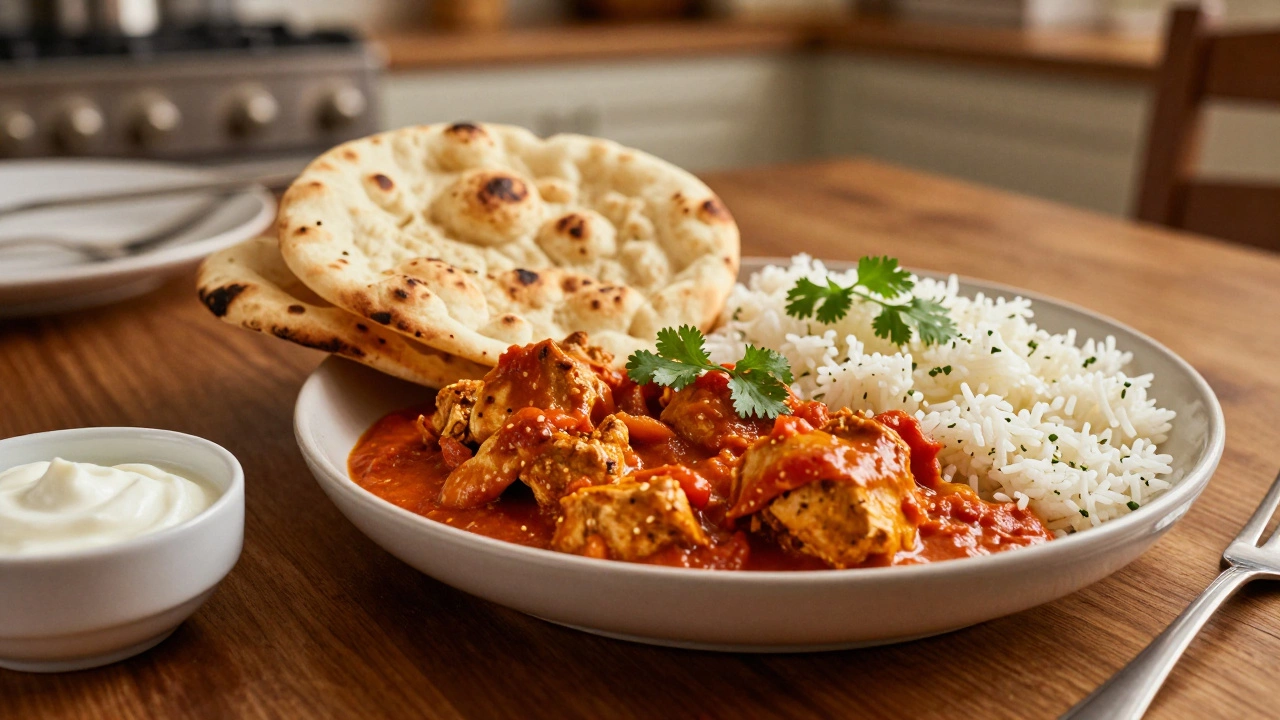
Butter chicken is the most reliable Indian dish to serve to first-time guests. It’s rich, creamy, and gently spiced with tomato, butter, and a whisper of cumin and garam masala. The chicken is tender, the sauce is smooth, and it’s served with fluffy naan or basmati rice. Americans love pasta in cream sauce-this is the Indian version. No one walks away from butter chicken saying, "That was too spicy." In fact, it’s so popular in the U.S. that many restaurants in Chicago and New York serve it as a signature dish. You can make it in under an hour: marinate chicken in yogurt and spices, grill or bake it, then simmer it in a sauce made from canned tomatoes, heavy cream, and a touch of honey. Done. It’s foolproof.
Try Palak Paneer for Vegetarians
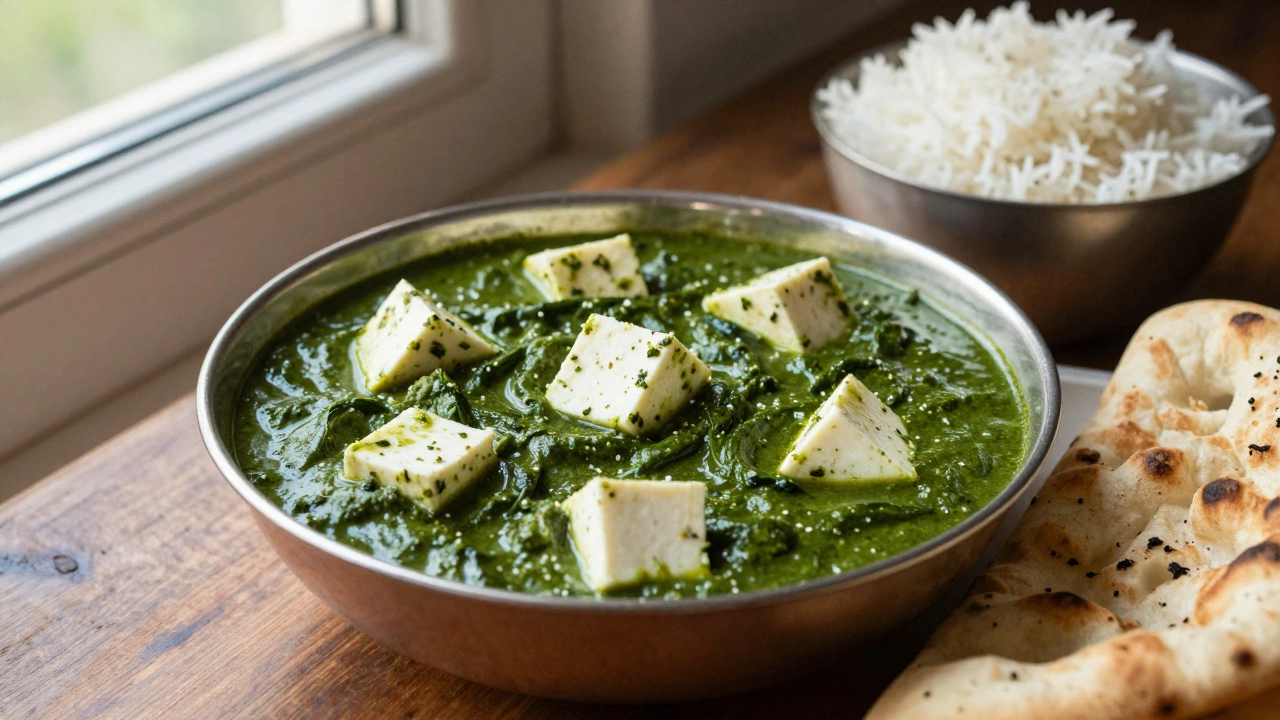
If someone in your group doesn’t eat meat, palak paneer is your best friend. It’s spinach cooked with soft Indian cottage cheese (paneer), garlic, ginger, and mild spices. The spinach blends into a silky green sauce that’s naturally sweet and earthy. Americans who think they don’t like "green food" often love this dish because the texture is creamy, not leafy. The paneer doesn’t melt-it holds its shape, giving you little cubes of mild, milky cheese that feel like a cross between tofu and mozzarella. Serve it with plain rice or garlic naan. Bonus: it’s packed with iron and protein, so it feels wholesome, not just "ethnic."
Offer Basmati Rice and Naan
Don’t skip the sides. Indian meals aren’t complete without rice and bread. Basmati rice is fragrant, long-grained, and fluffy-not sticky like sushi rice. Cook it with a pinch of cardamom and a splash of milk for a subtle sweetness that Americans find comforting. For bread, skip the chapati (which can be chewy) and go straight for naan. Store-bought naan works fine if you’re short on time. Warm it in the oven or on a skillet with a little butter. It’s the perfect tool for scooping up sauces. If you want to go the extra mile, brush it with garlic butter or sprinkle it with sesame seeds. People will ask for seconds.
Keep the Heat Low
A lot of American guests assume Indian food is always hot. It’s not. Most traditional Indian meals balance heat with sweetness, creaminess, and acidity. When cooking for guests, dial back the chili peppers. Use mild green chilies instead of red ones, or skip them entirely. If you’re using curry powder, choose a mild blend labeled "tandoori" or "butter chicken"-not "hot" or "extra spicy." Taste as you go. A little cayenne can be added at the end for those who want it, but don’t build heat into the base. Serve a small bowl of plain yogurt on the side. It’s the perfect cooling counterpoint.
Include a Simple Lentil Dish
Dal is the backbone of Indian home cooking. It’s cheap, nutritious, and deeply satisfying. For guests, use yellow lentils (masoor dal) because they’re mild and cook quickly. Simmer them with turmeric, cumin, and a splash of lemon juice. Top it with a tadka-a quick fry of garlic, ginger, and a pinch of mustard seeds in ghee. The smell alone will draw people in. Americans love lentils in soups and stews, so this won’t feel foreign. Serve it in a small bowl alongside rice. It’s the kind of dish people remember because it’s warm, simple, and full of flavor without being loud.
Sweeten the Deal with Gulab Jamun
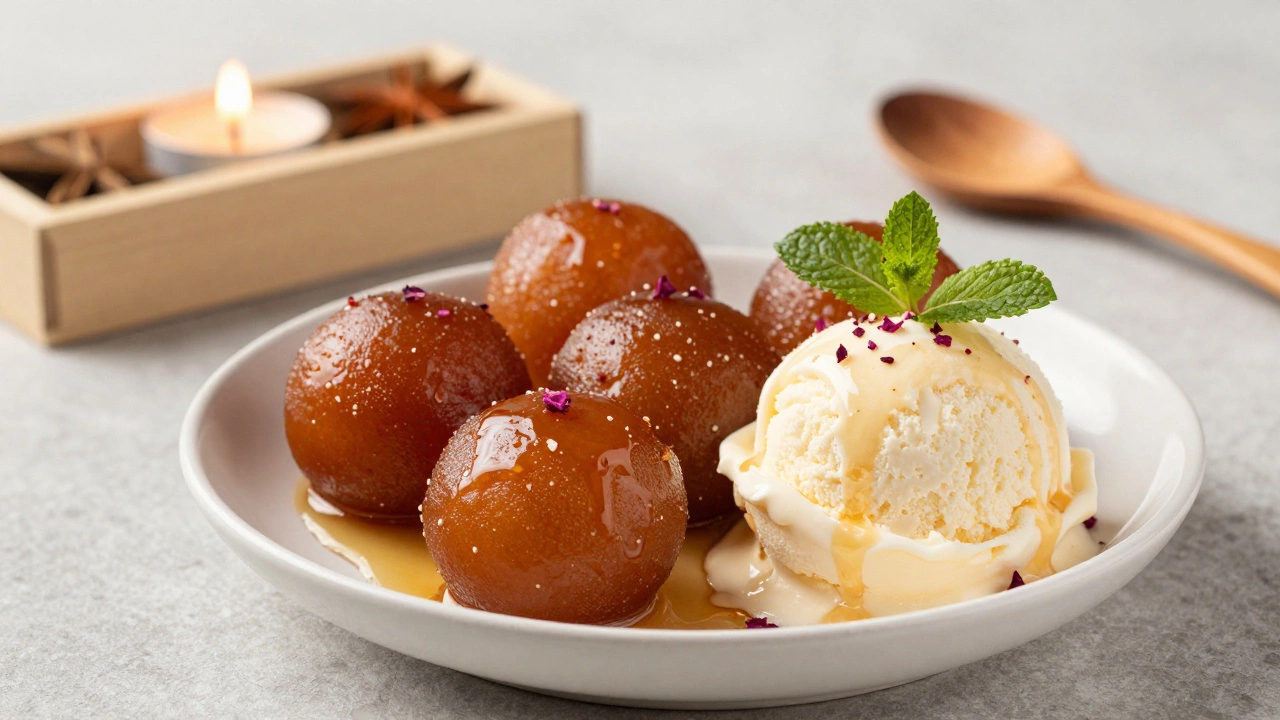
End the meal with something sweet. Gulab jamun-soft, fried dough balls soaked in syrup-is the classic choice. It’s not too sugary, and the texture is like a cross between a donut hole and a marshmallow. You can buy them frozen and heat them up in minutes, or make them from scratch with milk powder, flour, and a little baking soda. The syrup? Just sugar, water, and a drop of rose water. Serve them warm, with a scoop of vanilla ice cream. It’s the dessert that turns "That was nice" into "I need the recipe."
What Not to Serve
Some dishes are best saved for Indian friends. Skip vindaloo-it’s fiery, sour, and packed with vinegar and chili. Avoid raw chutneys with green mango or tamarind unless you’re sure your guests like sour flavors. Don’t serve paneer tikka on skewers without offering a sauce to dip it in-dry grilled cheese can feel bland. And skip the samosas if you’re serving a large group-they’re messy to eat and often too oily. Stick to the clean, comforting, saucy dishes. They’re the ones that make people say, "I didn’t know Indian food could be this good."
Shopping List for Your First Indian Dinner
- Chicken thighs (boneless, skinless)
- Canned crushed tomatoes
- Heavy cream or coconut milk
- Paneer (available in most grocery stores now)
- Spinach (fresh or frozen)
- Basmati rice
- Naan bread (store-bought is fine)
- Yellow lentils (masoor dal)
- Garam masala, cumin, turmeric, coriander
- Yogurt (plain, full-fat)
- Milk powder (for gulab jamun)
- Vanilla ice cream
Pro Tips for Success
- Marinate the chicken overnight if you can-it makes a huge difference.
- Toast your spices in oil before adding liquids. It unlocks their flavor.
- Use a heavy-bottomed pot for dal. It prevents burning.
- Let the butter chicken sauce simmer for at least 20 minutes. Flavor deepens with time.
- Keep the garlic and ginger paste ready in the fridge. It saves time.
- Have yogurt, lemon wedges, and chopped cilantro on the table for garnish.
Why This Works
Indian food has been misunderstood in the U.S. for decades-not because it’s hard, but because it’s been overspiced, overfried, or served without context. When you cook for American guests, you’re not introducing them to a foreign cuisine. You’re showing them a version of comfort food they already love: creamy sauces, soft textures, balanced flavors, and warm bread. The spices? They’re just seasoning. The technique? It’s simple. And the result? People will ask when you’re doing it again.
Is Indian food always spicy?
No, Indian food isn’t always spicy. Many popular dishes like butter chicken, palak paneer, and dal are mild and creamy. Heat is optional and can be added at the table with chili flakes or fresh chilies. Most Indian meals balance spice with sweetness, acidity, and creaminess to create depth, not just heat.
Can I use store-bought curry powder?
Yes, but choose wisely. Look for brands labeled "mild" or "butter chicken"-avoid "hot" or "extra spicy" blends. Many store-bought powders are too strong or contain fillers. For better flavor, buy individual spices like cumin, coriander, turmeric, and garam masala, and mix them yourself. It’s cheaper and tastes fresher.
What if I can’t find paneer?
Substitute with firm tofu or halloumi. Tofu works well in palak paneer if you press out the water and lightly fry it first. Halloumi has a similar texture and holds up when grilled, though it’s saltier. Neither is identical, but they’ll still make a delicious, satisfying dish.
How far ahead can I prepare Indian dishes?
Most Indian dishes taste even better the next day. Butter chicken, dal, and palak paneer can be made 2-3 days ahead and stored in the fridge. Reheat gently on the stove with a splash of water or cream to restore texture. Naan and rice are best fresh, so make those on the day you serve.
Do I need special equipment to cook Indian food?
No. A regular pot, skillet, and wooden spoon are enough. A heavy-bottomed pan helps prevent burning, especially for dal. A mortar and pestle for grinding spices is nice but not necessary-pre-ground spices work fine. You don’t need a tandoor, clay pot, or spice grinder to make great Indian food at home.
Next Steps
Start with butter chicken and palak paneer. They’re the gateway dishes. Once your guests ask for seconds, you can slowly add more-maybe a side of mango chutney, or a simple raita (yogurt with cucumber and mint). Don’t try to cook five dishes at once. One main, one side, one bread, one dessert-that’s a perfect Indian meal. Keep it simple. Keep it warm. And remember: Indian food isn’t about exoticism. It’s about flavor, comfort, and sharing.