Fine Food Manufacturing India: Food Processing, Paneer, Biryani & More
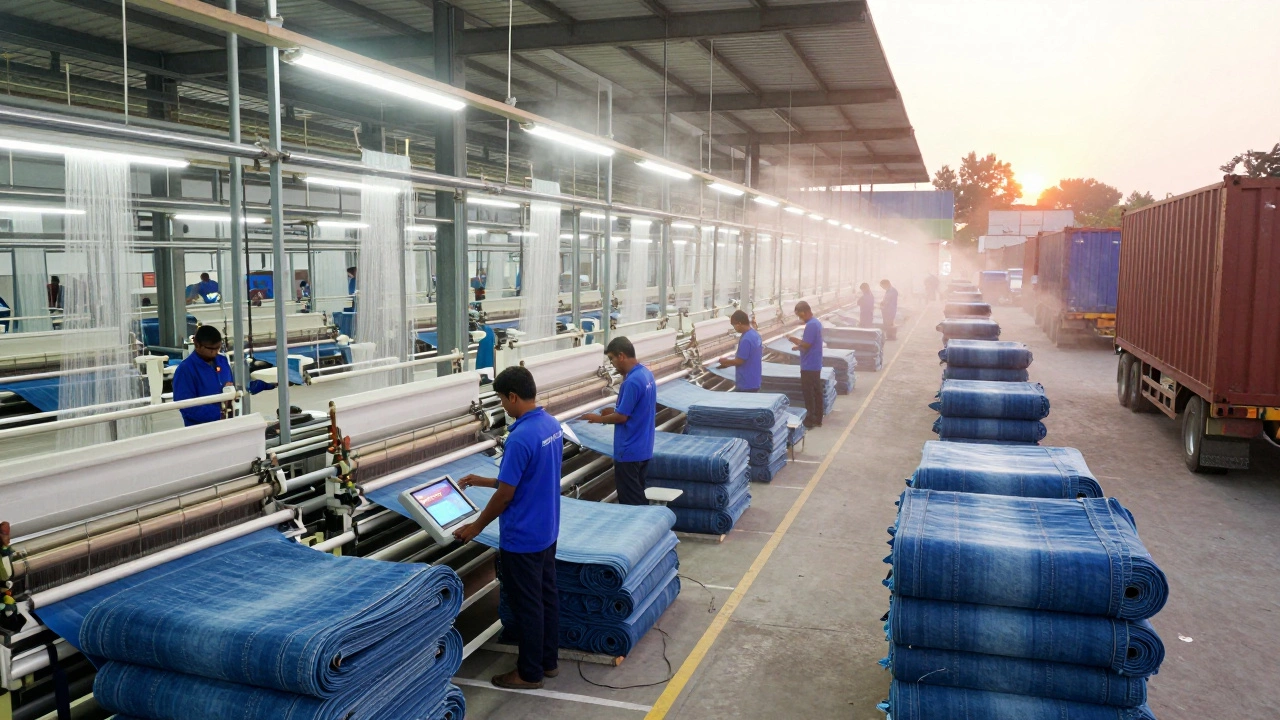
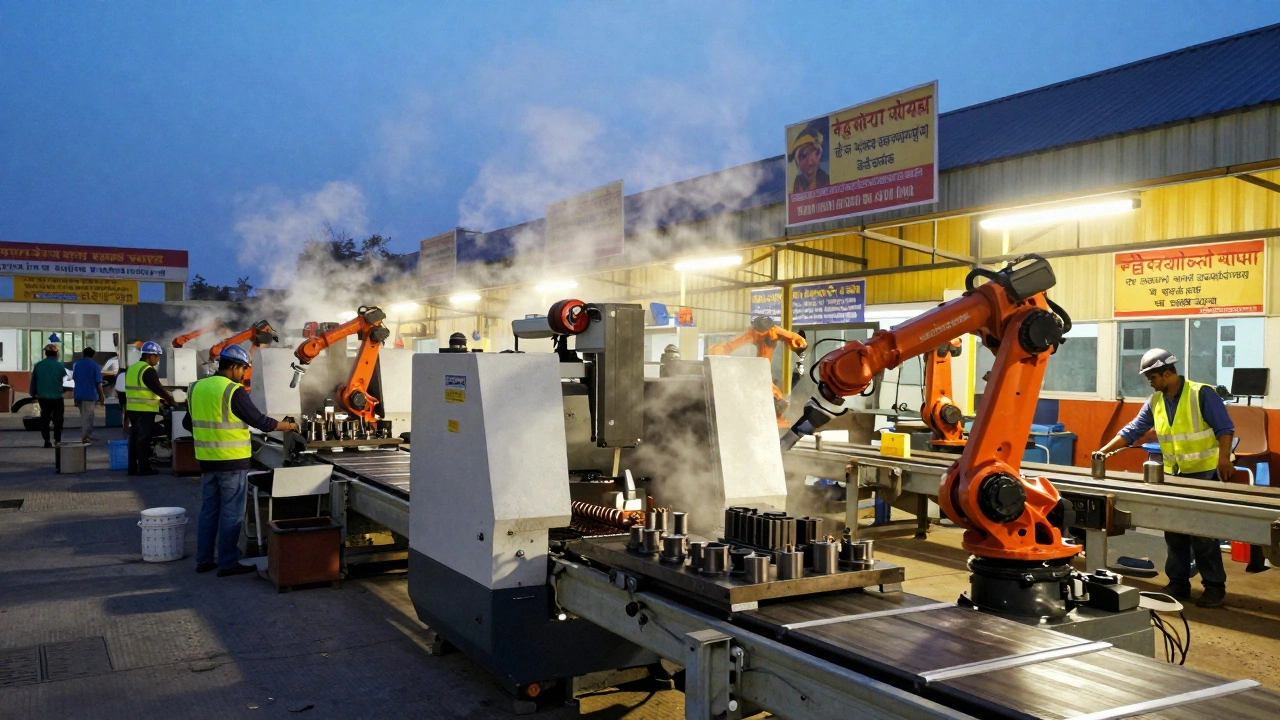
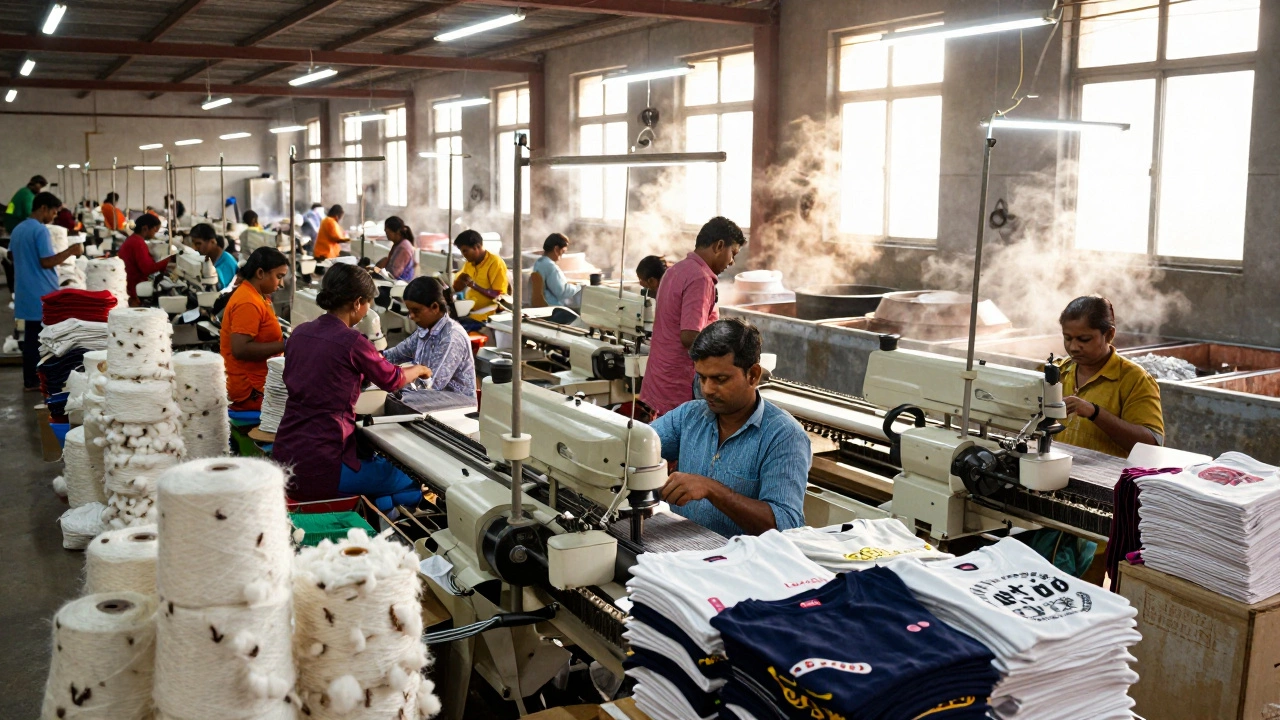
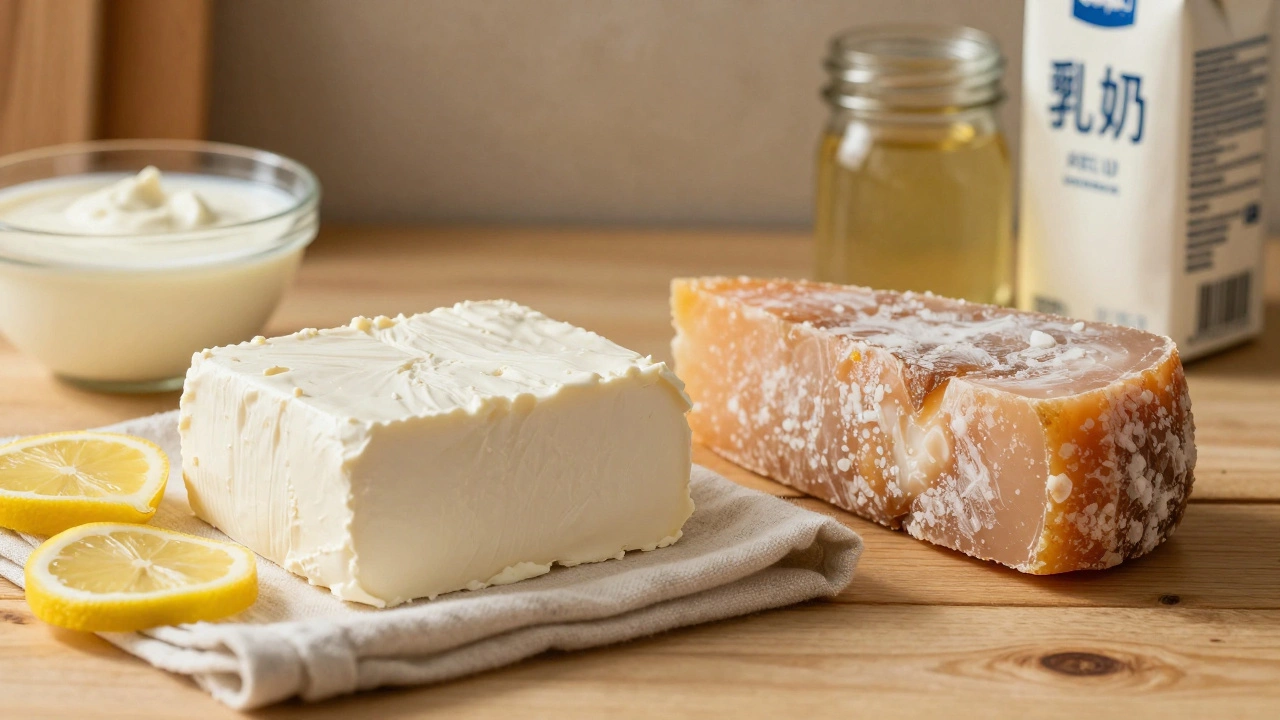
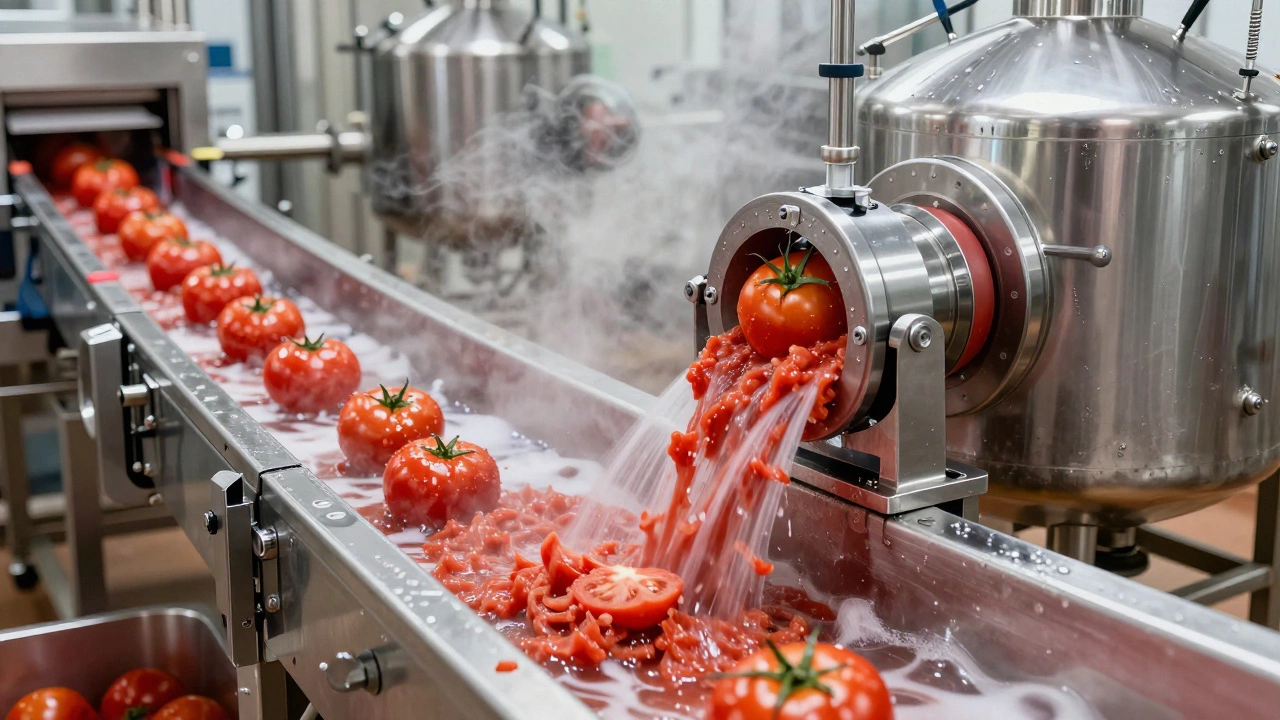
When you buy packaged Indian snacks, yogurt, or ready-to-eat meals, you're seeing the result of food manufacturing, the industrial process of turning raw ingredients into safe, consistent, shelf-stable food products. Also known as food processing, it includes steps like pasteurization, drying, and packaging—each one a unit operation, a standardized physical step used to change food texture, remove moisture, or kill bacteria. These aren’t just factory tricks—they’re the same principles behind making paneer, a fresh Indian cheese made by curdling milk with acid at home.
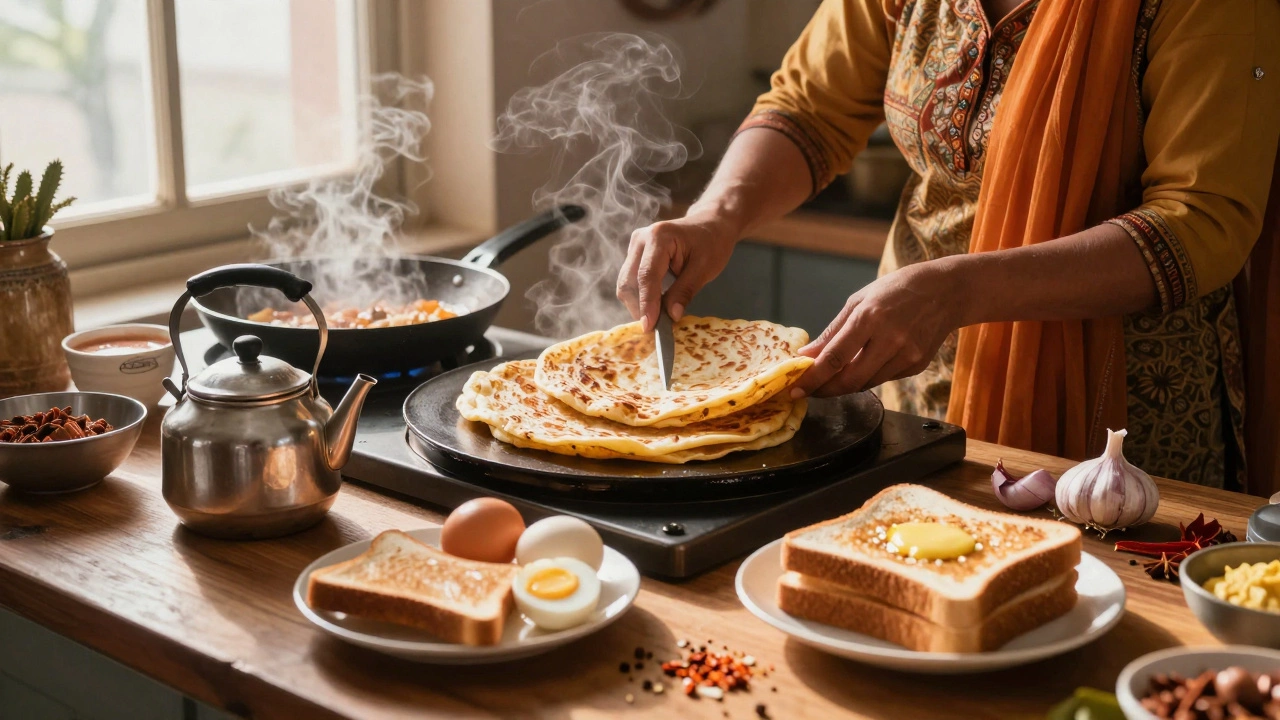
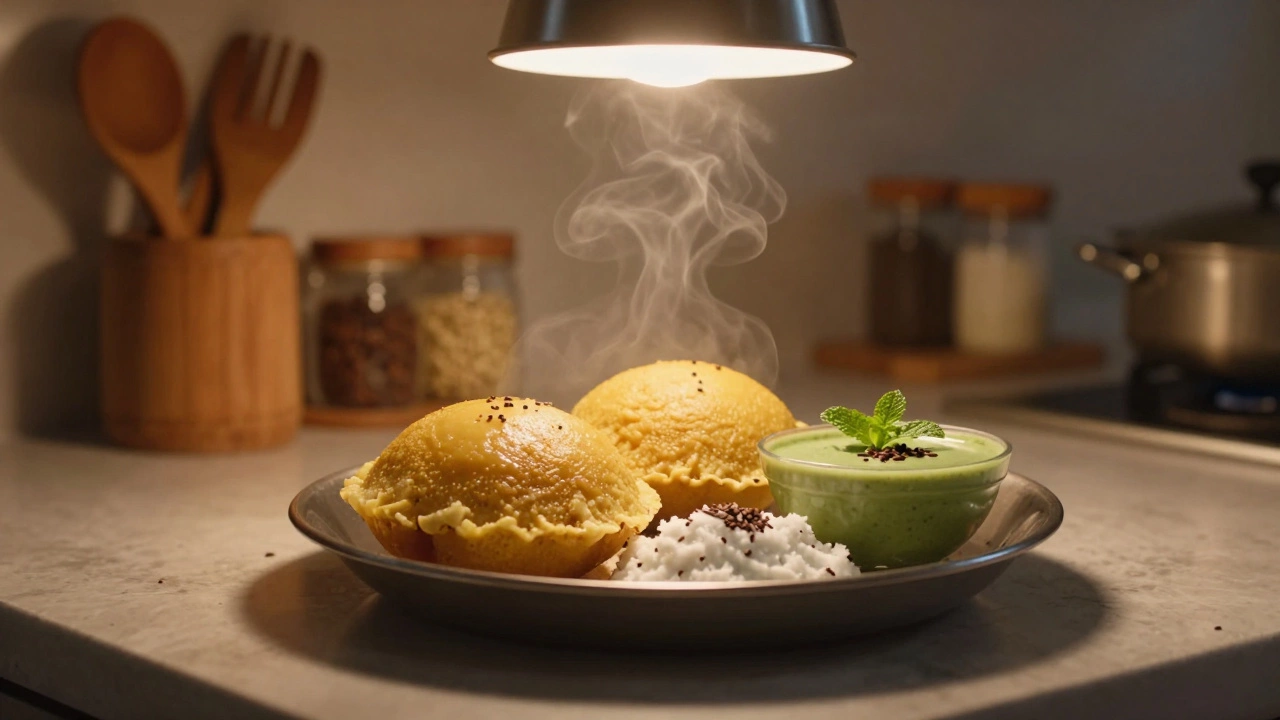
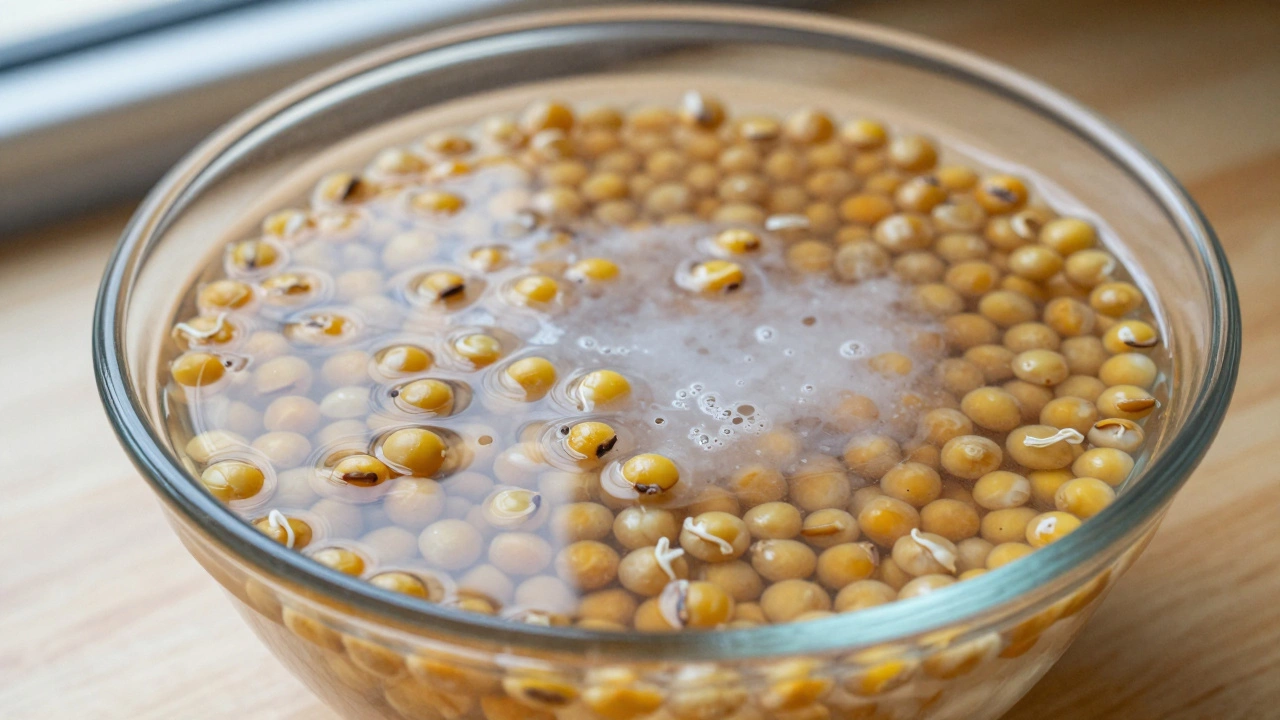
What makes Indian food manufacturing unique is how deeply it ties to daily life. From the slow-cooked biryani, a layered rice dish where steam and spice balance define perfection in homes across the country, to the precise soaking times for urad dal, a key ingredient in dosa batter that needs just the right soak to ferment properly, food isn’t just made—it’s understood. This site brings together the science of production and the soul of tradition, showing you how factory methods and kitchen wisdom overlap.
You’ll find real guides on how to fix rubbery paneer, why roti doesn’t need baking powder, and what chemicals actually drive India’s food supply chain. No fluff. Just what works.