Indian Cheese: What It Is, How It's Made, and Why It Matters
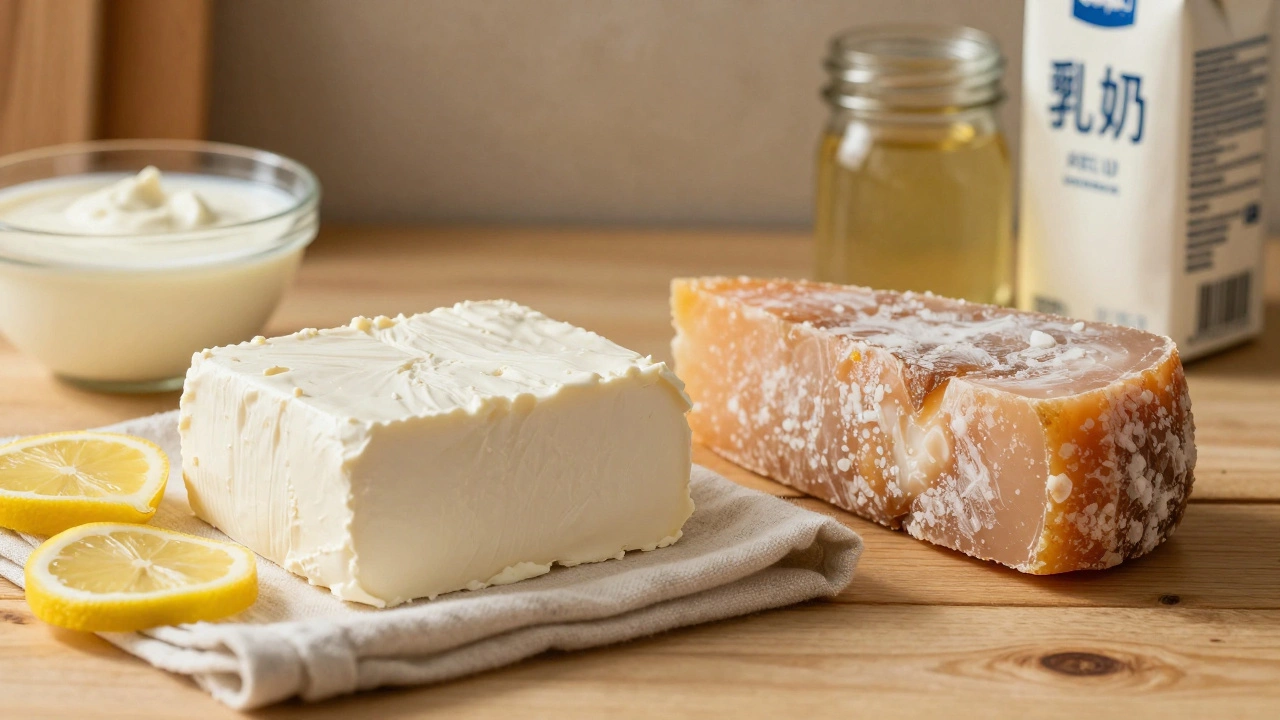
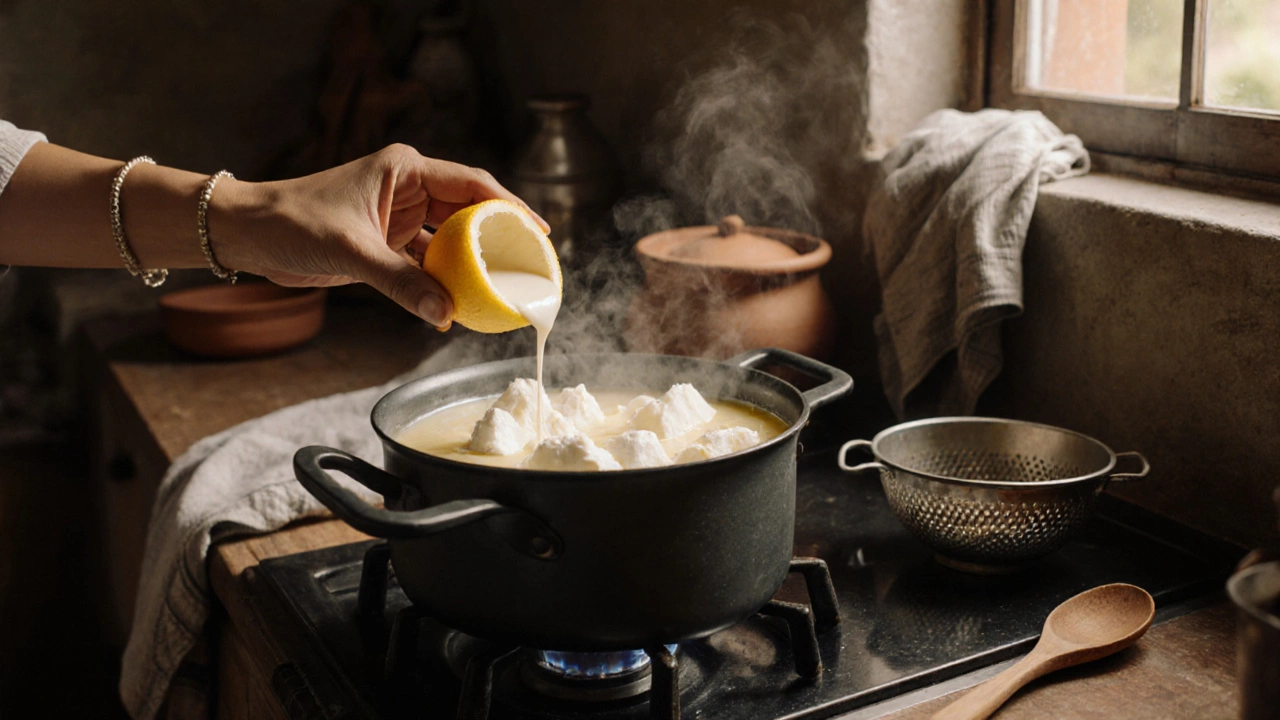
When you think of Indian cheese, a fresh, unaged dairy product central to home cooking and restaurant curries across India. Also known as paneer, it doesn’t melt like cheddar or age like mozzarella. It’s firm, crumbly, and soaked in spice-rich gravies—made by boiling milk and curdling it with lemon juice or vinegar. No rennet. No aging. Just milk, heat, and patience. This is the cheese that feeds millions every day, from street-side tikkas to home-cooked palak paneer.
What makes paneer, a type of Indian cheese made by acid-coagulating milk. Also known as chhena in eastern India, it so different from the cheeses you find in supermarkets? It’s not about culture alone—it’s about technique. The milk used is usually whole, often from buffalo or cow, and never ultra-pasteurized. Too much heat before curdling kills the proteins needed for a good texture. That’s why homemade paneer often tastes better than store-bought: it’s made with fresh milk, the right temperature, and a gentle press. And if you’ve ever bitten into rubbery paneer, you know why soaking it in warm water for 10 minutes before cooking makes all the difference—it rehydrates the proteins and brings back that soft, spongy bite.
There’s more to milk to paneer conversion, the ratio of milk needed to produce a specific amount of cheese than you think. You need about 1 liter of milk to get 200 grams of paneer. That’s why large-scale producers in Punjab and Gujarat run massive dairies—every drop counts. And it’s not just about volume. The fat content, the time of day the milk is collected, even the breed of cow—all affect the final product. Some farmers in Rajasthan still use clay pots to boil milk, believing it adds a subtle earthiness. It’s not magic. It’s tradition, refined over generations.
Indian cheese doesn’t live in a vacuum. It’s tied to the rise of home cooking, the demand for clean-label foods, and the slow rejection of processed substitutes. You won’t find preservatives in real paneer. No gums. No stabilizers. Just milk and acid. That’s why people are going back to making it themselves—especially after seeing how easy it is with just a pot, a strainer, and a heavy weight. And if you’ve ever wondered why restaurant curries taste richer, it’s often because they use paneer made fresh that morning, not the pre-packaged blocks that sit on shelves for weeks.
What you’ll find below isn’t just recipes. It’s the real talk about what works—and what doesn’t—when you’re making cheese at home. From the exact amount of milk you need to get a solid block, to why skipping the soak turns paneer into chewy disappointment, to how the same process that makes paneer can also create chhena for rasgulla. These aren’t theory pieces. These are the posts people actually use in their kitchens, day after day, to get it right.