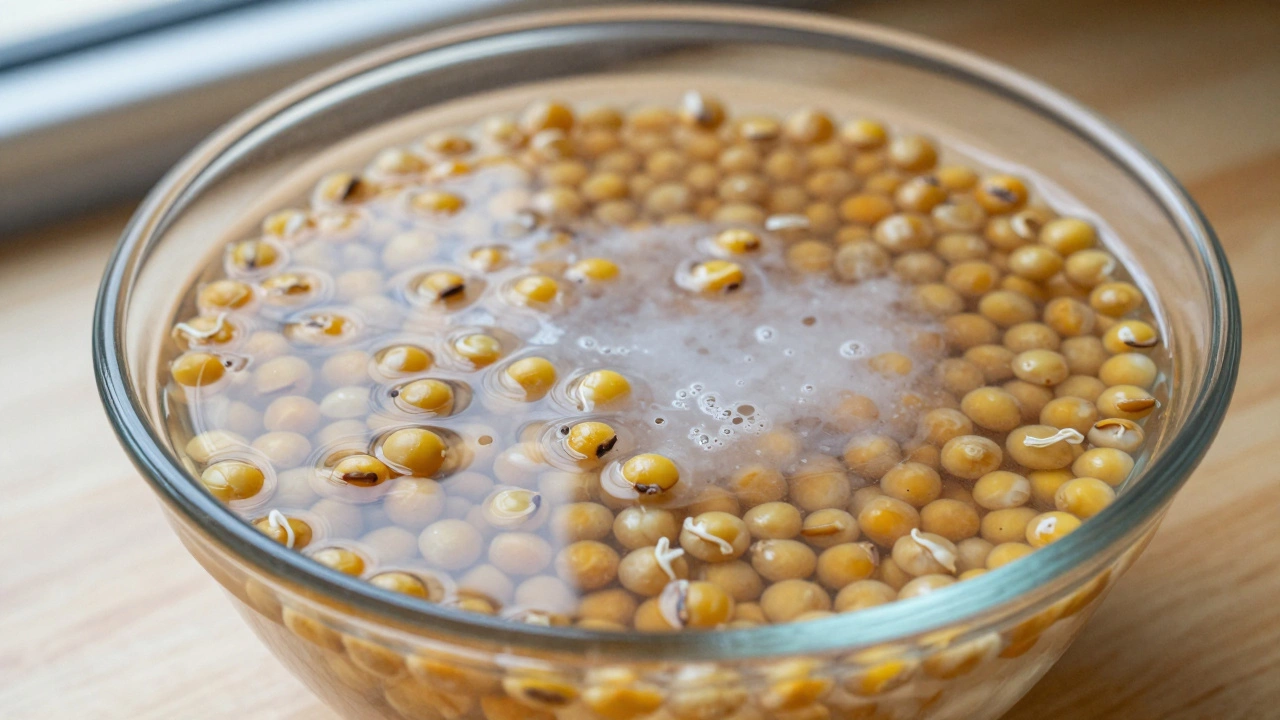
How Long to Soak Urad Dal for Perfect Dosa Batter
Soak urad dal for 6 to 8 hours for fluffy, crisp dosas. Too short and the batter won't ferment; too long and it turns slimy. Learn the right time, water tips, and seasonal fixes.
When you think of a dosa batter recipe, a fermented blend of rice and urad dal used to make crispy, golden South Indian pancakes. Also known as fermented rice batter, it’s the foundation of one of India’s most loved breakfasts—light, tangy, and endlessly versatile. This isn’t just a mix of ingredients. It’s a living process. The right batter rises, bubbles, and transforms overnight thanks to natural microbes, not yeast or baking powder. Get this step wrong, and your dosa turns rubbery. Get it right, and it’s crisp at the edges, soft inside, and ready to hold spiced potatoes, chutney, or even cheese.
The magic starts with two key ingredients: raw rice, short-grain, unpolished rice that holds starch well for texture and urad dal, hulled black gram lentils that whip into a fluffy, sticky paste. The classic ratio? Four parts rice to one part urad dal. That’s it. No flour. No baking soda. Just soaking, grinding, waiting, and trusting nature. The batter needs at least 8 to 12 hours in a warm place—like near a stove or in a turned-off oven with the light on. In colder climates, it might take two days. You’ll know it’s ready when it doubles in volume, smells slightly sour, and has tiny bubbles all over the surface.
Many people skip the grinding step and buy ready-made batter. But store-bought often lacks the depth of flavor and texture you get from fresh grinding. A wet grinder is ideal—it keeps the batter cool and smooth. If you’re using a blender, grind in small batches and add water slowly. Too much water? Your dosa will tear. Too little? It’ll be thick and doughy. And don’t forget the salt. Add it after fermentation, not before. Salt slows down the microbes, and you want them working hard.
What makes a dosa batter recipe truly great isn’t just the ingredients—it’s the control you have over the process. Temperature. Time. Consistency. These are the real secrets. You don’t need fancy tools. Just a clean bowl, a grinder, and patience. The same batter that makes dosas also works for idlis, uttapams, and even pancakes. Once you master this, you’re not just making breakfast—you’re connecting to a tradition that’s been passed down for generations in homes across Tamil Nadu, Karnataka, and Kerala.
Below, you’ll find real, tested methods from people who make this daily—not just for guests, but for their families. Whether you’re troubleshooting a batter that didn’t rise, trying to cut fermentation time, or just want to know why your dosa sticks to the pan, the posts here give you the exact fixes that work. No fluff. No theory. Just what happens when you follow the steps right.
Soak urad dal for 6 to 8 hours for fluffy, crisp dosas. Too short and the batter won't ferment; too long and it turns slimy. Learn the right time, water tips, and seasonal fixes.
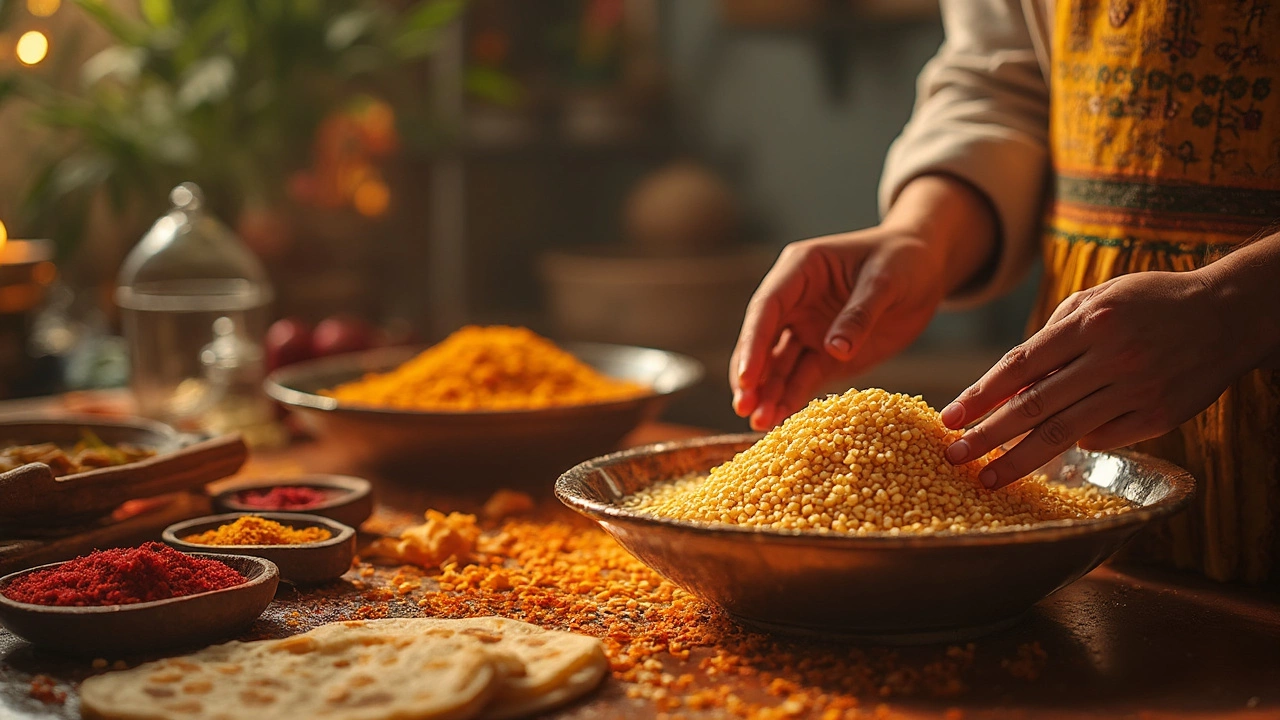
Ever wondered how long you need to soak urad dal to make the perfect dosa batter? Here's everything you need to know. This guide explores the ideal soaking time for urad dal, offers tips for achieving the right batter consistency, and shares some clever hacks to speed up the process. Whether you're a dosa newbie or a seasoned cook, this article ensures you're well-prepared for your next dosa-making adventure.