Which Industries Are Defined as Small Scale Industries?

MSME Classification Calculator
Enter your total investment in Plant & Machinery (in Lakhs) to check your enterprise category under the current MSME definition.
Enter investment value to see results
You’re standing in a warehouse that smells of hot metal and machine oil. You’ve just installed your first CNC lathe, or maybe you’re packing spices into jars for the local market. You feel like a big deal, but when you apply for a government subsidy or a bank loan, someone asks: "Are you small scale?" It’s a confusing question because "small" feels relative. Your neighbor has ten employees; you have five. Who is smaller?
Here is the hard truth: In many countries, especially in India where this term carries significant weight, "Small Scale Industry" isn’t about how many people work for you. It’s about money. Specifically, it’s about how much cash you put into machines and buildings. If you cross certain financial thresholds, you stop being "small" in the eyes of the law, regardless of how modest your office looks.
| Category | Investment Limit (Plant & Machinery) | Turnover Limit | Primary Benefit |
|---|---|---|---|
| Micro Enterprise | Up to ₹1 Crore | Up to ₹5 Crore | Easiest compliance, priority lending |
| Small Enterprise | ₹1 Crore to ₹10 Crore | ₹5 Crore to ₹50 Crore | Tax benefits, export incentives |
| Medium Enterprise | ₹10 Crore to ₹50 Crore | ₹50 Crore to ₹250 Crore | Scale-up support, reduced tax rates |
The Money Talks: Why Investment Limits Matter More Than Headcount
For decades, we thought size meant people. If you had fewer than 10 workers, you were small. That changed globally and specifically in India with the MSME Act which redefined enterprises based on investment in plant and machinery rather than employment. This shift happened because technology made factories efficient. You don’t need fifty guys turning screws anymore; you need one robot arm and a skilled technician. But that robot arm costs more than the salaries of those fifty guys combined.
So, if you are setting up a manufacturing unit, the government looks at your balance sheet, not your payroll register. They calculate the original cost of your plant and machinery. Note the word "original." Depreciation doesn’t count here. If you bought a machine for ₹5 lakhs ten years ago, it still counts as ₹5 lakhs against your limit today, even if it’s worth ₹50,000 now. This prevents older businesses from artificially shrinking their value to stay "small."
Why does this matter to you? Because crossing these lines changes your tax bracket, your access to cheap credit, and your eligibility for reserved products. If you accidentally spend too much on equipment, you might lose subsidies you didn’t know you had. It’s a silent trap for growing entrepreneurs who reinvest profits aggressively.
Sector-Specific Breakdown: Where Do You Fit?
Not all industries fit neatly into the same box. The definition applies broadly, but the practical application varies wildly depending on what you make. Let’s look at the heavy hitters in the small-scale space.
Textiles and Apparel
This is arguably the largest employer in the small-scale sector. From handloom weavers in Varanasi to power-loom operators in Surat, most textile units fall under Micro or Small categories. Why? Because the entry barrier is low. A single power loom costs a fraction of an automobile stamping press. However, the turnover can be massive. A small workshop can process tons of fabric daily. The challenge here is often raw material costs. Cotton prices fluctuate, squeezing margins. If you are in textiles, keep strict records of your machinery invoices. Mixing personal assets with business assets can push your "investment" number up unexpectedly, disqualifying you from small-scale status.
Food Processing and Agri-Business
If you are making pickles, grinding flour, or packaging snacks, you are likely a small-scale industry. The machinery here-mixers, sealers, ovens-is relatively affordable. But watch out for cold storage. If you invest heavily in refrigeration units to store inventory, that capital expenditure adds up fast. Many food processors start as micro-enterprises and quickly jump to small-enterprise status once they install industrial-grade chillers. The benefit? Food processing often enjoys higher caps on investment limits compared to other sectors in some state-specific schemes, acknowledging the high cost of hygiene-compliant infrastructure.
Engineering and Auto Components
This is where things get tricky. Making bolts, nuts, gears, or simple engine parts requires precision tools. Lathes, milling machines, and casting furnaces are expensive. A single CNC machine can cost more than the entire budget allowed for a micro-enterprise. Therefore, many engineering units start as Small Enterprises immediately. They rarely qualify as Micro unless they are very niche or service-oriented. The advantage here is stability. Once you are qualified as a supplier to larger automotive companies, your order book is predictable. The risk? Obsolescence. If your machine becomes outdated, replacing it might push you over the ₹10 Crore limit into Medium territory, changing your tax liabilities.
Plastics and Polymers
Molded plastic products-from water bottles to electrical casings-are everywhere. Injection molding machines are the heart of this industry. These machines range from ₹5 lakhs for small manual units to ₹50 lakhs for automated ones. Most plastic manufacturers hover in the Small Enterprise category. The environmental regulations are tightening, though. Investing in waste recycling units adds to your plant and machinery value. If you add a recycling line to your existing shop, check if it pushes you over the limit. Some states offer exemptions for green technology investments, so always ask before you buy.
The Hidden Traps: What Doesn't Count (And What Does)
Entrepreneurs often mess up the calculation by including the wrong things. Let’s clear the air.
- Land and Building: Generally, the value of land and the building itself is excluded from the "plant and machinery" calculation. If you own a factory shed worth ₹2 Crores, that doesn’t necessarily push you out of the small-scale bracket, provided your machines are under the limit. However, if the building is customized specifically for your machinery (like a reinforced floor for heavy presses), auditors might argue it’s part of the plant. Keep separate accounts.
- Leased Equipment: If you lease a machine, do you count its value? Usually, yes, if the lease is effectively a hire-purchase agreement leading to ownership. Pure operating leases might be treated differently, but rules vary by jurisdiction. Don’t guess; consult a CA.
- Work-in-Progress: Raw materials sitting in your warehouse? Those don’t count as plant and machinery. Only fixed assets do. This is good news for traders who hold large stock but use minimal equipment.
Another common mistake is ignoring group companies. If you own three separate small shops, but they are controlled by the same family or entity, the government may club their investments together. If Shop A has ₹4 Crores in machines and Shop B has ₹8 Crores, you aren’t two small businesses; you are one medium-sized conglomerate trying to game the system. Transparency saves you from penalties later.
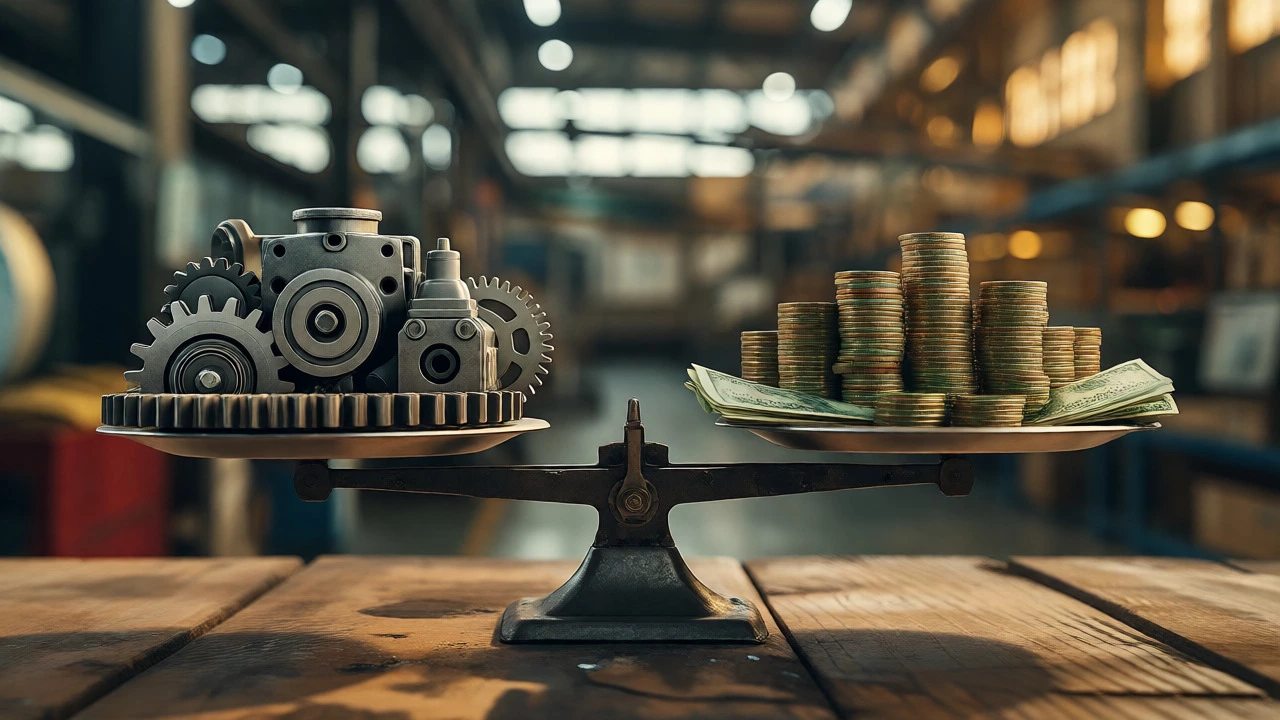
Benefits of Being Classified as Small Scale
Why bother with all this paperwork? Because the perks are real money.
Credit Access: Banks are mandated to lend a certain percentage of their loans to MSMEs. As a small-scale unit, you get priority sector lending. Interest rates are often lower, and collateral requirements are relaxed. For a startup, this is lifeline. You might get a loan based on your projected sales rather than your property deeds.
Tax Holidays and Subsidies: Depending on your location (special economic zones, backward areas) and sector, you might get income tax exemptions for the first few years. There are also subsidies for power tariffs. Electricity is a huge cost for manufacturing. Getting a subsidized rate can improve your net margin by 2-3%, which is massive in thin-margin industries like steel or plastics.
Procurement Preference: Government contracts often reserve a portion of purchases exclusively for small-scale industries. If you make office chairs or uniforms, you don’t have to compete directly with multinational giants. You get a protected market share. This helps stabilize cash flow during economic downturns.
How to Verify Your Status
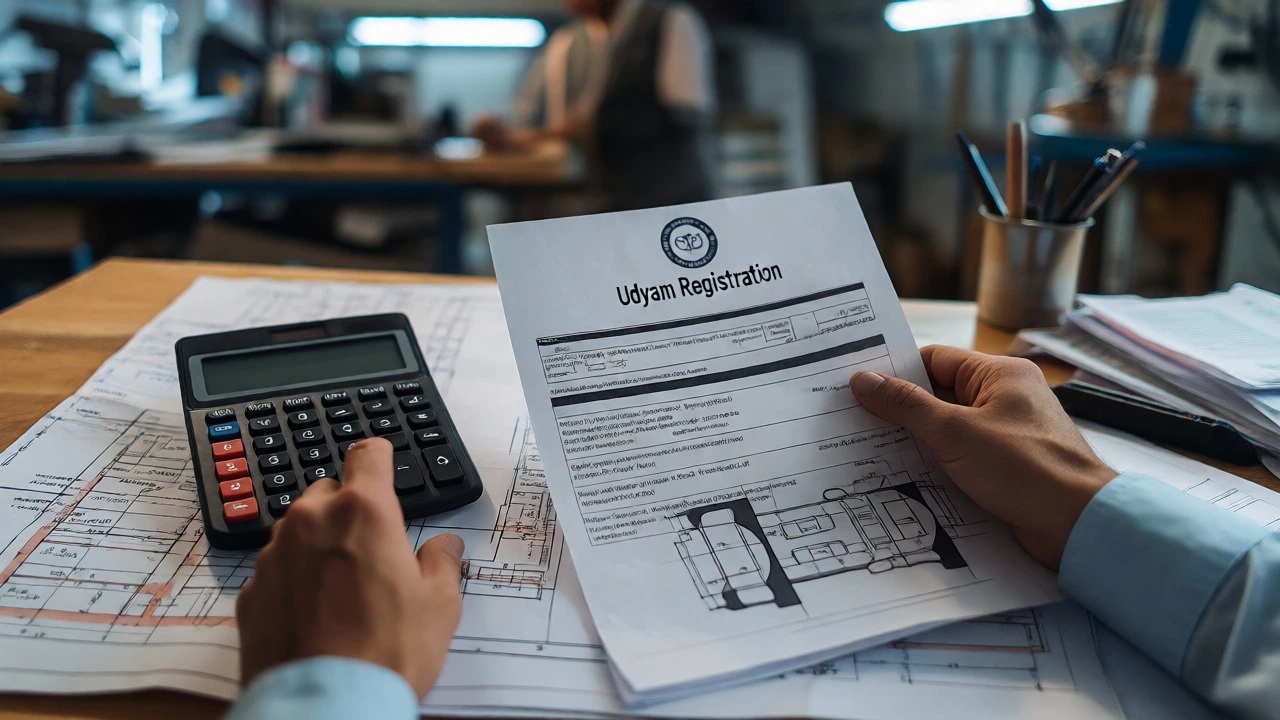
You don’t just declare yourself small scale. You need proof. In India, this involves registering on the Udyam Registration portal which replaced the old Udyog Aadhaar Memorandum system. This is a free, online process. You provide your PAN and GSTIN. The system auto-populates your details.
Once registered, you get a certificate. Keep this safe. You will need it for:
- Opening current accounts with better terms.
- Applying for government tenders.
- Claiming protection against delayed payments (large buyers must pay you within 45 days or face interest penalties).
- Getting insurance coverages tailored for small businesses.
If your investment crosses the threshold, update your registration. Failing to update can lead to clawbacks of subsidies. Imagine getting a ₹5 lakh subsidy, then realizing your new machine pushed you into the next category, and having to repay it with interest. It happens more often than you think.
Beyond India: A Global Perspective
If you are reading this from outside India, the logic holds, but the numbers differ. In the European Union, a "Small Enterprise" is defined as having fewer than 50 employees and an annual turnover not exceeding €10 million. Here, headcount matters again. In the United States, the Small Business Administration uses industry-specific revenue ceilings. For software development, you can have $47 million in revenue and still be "small." For grocery stores, the cap is $47 million too, but for wholesale trade, it might be different.
The key takeaway across borders: There is no universal definition. Always check the specific regulatory body governing your country’s SME policies. In the UK, for instance, HMRC looks at turnover and balance sheet totals for VAT purposes, but "small business" status for grants is often grant-specific.
Final Thoughts: Play the Long Game
Being a small-scale industry isn’t a life sentence; it’s a phase. It’s a launchpad. The goal is to grow, but growing means navigating these definitions carefully. Don’t fear the limits; understand them. Use the benefits while you have them to build a robust foundation. When you eventually cross the threshold into medium or large scale, you’ll do so with stronger systems, better brand recognition, and healthier cash flows.
Start by auditing your current assets. List every machine, tool, and piece of equipment. Add up the original purchase prices. Compare that number to the official limits in your region. If you are close to the edge, plan your next expansion wisely. Maybe you lease instead of buy. Maybe you outsource non-core processes. Strategic planning keeps you eligible for help when you need it most.
Does the value of land count towards the small scale industry investment limit?
Generally, no. The investment limit typically applies only to plant and machinery. Land and building values are usually excluded from the calculation, allowing businesses with owned premises to remain classified as small scale even if their property value is high.
Can a service provider be considered a small scale industry?
Yes, modern definitions like the MSME framework include both manufacturing and service sectors. While traditional "industry" implied manufacturing, services such as IT, consulting, and logistics are now fully included under small enterprise classifications, often with similar investment or turnover criteria.
What happens if my investment exceeds the small scale limit?
If your investment in plant and machinery exceeds the upper limit for a Small Enterprise, you are reclassified as a Medium Enterprise. This may result in losing specific subsidies, facing higher tax rates, and losing priority lending status. You must update your registration to reflect this change.
Do leased machines count towards the investment limit?
It depends on the nature of the lease. Hire-purchase agreements where ownership transfers to you are usually counted. Pure operating leases might not be included in the capital investment calculation, but regulations vary. Always verify with local guidelines or a chartered accountant.
Is employee count irrelevant for small scale classification?
In many jurisdictions like India, yes. The current focus is on investment and turnover. However, some countries and specific incentive schemes still consider headcount. Check your local laws, but don't assume hiring more staff automatically disqualifies you from small-scale status.