Small Scale Industries in India: What They Are and Why They Matter
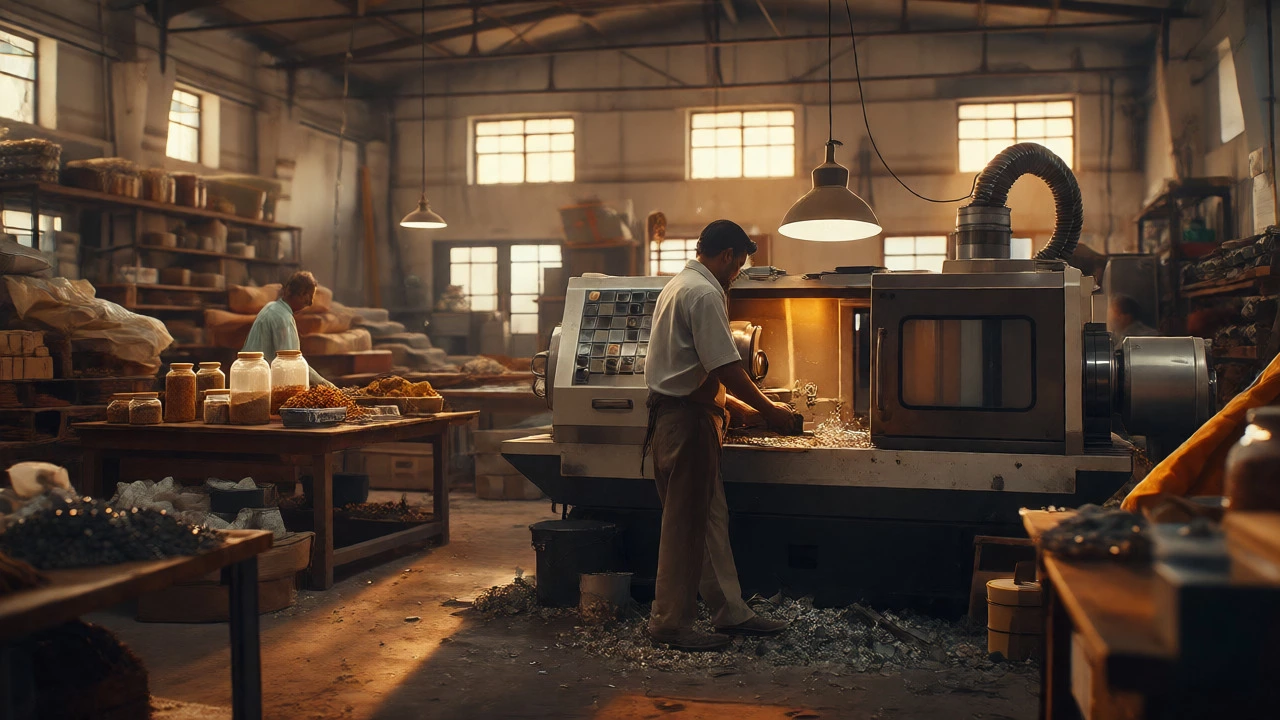
When you think of manufacturing in India, you might picture big factories with hundreds of workers. But the real heartbeat of Indian industry? small scale industries, businesses that operate with limited capital, fewer than 50 employees, and often produce goods locally using simple machinery. Also known as micro or cottage industries, these are the shops, kitchens, and workshops that turn milk into paneer, dal into dosa batter, and cotton into Bandhani fabric—right in your neighborhood. They don’t need billion-dollar investments. They just need skill, consistency, and demand.
These small scale industries aren’t just leftovers of the past—they’re thriving today. Take the food sector: over 90% of India’s dairy, snack, and spice production comes from small units. You won’t find their names on TV ads, but you’ll taste their work in every homemade paneer, every crispy jalebi, every thick restaurant-style curry. These businesses follow the same unit operations, standardized physical steps like soaking, heating, blending, and drying used to process food safely and efficiently as big factories—just on a smaller scale. They use the same 7S methodology, a lean system for organizing workspaces that boosts safety, reduces waste, and improves output to keep their tiny kitchens running smoothly. And they’re not just making food. From plastic bottles made with Code 5 plastic, polypropylene, a safe, recyclable material used in food containers and medicine bottles, to chemicals like sodium hydroxide used in textile dyeing, small units are everywhere in India’s supply chain.
What makes them special isn’t size—it’s adaptability. A small dairy in Punjab can switch from selling milk to making paneer in a week. A family-run spice grinder in Kerala can adjust heat levels based on regional taste. They don’t wait for corporate approval. They respond fast, fix mistakes quickly, and build trust with local customers. That’s why they survive when big players struggle with slow supply chains or rigid processes. And now, with government support and rising demand for local, authentic products, these businesses are getting a second wind.
Below, you’ll find real guides from people who run these operations—how to make paneer without waste, how to soak urad dal just right, how to thicken curry like a restaurant, and why roti doesn’t need baking powder. These aren’t theoretical tips. They’re the daily tricks used in small kitchens across India. If you’ve ever wondered how your favorite food gets made without a factory, this collection shows you exactly how it’s done.