Workplace Organization in Food Manufacturing: Tools, Systems, and Real-World Practices
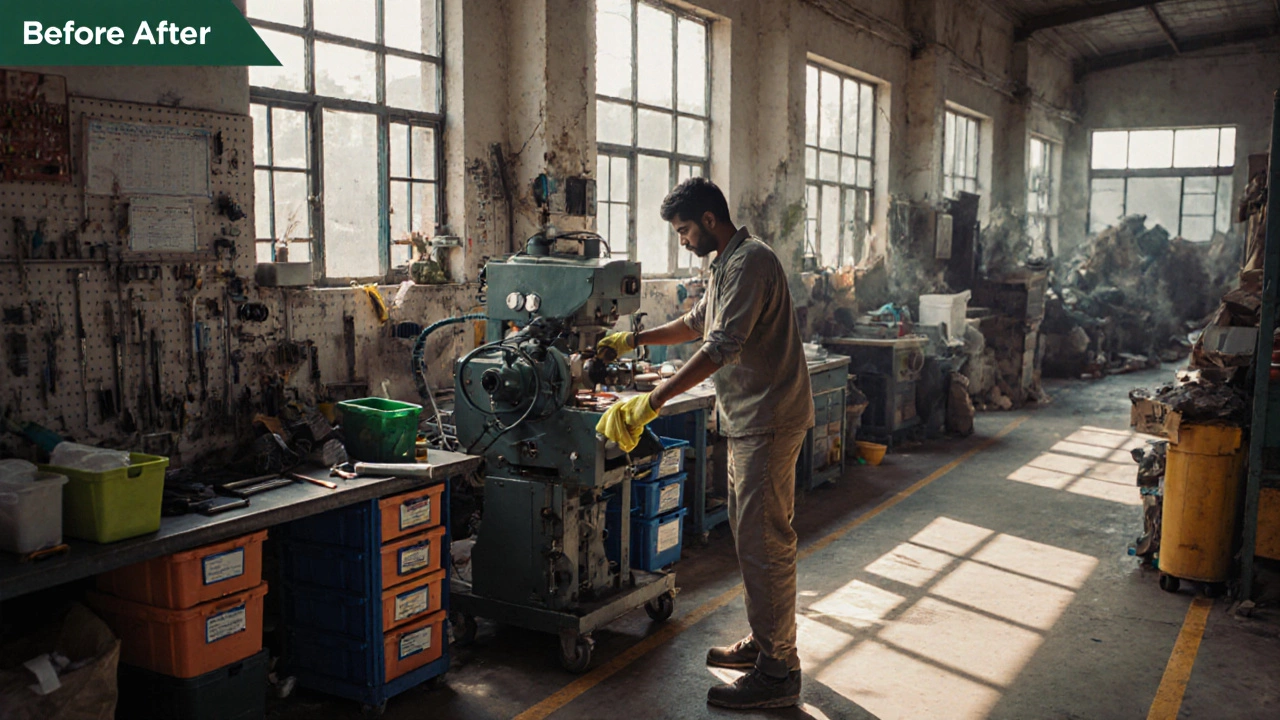
When you think about workplace organization, a system of arranging tools, materials, and workflows to reduce waste and improve safety in industrial settings. Also known as 5S methodology, it's not just about tidy floors—it's what keeps a food plant running without costly stoppages, cross-contamination, or lost time. In food manufacturing, where every second counts and hygiene is non-negotiable, poor organization doesn’t just look bad—it risks product recalls, worker injuries, and lost revenue.
Top food factories don’t rely on luck or hard work alone. They use proven systems like lean manufacturing, a production method focused on eliminating waste while maximizing value. Also known as continuous improvement, it’s the reason why some plants turn out 20% more product with the same staff and equipment. How? By mapping every step—from ingredient delivery to packaging—and removing anything that doesn’t add value. That means no more wandering for a missing scoop, no spilled flour sitting for hours, and no tools left in the wrong zone. It’s the same logic behind why a chef keeps knives next to the cutting board: reduce motion, reduce error.
And it’s not just about space. 5S methodology, a five-step system for workplace organization: Sort, Set in Order, Shine, Standardize, Sustain. Also known as the five S’s, it’s used in nearly every major Indian food plant—from dairy units making paneer to spice grinders packaging masalas. Sort means tossing out broken tools and expired samples. Set in Order means labeling every shelf, bin, and hose so anyone can find what they need in three seconds. Shine means cleaning daily, not just when inspectors show up. Standardize means writing down the best way to do each task. And Sustain? That’s the hard part—making it stick so no one reverts to old habits.
Look at the posts below. You’ll see how workplace organization shows up in surprising places. Making paneer at home? The right soaking tray, labeled containers, and clean workspace make the difference between rubbery cheese and perfect cubes. Running a small food business? Organization cuts your prep time and keeps your costs low. Even in large plants, the same rules apply: if you can’t find your tool, you’re losing money. If your floor is wet, you’re risking injury. If your ingredients aren’t labeled, you’re risking contamination.
What you’ll find here aren’t theory-heavy guides. These are real examples from Indian food factories and home kitchens alike—how to set up a workbench for dosa batter prep, how to label milk tanks so no one mixes up pasteurized and raw, how to keep a spice grinding area free of cross-contamination. These aren’t luxury upgrades. They’re the basics that separate reliable operations from chaotic ones.