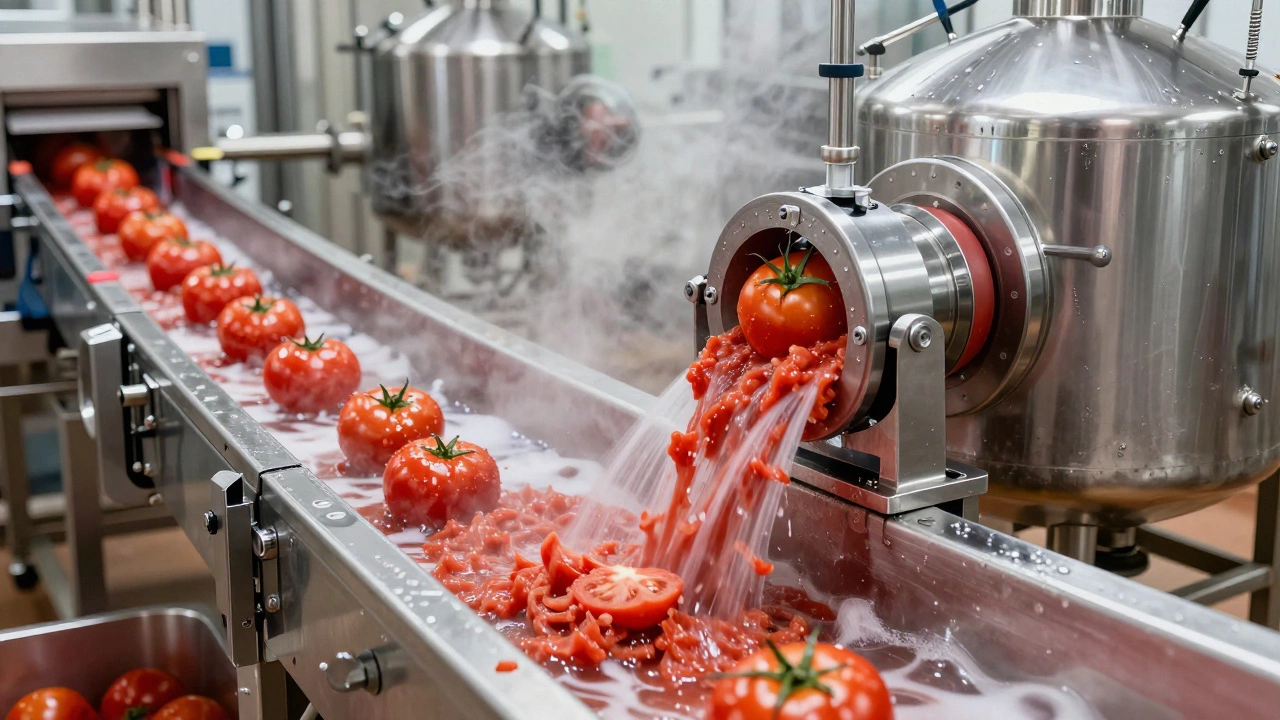
Unit Operations Examples in Food Manufacturing
When you think about how food gets from raw ingredients to your plate, you’re really looking at unit operations, basic physical or chemical steps used to transform raw materials into finished food products. Also known as food processing steps, these are the invisible building blocks behind every batch of dosa batter, paneer, or biryani rice. They’re not fancy. No robots. No AI. Just simple, repeatable actions that turn milk into cheese, dal into batter, or tomatoes into curry base.
Take soaking, a physical unit operation where dry ingredients absorb water to change texture and enable fermentation. In Indian kitchens, soaking urad dal for 6 to 8 hours isn’t a suggestion—it’s a requirement. Too little, and the batter won’t ferment. Too much, and it turns slimy. Same with paneer: soaking the curdled cheese in warm water for 15 minutes isn’t optional—it reverses rubberiness and lets it soak up flavor. This isn’t cooking. This is engineering.
Then there’s filtration, the separation of solids from liquids using physical barriers. When you strain milk through a cloth to make paneer, you’re doing filtration. When restaurants blend onions and tomatoes into a smooth curry base, they’re filtering out fibers to create texture. Even something as simple as sieving flour or draining yogurt counts. These steps aren’t just about cleanliness—they control consistency, shelf life, and taste.
Heating, cooling, mixing, grinding, drying—these are all unit operations too. Making roti? The heat from the tawa causes steam to puff the dough. That’s thermal unit operation. Grinding spices into powder? Mechanical size reduction. Making jalebi? Deep-frying is a heat transfer process that sets the structure and caramelizes the syrup. Every single post in this collection—whether it’s about biryani layering, milk-to-paneer ratios, or curry thickening—is really about one thing: how unit operations shape the final product.
What makes these operations powerful isn’t complexity. It’s control. A small factory in Tamil Nadu doesn’t need a $5 million line to make dosa batter. They just need to get the soak time, temperature, and fermentation right. That’s the power of unit operations: they turn guesswork into repeatability. Whether you’re running a home kitchen or a food plant, if you understand these steps, you understand how food is made.
Below, you’ll find real examples from Indian food production—no theory, no fluff. Just how soaking, heating, filtering, and other basic steps actually work in kitchens and factories across the country.