Unit Operations in Food Manufacturing: Key Processes Behind Indian Food Production
When you think about how food gets made—from dosa batter to paneer to thick curry—you’re really seeing unit operations, the fundamental physical or chemical steps used to transform raw ingredients into finished food products. Also known as food processing steps, these are the non-negotiable tasks that every Indian food factory, restaurant kitchen, and home cook relies on to turn milk into cheese, dal into batter, or tomatoes into sauce. This isn’t theory. It’s the real, hands-on work behind every bite you eat.
Think about soaking urad dal for dosa. That’s a unit operation: hydration. It’s not just waiting—it’s controlling time, temperature, and water quality to change the bean’s structure so it ferments right. Same with soaking paneer before cooking. That’s not a trick—it’s a mass transfer process that pulls out excess whey and softens the texture. Even making roti without baking powder? That’s steam generation and gluten development, two classic unit operations done with nothing but heat and pressure. These aren’t fancy terms. They’re just the names we give to the things we do every day in the kitchen or factory to make food work.
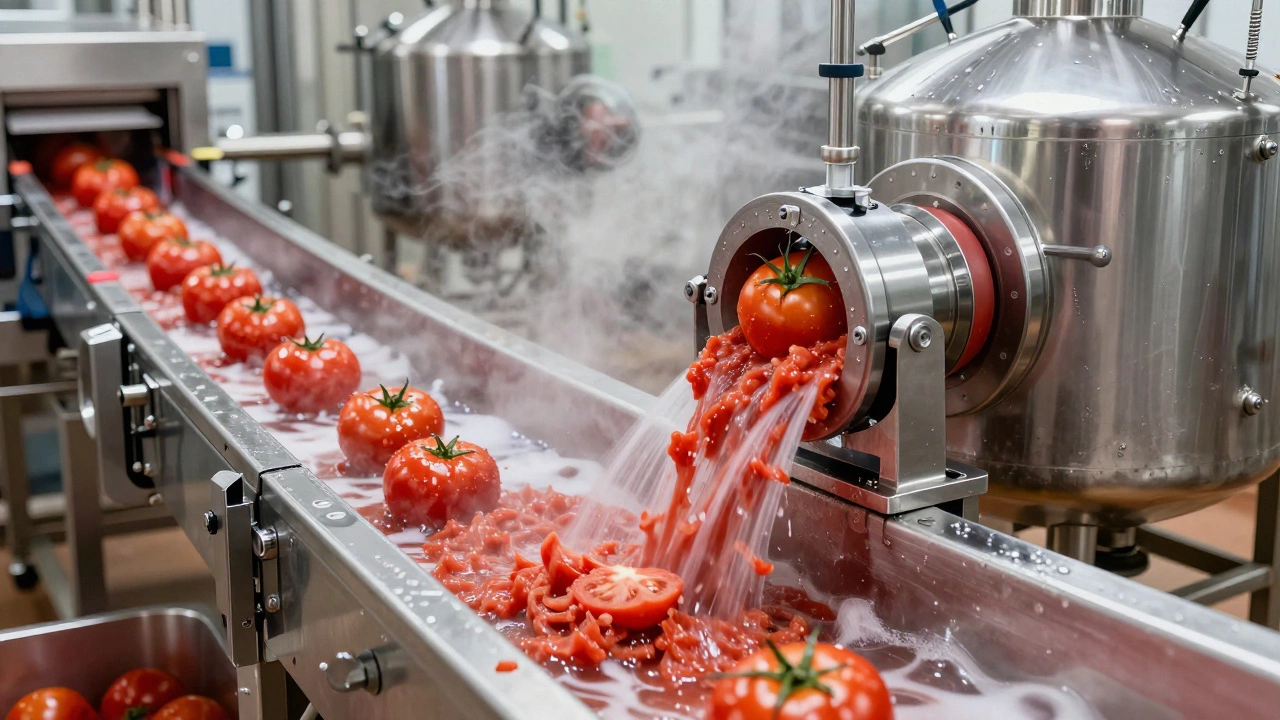
Indian food manufacturing runs on these same steps. Whether it’s a small plant making pickles or a big factory bottling yogurt, they all use the same toolkit: mixing, heating, cooling, filtering, drying, separating, and packaging. You’ll find these in posts about how restaurants make curry thick (slow evaporation and blending), how much milk you need for paneer (yield calculation and curd separation), and even why code 5 plastic is used for food containers (material compatibility and heat resistance). The 7S of manufacturing you’ve heard about? They’re built to organize these unit operations so nothing gets wasted, nothing breaks, and no one gets hurt.
What makes this collection special is how it ties everyday cooking to industrial logic. You don’t need a degree to understand unit operations—you just need to have made paneer, fermented batter, or thickened a curry. The posts here show you the why behind the how. You’ll learn what happens when you soak dal too long, why baking powder ruins roti, and how a single step like chilling milk before churning can change the final product. These aren’t just recipes. They’re case studies in food physics.
Below, you’ll find real examples from Indian kitchens and factories—each one a window into how simple, repeatable actions create the food we trust. Whether you’re a home cook trying to fix rubbery paneer or a small business owner scaling up production, the same rules apply. Master the unit operations, and you master the food.