How Long to Soak Urad Dal for Perfect Dosa Batter
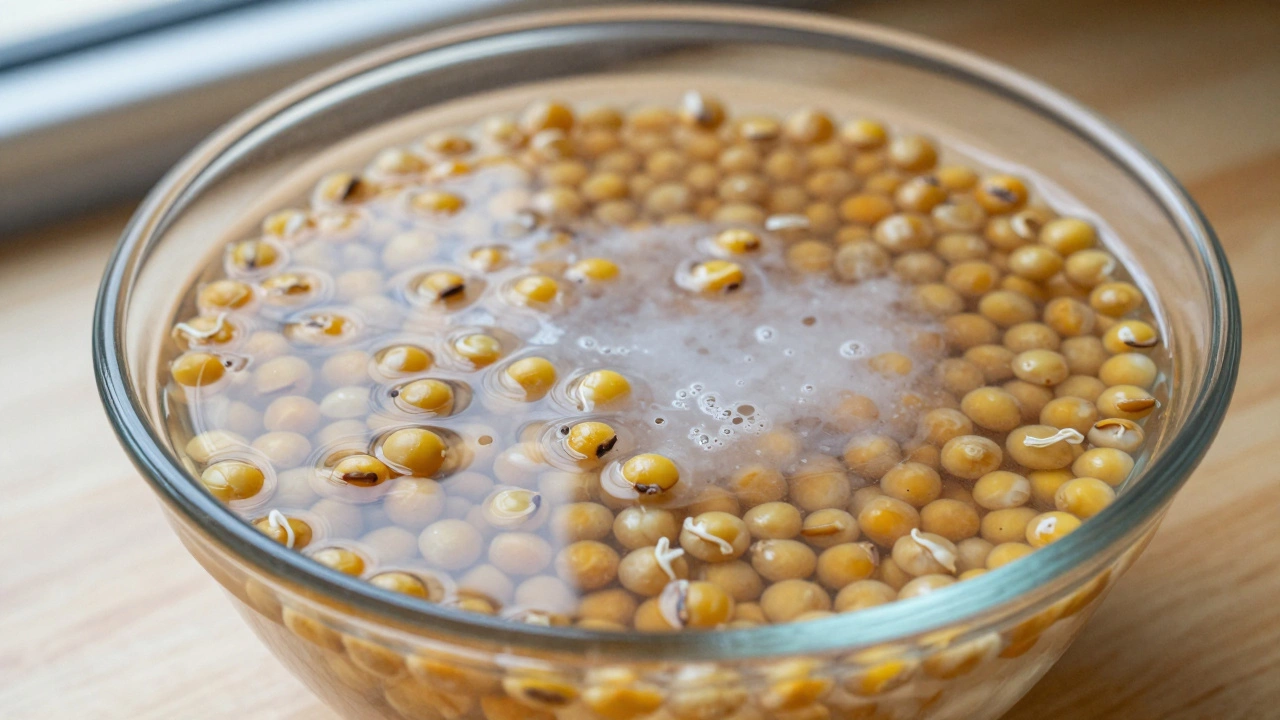
Soak urad dal for 6 to 8 hours for fluffy, crisp dosas. Too short and the batter won't ferment; too long and it turns slimy. Learn the right time, water tips, and seasonal fixes.
When you think of South Indian breakfast, a daily meal tradition from Karnataka, Tamil Nadu, Kerala, and Andhra Pradesh centered around fermented rice and lentil dishes. Also known as Udupi breakfast, it’s not just about eating—it’s about timing, texture, and technique that’s been passed down for generations. Unlike quick toast or cereal, this meal is built on patience: soaking, grinding, fermenting, and steaming. It’s why your idli is light, your dosa crisp, and your sambar deep with flavor—none of it happens by accident.
At the heart of this tradition are three core dishes: idli, steamed rice-lentil cakes that are soft, fluffy, and naturally gluten-free; dosa, thin, crispy fermented crepes made from the same batter as idli but cooked on a hot griddle; and vada, deep-fried lentil doughnuts with a crunchy outside and airy center. These aren’t snacks—they’re the foundation. Each one relies on the same batter, fermented overnight with wild yeast, a process that breaks down starches, boosts nutrition, and creates that signature tang. You don’t need fancy tools—just a stone grinder, a warm spot, and time.
What ties them together is the accompaniment: sambar, a lentil-based vegetable stew seasoned with tamarind, mustard seeds, and curry leaves, and coconut chutney, made fresh with grated coconut, green chilies, and roasted lentils. These aren’t side notes—they’re essential. Sambar isn’t just spicy; it’s layered. It’s slow-cooked so the lentils dissolve into the broth, creating body without cream or flour. The chutney isn’t blended smooth—it’s ground coarse to hold texture, and served cool to cut through the heat of the dosa. This balance is what makes the meal complete.
People outside India often think South Indian breakfast is just about idli and dosa. But look closer: in coastal Kerala, you’ll find puttu with banana and coconut; in Tamil Nadu, pongal made with rice and moong dal; in Karnataka, uppittu—a savory semolina dish stirred with veggies. These variations aren’t random. They reflect local crops, climate, and family habits. You’ll find rice-based meals in the south because the soil supports paddy. You’ll find lentils because they grow well in dry seasons. This isn’t cuisine by trend—it’s cuisine by necessity, perfected over centuries.
And here’s the truth: no one eats these dishes cold. They’re served hot, straight off the steamer or griddle. That’s why restaurant versions often taste better—they’re made fresh, in batches, every few minutes. At home, it’s a ritual: the batter gets mixed the night before, the sambar simmers while you get ready, and the chutney is ground minutes before serving. It’s not fast, but it’s never rushed. That’s the secret most recipes leave out.
What you’ll find in the posts below isn’t just recipes. It’s the real talk behind the batter, the why behind the steam, and the tricks that turn ordinary ingredients into something unforgettable. You’ll learn how much milk you need to make paneer, why soaking it matters, and how Indian restaurants thicken curry without cream. You’ll see how breakfast in India isn’t just a meal—it’s a daily act of craftsmanship, passed from mother to child, one idli at a time.
Soak urad dal for 6 to 8 hours for fluffy, crisp dosas. Too short and the batter won't ferment; too long and it turns slimy. Learn the right time, water tips, and seasonal fixes.