Roti: The Everyday Bread of India
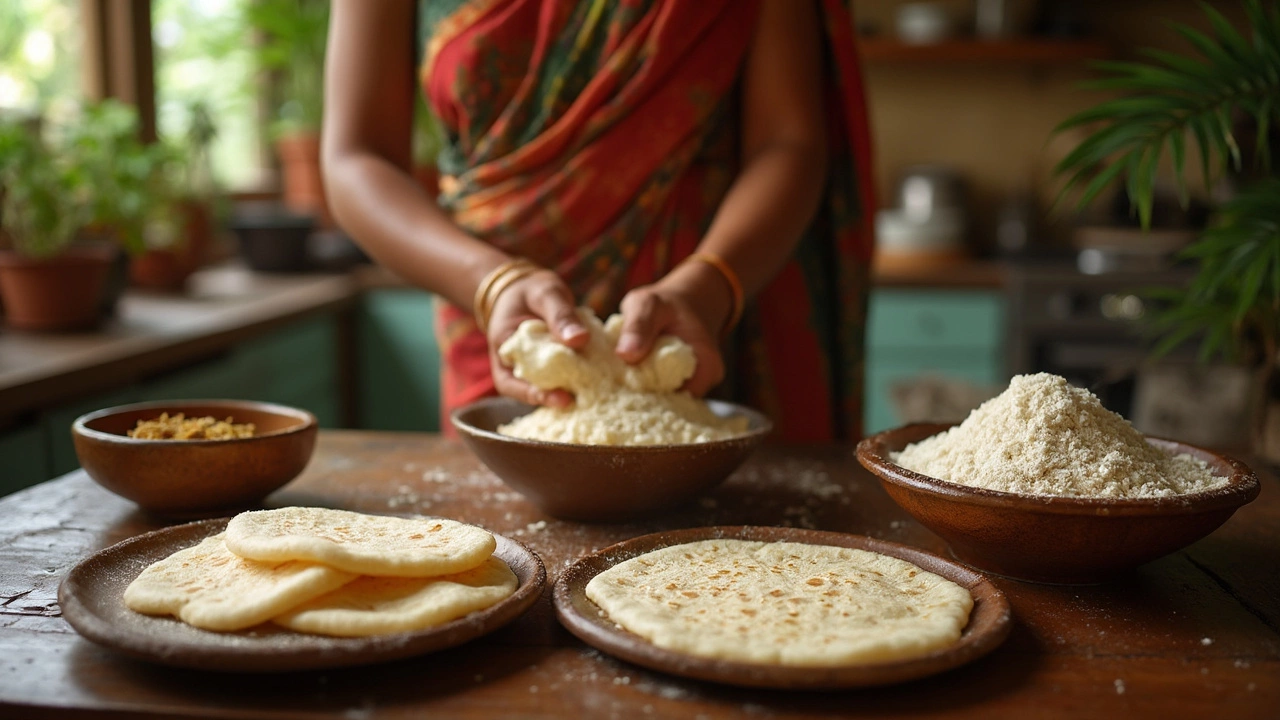
When you think of Indian food, one thing shows up on nearly every table—roti, a simple, unleavened flatbread made from whole wheat flour, water, and salt. Also known as chapati, it’s not just food—it’s the foundation of meals across villages and cities alike. Unlike fancy breads that need yeast or ovens, roti comes together in minutes with just a rolling pin and a hot griddle. It’s eaten with curries, dal, pickles, and even plain ghee. No utensils needed. Just tear, dip, and eat.
What makes roti different from naan or paratha? It’s the lack of fat, yeast, or sugar. Pure flour and water. That’s it. This simplicity is why it’s made in over 90% of Indian homes daily. In Punjab, they roll it thin and cook it until it puffs like a balloon. In Tamil Nadu, they make it thicker and serve it with sambar. In Gujarat, they add a pinch of jowar flour for texture. Even though the style changes, the core stays the same: whole wheat, heat, and hands.
You won’t find roti in fancy restaurants as a standalone item—it’s too common for that. But you’ll find it in every home kitchen, every street-side dhaba, and every family lunch. It’s the bread that doesn’t need a name tag because everyone already knows it. The roti you eat today is made the same way your grandparents made it—no machines, no preservatives, no tricks. Just flour, water, fire, and time.
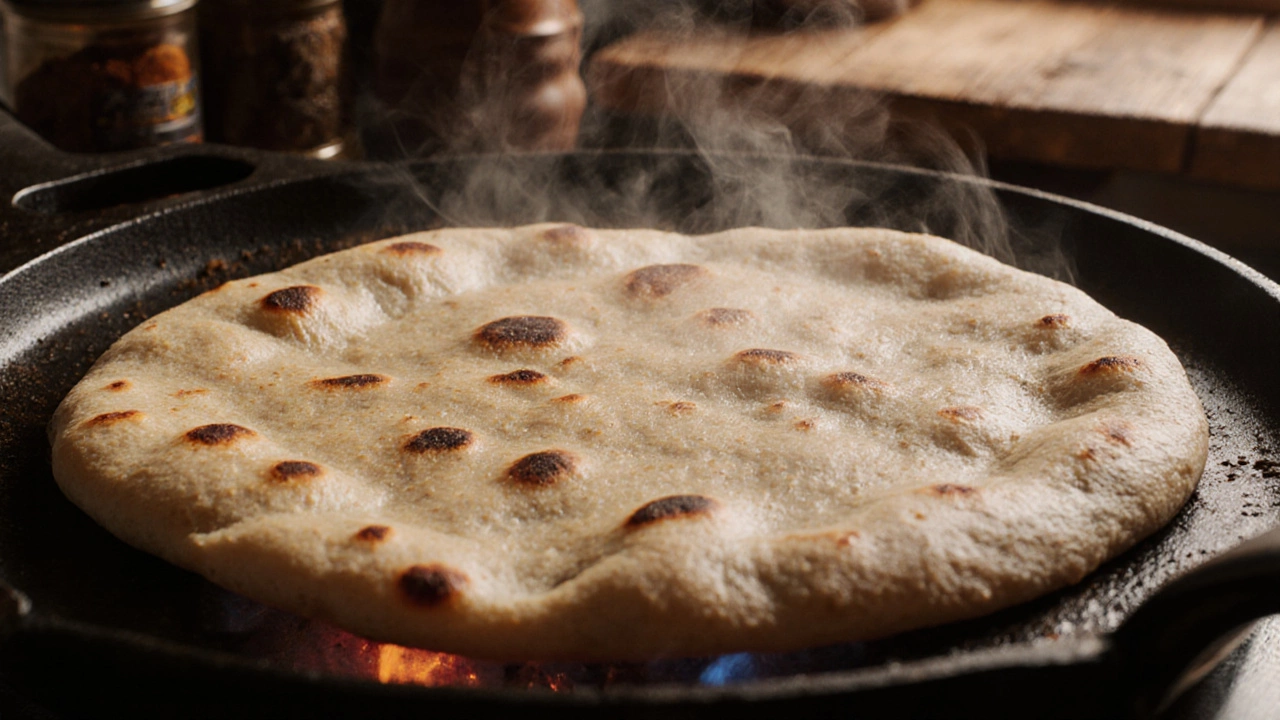
Behind every perfect roti is a rhythm: knead, rest, roll, flip, puff. That puff? That’s the sign of good heat and proper dough. If it doesn’t puff, the dough was too dry or the tawa wasn’t hot enough. Simple fixes, but they matter. And that’s why people in India don’t just eat roti—they learn how to make it. From childhood. From their mothers. From the smell of wheat toasting on a stove.
What you’ll find below isn’t a list of recipes. It’s a collection of real, practical insights about how roti fits into the bigger picture of Indian food manufacturing and home cooking. You’ll read about how flour quality affects texture, why fermentation isn’t needed but resting is, how industrial roti makers are changing rural kitchens, and what happens when you swap whole wheat for refined flour. These aren’t theory pieces—they’re observations from people who make roti every day. Whether you’re trying to make it better at home or just curious why it’s so central to Indian meals, this is where the truth lives.