Premium Polymers in Food Manufacturing: What They Are and How They're Used
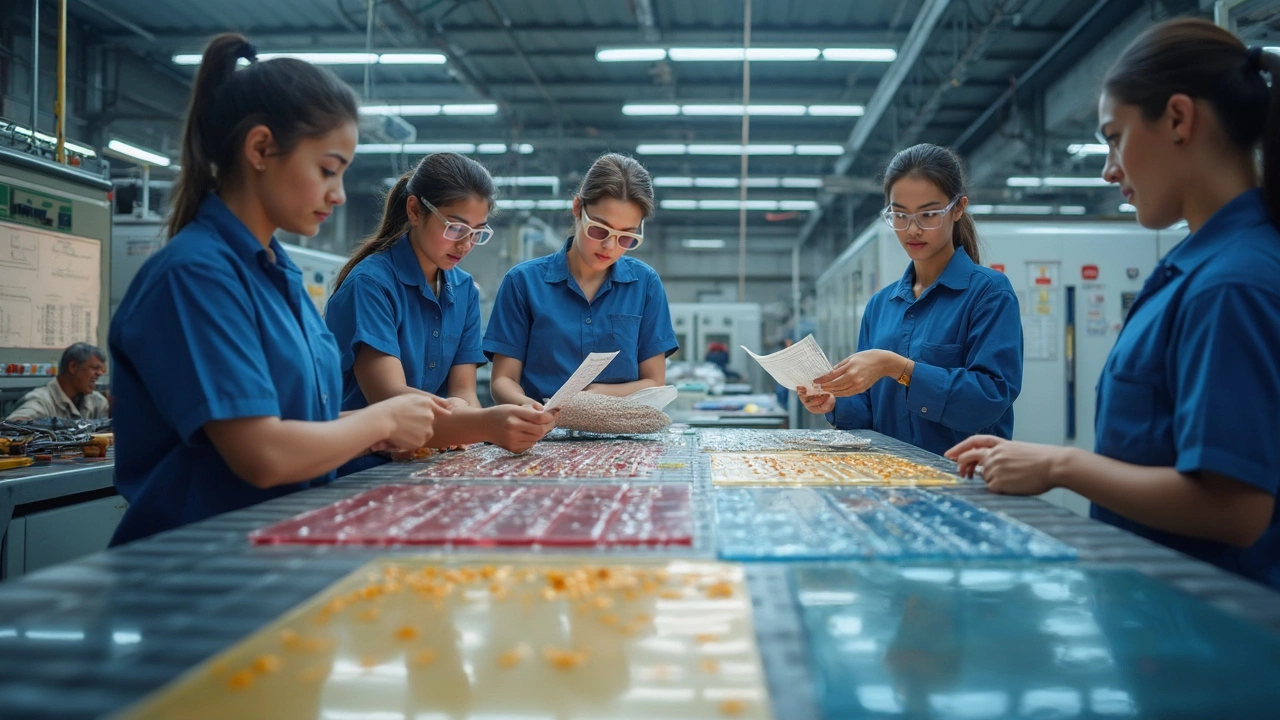
When you open a container of paneer, grab a yogurt cup, or unwrap a snack bar, you're handling something invisible but critical: premium polymers, high-performance plastics engineered for safety, durability, and heat resistance in food contact applications. Also known as food-grade plastics, these materials are the silent backbone of modern food packaging. They don’t just hold food—they protect it from contamination, extend shelf life, and keep it fresh without additives.
Not all plastics are the same. Code 5 plastic, or polypropylene (PP), a thermoplastic polymer widely used in food containers due to its high melting point and chemical resistance, is one of the most common premium polymers in Indian food manufacturing. It’s what keeps your homemade paneer from sticking, what holds your dosa batter in sealed pouches, and what bottles your ghee or oil without leaching chemicals. Unlike cheaper plastics, premium polymers like PP are tested to meet strict food safety standards—no toxins, no off-flavors, no risk. They’re also recyclable, which is why brands are shifting toward them as sustainability becomes non-negotiable.
These materials don’t work alone. They’re part of a system. food packaging, the protective barrier between food and the environment during storage and transport relies on premium polymers to seal in moisture, block oxygen, and resist tears during shipping. In Indian kitchens and factories, you’ll find them in everything from microwave-safe containers to vacuum-sealed spice packs. The same polymer that keeps your biryani hot in a delivery box also keeps your homemade cheese from drying out in the fridge. And when you hear about plastic waste, it’s often not the polymer itself that’s the problem—it’s poor recycling systems, not the material.
What’s surprising? Many premium polymers are invisible to the consumer. You don’t see them, but you feel their effect: the crispness of a snack, the seal on a yogurt lid, the clarity of a milk bottle. They’re chosen not for looks, but for function. A manufacturer doesn’t pick polypropylene because it’s cheap—it picks it because it survives steam sterilization, resists grease, and doesn’t crack in the freezer. That’s why you’ll find it in factories making paneer, pickles, and ready-to-eat meals across India.
And if you’ve ever wondered why some containers feel sturdier than others, or why your curry container doesn’t melt in the microwave—that’s premium polymers at work. They’re the reason your food stays safe from farm to fork. Below, you’ll find real examples of how these materials are used, what alternatives exist, and how manufacturers are cutting waste without cutting safety.