Plastic Types in Food Manufacturing: What You Need to Know
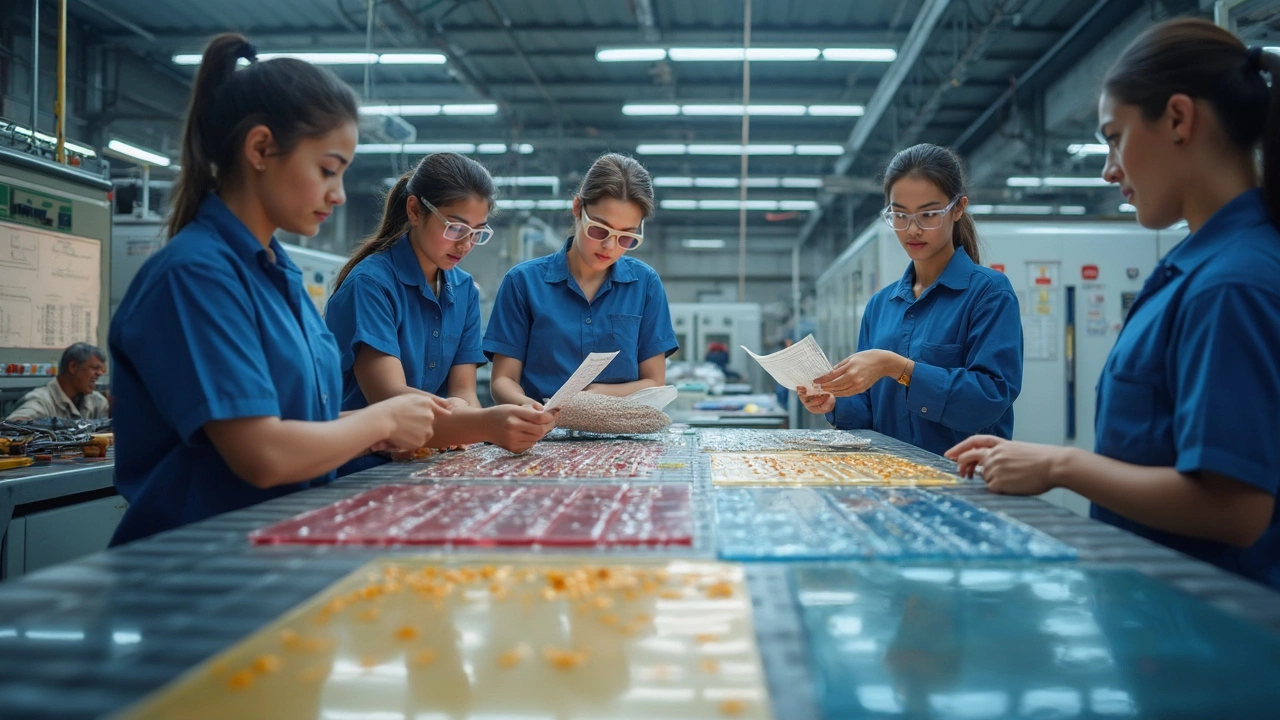
When you buy packaged snacks, yogurt, or bottled water in India, you're holding a product sealed in one of several plastic types, specific polymers engineered for strength, clarity, or heat resistance in food contact applications. Also known as food-grade plastics, these materials must meet strict safety standards to prevent chemicals from leaching into your food. In India’s booming food manufacturing sector, choosing the wrong plastic isn’t just a quality issue—it’s a health risk.
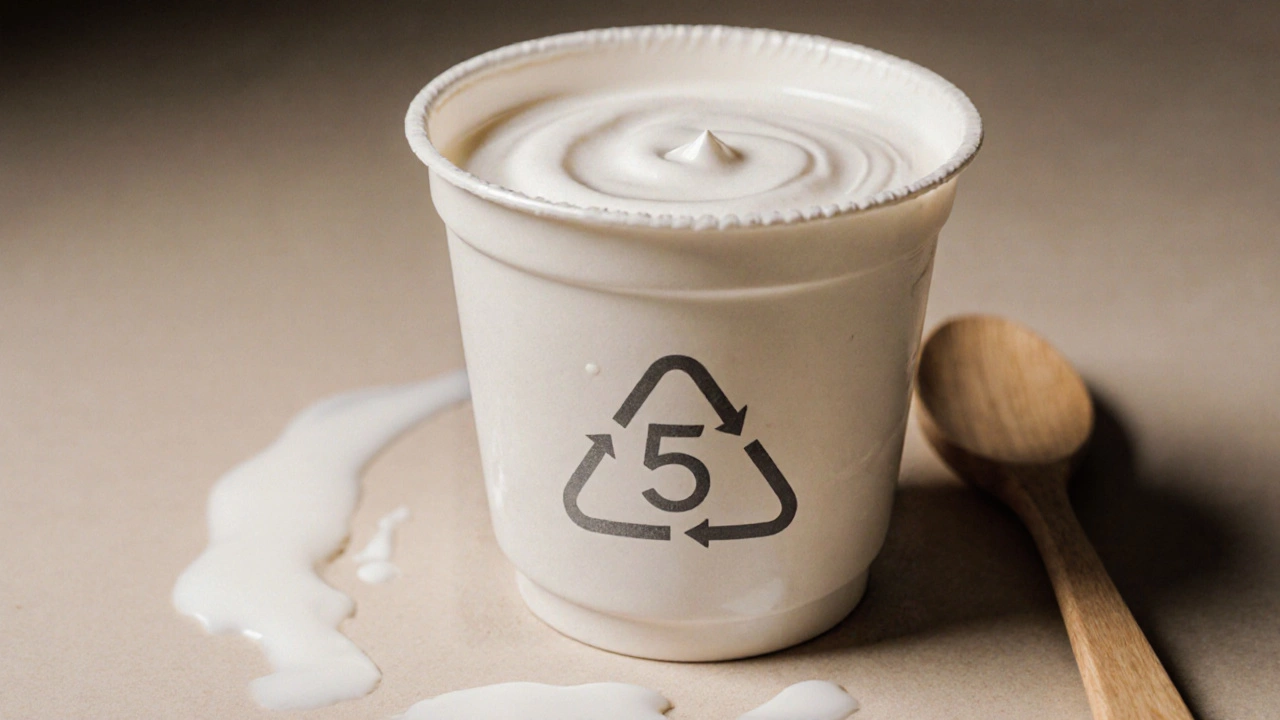
The most common PET, polyethylene terephthalate, a clear, lightweight plastic used for bottled water, juices, and soft drinks dominates beverage packaging. It’s recyclable, but only if collected properly. Then there’s HDPE, high-density polyethylene, a sturdy, opaque plastic used for milk jugs, yogurt tubs, and spice containers. It’s resistant to moisture and chemicals, making it ideal for long-shelf-life products. You’ll also find LDPE, low-density polyethylene, a flexible film used for wrapping cheese, bread, and frozen foods. But not all plastics are allowed. Polystyrene (PS) and PVC are heavily restricted in food contact due to toxic additives like phthalates and styrene. India’s food safety laws now require manufacturers to label plastic types with resin codes—numbers 1 through 7—so you can tell what you’re buying.
What does this mean for you? If you’re running a small food business, using the wrong plastic can get your product seized. If you’re a consumer, knowing these types helps you avoid unsafe packaging. The same plastic types used in your kitchen might be the reason your paneer turned rubbery or your dosa batter fermented unevenly—because some plastics react with acidic or oily foods. Manufacturers in India are shifting toward recyclable and compostable alternatives, but the transition is slow. Meanwhile, companies like Amcor, which produces millions of PET bottles, are under pressure to reduce waste without compromising safety. The posts below dig into real examples: how plastic types affect food quality, what regulations Indian factories follow, and why some packaging choices make or break a product’s success.