Perfect Dosa Batter: How to Get the Right Fermentation, Texture, and Flavor
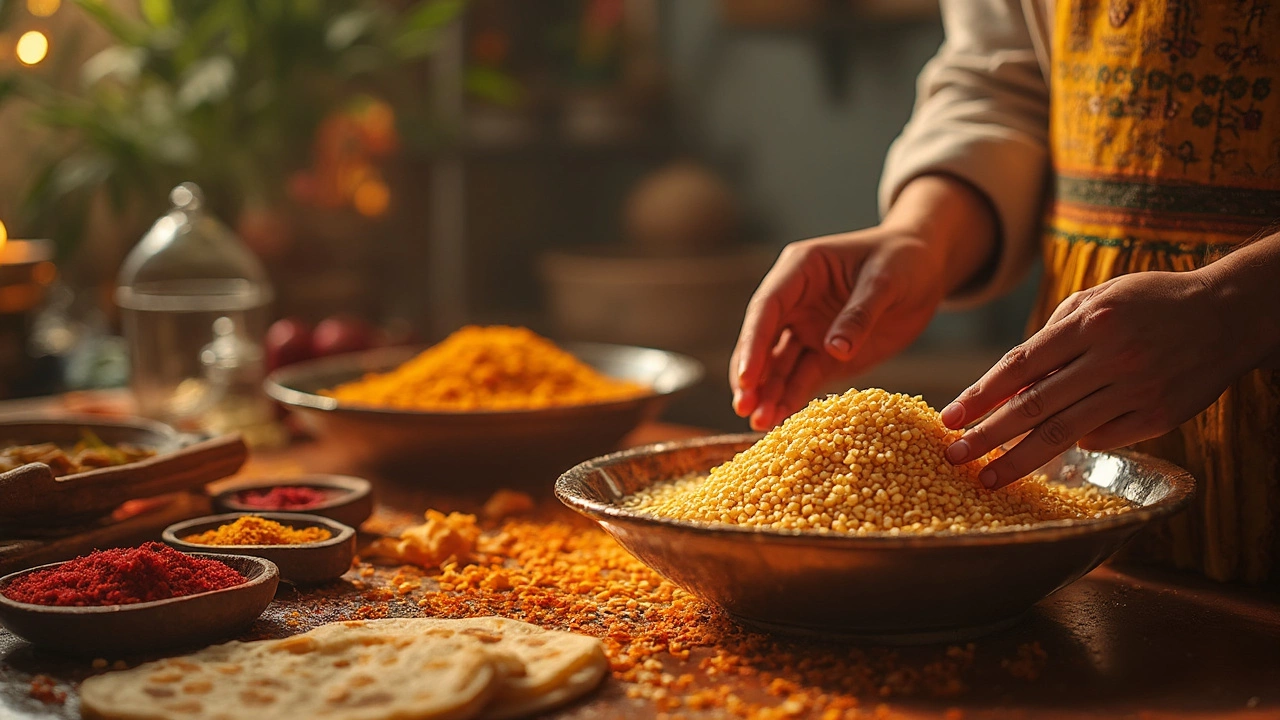
When you think of a perfect dosa batter, a fermented rice and urad dal mixture used to make crisp, fluffy South Indian crepes. Also known as dosa batter, it’s the foundation of one of India’s most loved breakfasts—crispy on the outside, soft inside, and packed with tangy flavor from natural fermentation. This isn’t just a recipe. It’s a process that depends on time, temperature, and technique. Get any step wrong, and you’ll end up with a flat, gummy mess instead of that golden, bubbly dosa you crave.
The secret starts with urad dal, black gram lentils that ferment easily and give dosa its airy texture.black gram—you need to soak it for 6 to 8 hours, not less, not more. Too short, and the batter won’t rise. Too long, and it turns slimy. Then there’s rice, typically parboiled or raw idli rice, which gives structure and crunch.idli rice—it’s ground separately from the dal, then mixed in just right. The ratio matters: 3 parts rice to 1 part urad dal is the sweet spot. Add salt after grinding, not before—it slows fermentation. And don’t skip the water temperature. Warm water helps activate the wild yeast. Cold water? You’re waiting all night.
Fermentation, the natural process where microbes break down sugars and produce gas, making the batter light.natural leavening—is where most people fail. It doesn’t need yeast. It needs warmth. In winter, put the batter near a heater or in an oven with the light on. In summer, a sunny windowsill works. You’ll know it’s ready when it’s doubled in size, smells slightly sour, and bubbles when you stir it. No need to overmix. Just fold it gently. The bubbles are your signal. That’s the magic.
And it’s not just about the batter. The stone grinder matters. Blade blenders heat the batter and crush the dal too fine, killing the fluff. A stone grinder pulls the dal into long, silky strands that trap air. That’s why traditional South Indian homes still use them. Even if you use a blender, grind in short bursts and keep the batter cool.
What you’ll find below isn’t a single recipe. It’s a collection of real, tested approaches—from soaking times that work in monsoon humidity to fixes for batter that won’t ferment in cold weather. You’ll see how restaurant kitchens handle it, what home cooks do differently, and why some tips you’ve heard are just myths. No fluff. No guesswork. Just what actually makes a perfect dosa batter—every single time.