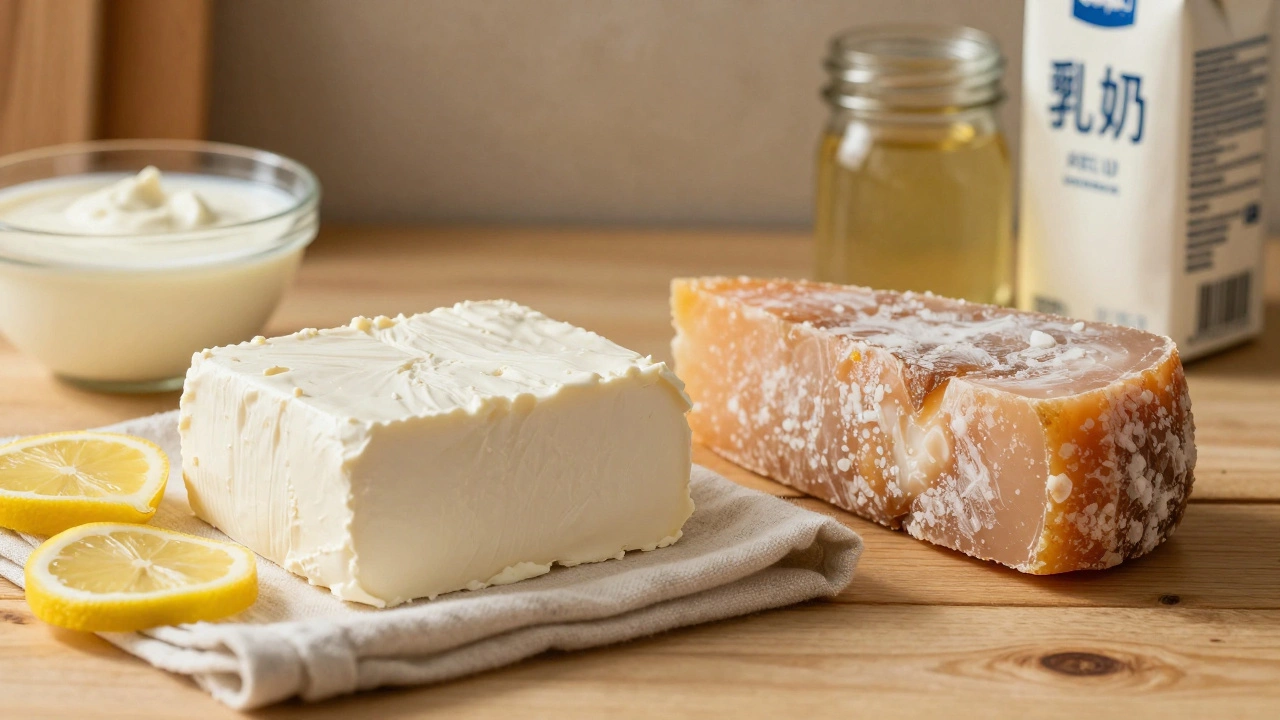
Paneer Cooking: How to Make Soft, Flavorful Paneer Every Time
When you cook with paneer, a fresh, non-melting Indian cheese made by curdling milk with acid. Also known as Indian cottage cheese, it’s the star of countless home kitchens and restaurant curries—from palak paneer to paneer tikka. But most people ruin it before it even hits the pan. The problem isn’t the recipe. It’s the prep. Paneer cooking starts long before you turn on the stove.
You can make paneer at home with just milk and lemon juice, but if you skip the next step, you’ll get rubber. soaking paneer, the simple act of submerging fresh paneer in warm water for 10 to 15 minutes is the secret most cookbooks ignore. It pulls out the sourness from the curdling agent, rehydrates the curds, and turns dense, chalky cubes into soft, spongy bites that soak up spice like a sponge. Skip this, and even the best curry tastes like dry cardboard. And it’s not just about water—paneer texture, how firm or tender the cheese feels when bitten depends on how long you drain the curds, how hot the milk was, and whether you pressed it under the right weight.
People think paneer cooking is about spices or cooking time. It’s not. It’s about control. Too much heat turns paneer tough. Too little time in the curry leaves it bland. The best paneer dishes don’t fry the cheese—they gently simmer it, letting the sauce do the work. That’s why restaurant curries taste richer: they let paneer sit in the gravy for 15 minutes after adding it. No rushing. No high flames. Just patience.
You’ll find posts here that show you exactly how to make paneer from scratch, how much milk you need for a block, and the five mistakes that turn your cheese into a brick. You’ll learn why soaking isn’t optional, how to fix over-pressed paneer, and why some cooks skip salt entirely. This isn’t theory. These are the fixes real home cooks use every day to turn a simple ingredient into something unforgettable.