How Much Milk Do You Need to Make Paneer at Home?
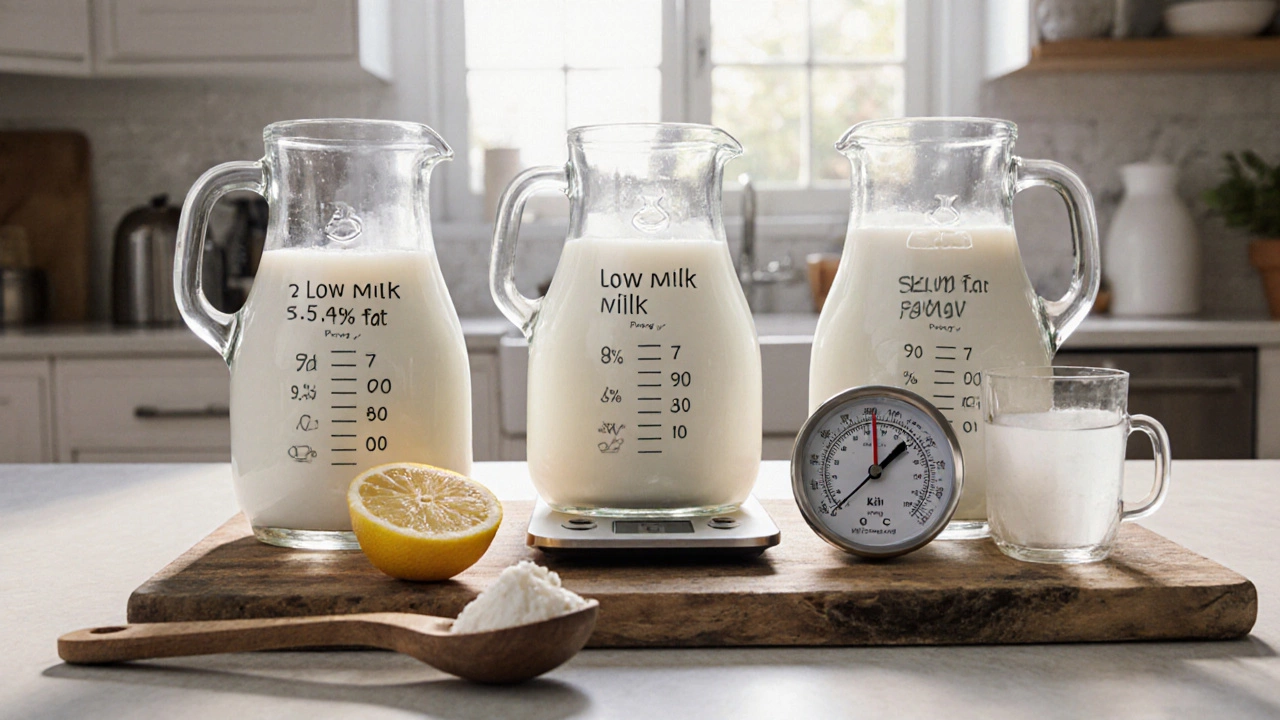
Learn exactly how much milk you need to make paneer at home, with detailed ratios, step‑by‑step instructions and tips for different milk types.
When you heat milk and add an acid like lemon juice or vinegar, you trigger a simple but powerful transformation: milk to paneer conversion, the process of curdling milk to create fresh Indian cheese. Also known as Indian cottage cheese, paneer is made without rennet or aging—it’s just milk, heat, and acid, turned into a firm, sliceable block that holds up in curries, grills, and snacks. This isn’t magic. It’s chemistry. The proteins in milk—mainly casein—clump together when the pH drops, separating from the liquid whey. What’s left is a soft, white mass you press into paneer.
Most people think you need special equipment or starter cultures, but you don’t. You just need whole milk (3.5% fat or higher), something acidic, and patience. Skim milk won’t work well—it makes dry, crumbly paneer. Full-fat milk gives you that rich, creamy texture restaurants use. The amount of acid matters too. Too little, and the curds won’t form properly. Too much, and the paneer tastes sour. A quarter cup of lemon juice for a liter of milk is the sweet spot for most home cooks. Heat the milk slowly, stir gently, then add the acid off the heat. Let it sit for 10 minutes. Strain. Press. Done.
This process connects to other food techniques you might know. Like making yogurt, paneer relies on controlling temperature and acidity. Unlike cheese-making in Europe, there’s no aging, no cultures, no molds. It’s fast, clean, and done in under an hour. That’s why it’s so common in Indian kitchens. You can make it from leftover milk, use it the same day, and avoid store-bought versions filled with stabilizers. And if you’ve ever bought paneer that was rubbery or bland? That’s usually because the milk wasn’t hot enough, or the curds weren’t pressed long enough. Soaking paneer before cooking? That’s another step tied to this conversion—it rehydrates the curds and softens the texture.
Behind every block of paneer is a chain of small decisions: milk quality, heat control, pressing weight, drainage time. These are the same details that make or break homemade yogurt, tofu, or even ricotta. The milk to paneer conversion, a basic dairy transformation used across Indian households is one of the most practical skills in Indian cooking. It’s not about fancy tools. It’s about understanding what happens when milk meets heat and acid—and how to control it.
Below, you’ll find real guides from people who’ve made paneer dozens of times. Some share exact ratios. Others fix the most common mistakes—like overcooking, under-pressing, or using low-fat milk. You’ll see how soaking paneer changes its texture, how to avoid rubberiness, and why some recipes skip the acid entirely. This isn’t theory. It’s what works in kitchens across India. Whether you’re making paneer tikka, palak paneer, or just snacking on it with salt and pepper, knowing how milk becomes cheese gives you control. And that’s the real advantage.
Learn exactly how much milk you need to make paneer at home, with detailed ratios, step‑by‑step instructions and tips for different milk types.