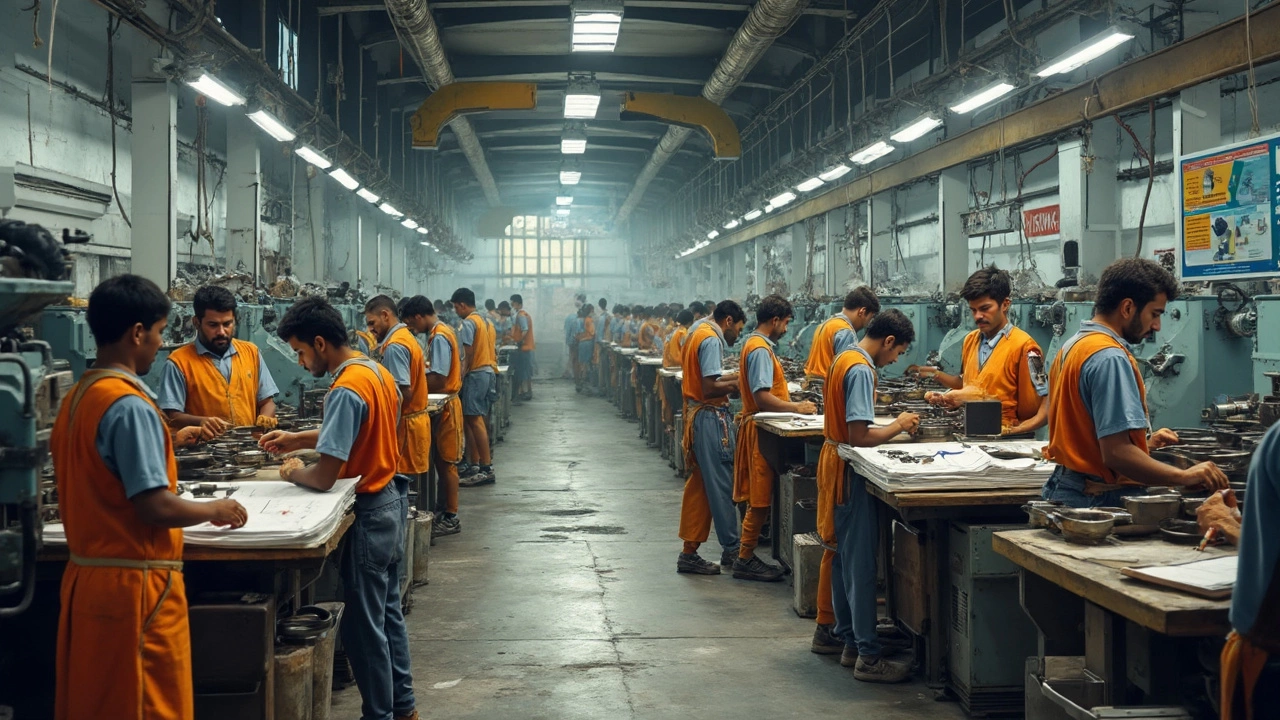
Manufacturing Processes in Food Production: What Happens Before It Hits Your Shelf
When you think about manufacturing processes, the systematic steps used to transform raw ingredients into safe, consistent food products. Also known as food processing, it’s not just about machines—it’s about timing, temperature, and technique. Every bite of paneer, every crisp dosa, every thick curry starts with a series of controlled steps designed to preserve, enhance, or change the food. These aren’t random actions. They’re unit operations, standardized physical or chemical steps like soaking, heating, blending, or drying that form the backbone of food manufacturing. Whether you’re making cheese at home or running a factory that feeds thousands, these same operations are at work.
Take paneer production, the simple yet precise process of curdling milk with acid to create fresh Indian cheese. It sounds easy—milk plus lemon juice—but get the temperature wrong, or skip the soaking step, and you end up with rubbery cubes. That’s why manufacturers don’t guess. They follow the same logic used in industrial pasteurization: control heat, time, and pH to get the same result every time. The same applies to soaking urad dal, a critical step in South Indian breakfasts where fermentation depends on exact hours of water exposure. Too little, and the batter won’t rise. Too much, and it turns slimy. These aren’t recipes—they’re manufacturing protocols.
What ties all this together? Consistency. The reason you get the same taste in your favorite restaurant’s biryani or the same texture in your store-bought plastic-wrapped paneer is because someone followed a repeatable process. That’s the heart of food manufacturing: turning art into science. You’ll find posts here that break down exactly how restaurants thicken curry without cream, why roti doesn’t need baking powder, and how much milk it takes to make one block of paneer. You’ll also see how these small-scale practices mirror what happens in large factories—where the 7S method organizes workspaces, where code 5 plastic keeps food safe, and where sodium hydroxide cleans equipment. This isn’t about fancy gadgets. It’s about the quiet, smart steps that make everyday food possible. Below, you’ll see real examples of how these processes work, from kitchen counters to industrial lines.