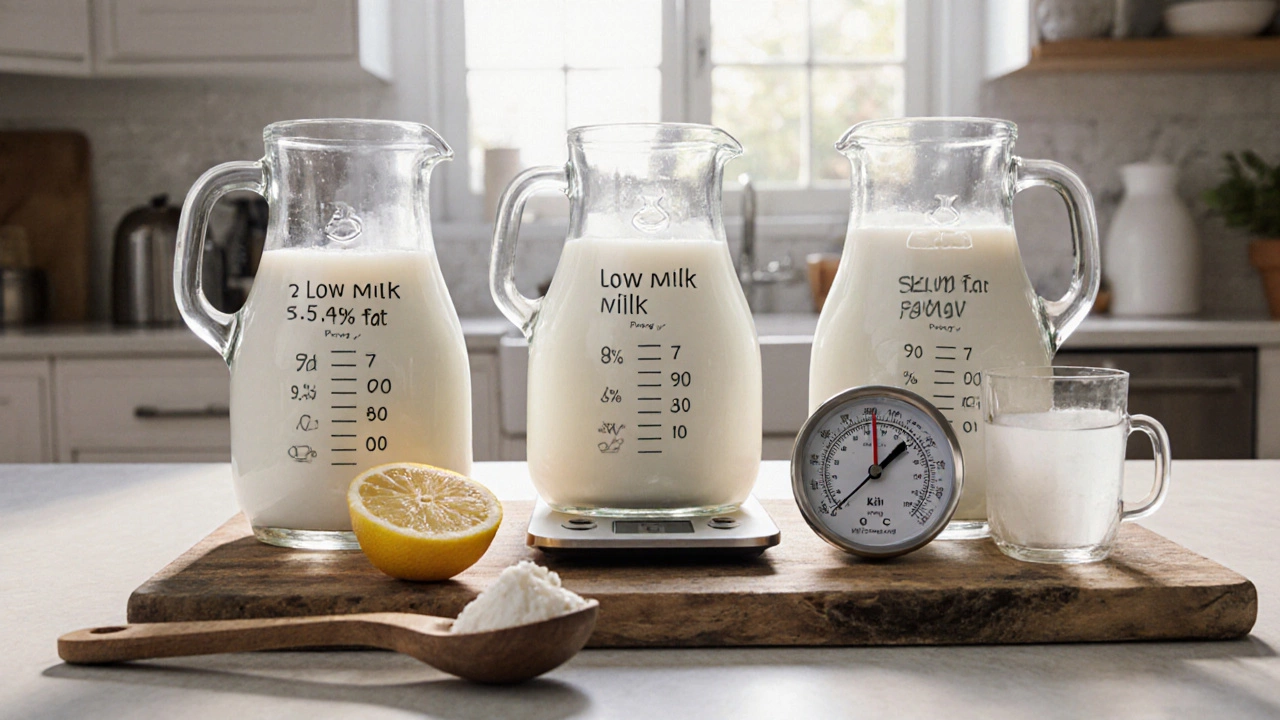
How Much Milk Do You Need to Make Paneer at Home?
Learn exactly how much milk you need to make paneer at home, with detailed ratios, step‑by‑step instructions and tips for different milk types.
When you make paneer, a fresh, unaged Indian cheese made by curdling milk with acid. Also known as Indian cottage cheese, it’s the backbone of dozens of home-cooked meals—from palak paneer to paneer tikka. Unlike processed cheeses, homemade paneer has a clean, milky taste and a firm yet tender bite that store-bought versions rarely match.
What makes paneer work isn’t fancy equipment—it’s control. You need whole milk, an acid like lemon juice or vinegar, and patience. Heat the milk slowly, add the acid gently, and let the curds separate cleanly. Drain them in a cloth, press lightly, and you’ve got cheese. But most people skip the details: too much acid ruins the texture, boiling the milk too fast makes it grainy, and not pressing long enough leaves it crumbly. The real secret? Soaking paneer before cooking. It’s not optional—it’s what turns rubbery blocks into soft, flavorful cubes that soak up curry like a sponge.
People often confuse paneer with other cheeses, but it’s not aged, not melted, and not stretched. It’s a direct curd product, like farmer’s cheese or quark. That’s why it holds shape in curries and grills without melting. And because it’s made fresh, it’s also one of the few dairy products you can make in under an hour with zero special tools. If you’ve ever bought paneer at a store and thought, "This tastes bland," you’re not wrong. Homemade paneer tastes like milk, but better—cleaner, richer, and more alive.
Behind every good paneer dish is a series of small choices: milk fat content, acid type, pressing time, and whether you rinse the curds. These aren’t just steps—they’re decisions that define the final texture. That’s why the posts below cover everything from the exact time to soak paneer before cooking, to the top five mistakes that turn your cheese into a chewy brick. You’ll find simple fixes, real-world tips from Indian kitchens, and why some recipes fail even when you follow them exactly. Whether you’re making paneer for the first time or trying to fix a batch that went wrong, the answers here are practical, no-fluff, and tested in real homes—not labs.
Learn exactly how much milk you need to make paneer at home, with detailed ratios, step‑by‑step instructions and tips for different milk types.