Indian sweets: Traditional treats, recipes, and what makes them unique
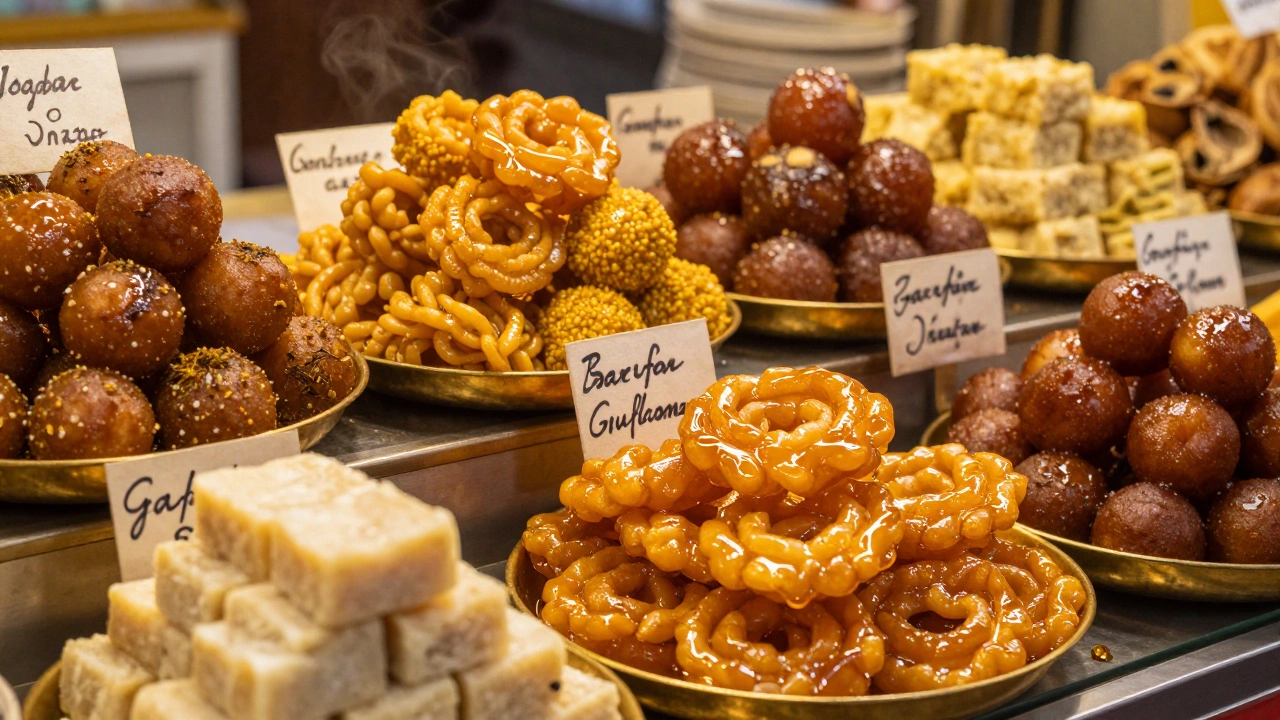
When you think of Indian sweets, a broad category of traditional desserts made with milk, sugar, nuts, and spices, often tied to festivals and family gatherings. Also known as mithai, they're not just food—they're cultural moments wrapped in syrup and cardamom. From the sticky, deep-fried jalebi, a bright orange, spiral-shaped sweet soaked in sugar syrup, popular across North and West India to the soft, milk-based gulab jamun, deep-fried dough balls made from khoya and soaked in fragrant syrup, each sweet tells a story of technique, patience, and local ingredients.
What sets Indian sweets apart isn’t just their flavor—it’s how they’re made. Many start with khoya, milk solids reduced slowly over hours until thick and dense, used as the base for barfi, peda, and more. Others, like paneer, fresh Indian cheese made by curdling milk with lemon juice or vinegar, show up in sweets too—think paneer burfi or paneer laddoo. These aren’t just desserts; they’re the result of food processing methods passed down for generations. You won’t find preservatives or artificial flavors in traditional versions—just milk, sugar, ghee, and time. Even the way they’re cooked matters: slow simmering, hand-kneading, frying at just the right temperature. These aren’t shortcuts—they’re rituals.
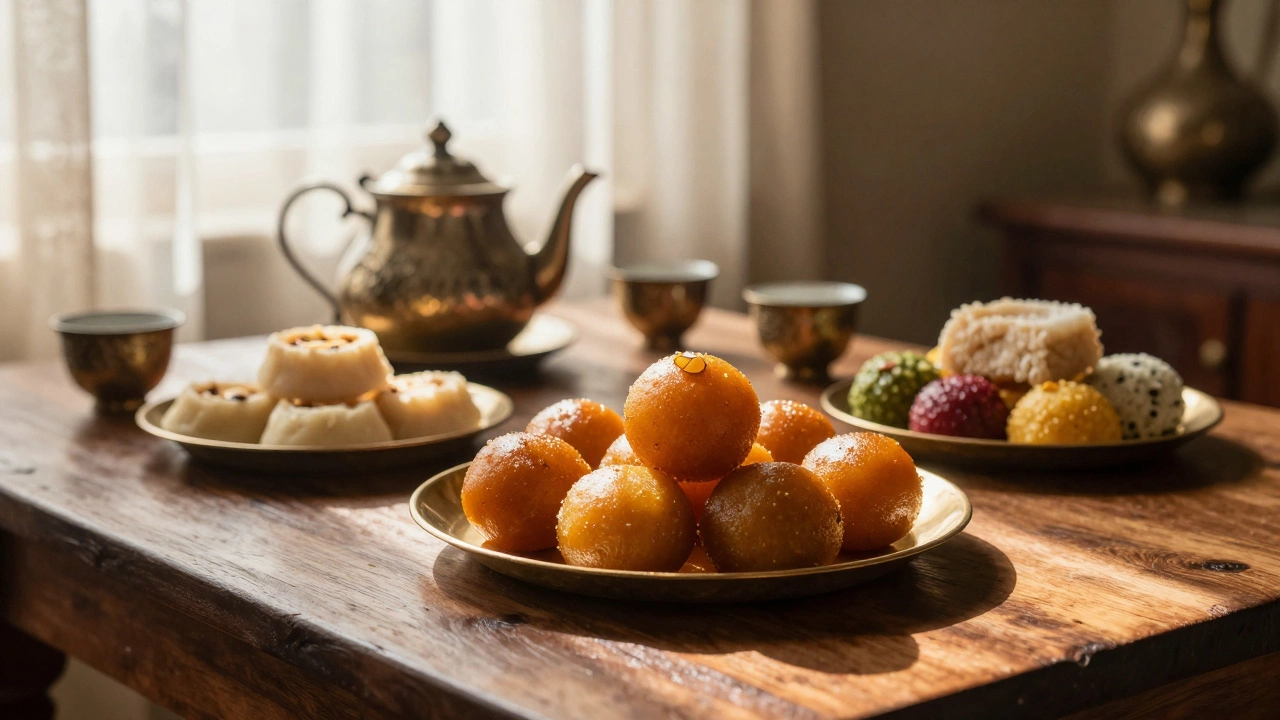
And while you might think of sweets as just something sweet to eat, they’re deeply tied to Indian life. Diwali? Mithai boxes. Weddings? Silver-leafed barfi. Even a simple visit to a neighbor means a plate of laddoos. That’s why the recipes you’ll find here aren’t just instructions—they’re guides to understanding how food connects people. Whether you’re trying to make paneer from scratch, learning how much milk you need for the perfect texture, or wondering why soaking paneer before cooking makes it tender, every post here ties back to the same truth: Indian sweets are made with care, not just ingredients. Below, you’ll find real, tested methods for making them at home, fixing common mistakes, and understanding the science behind the sweetness—no fluff, no guesswork, just what works.