Indian Street Food: The Real Flavors, Tricks, and Secrets Behind India’s Favorite Street Eats
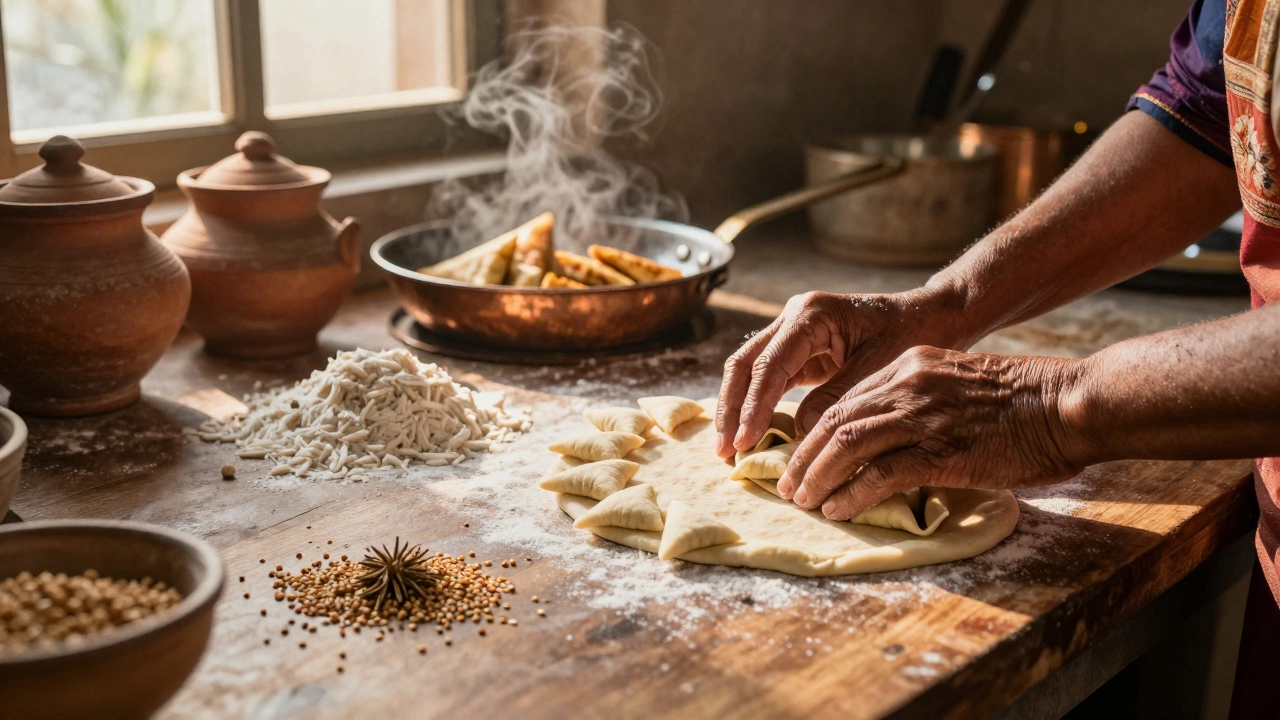
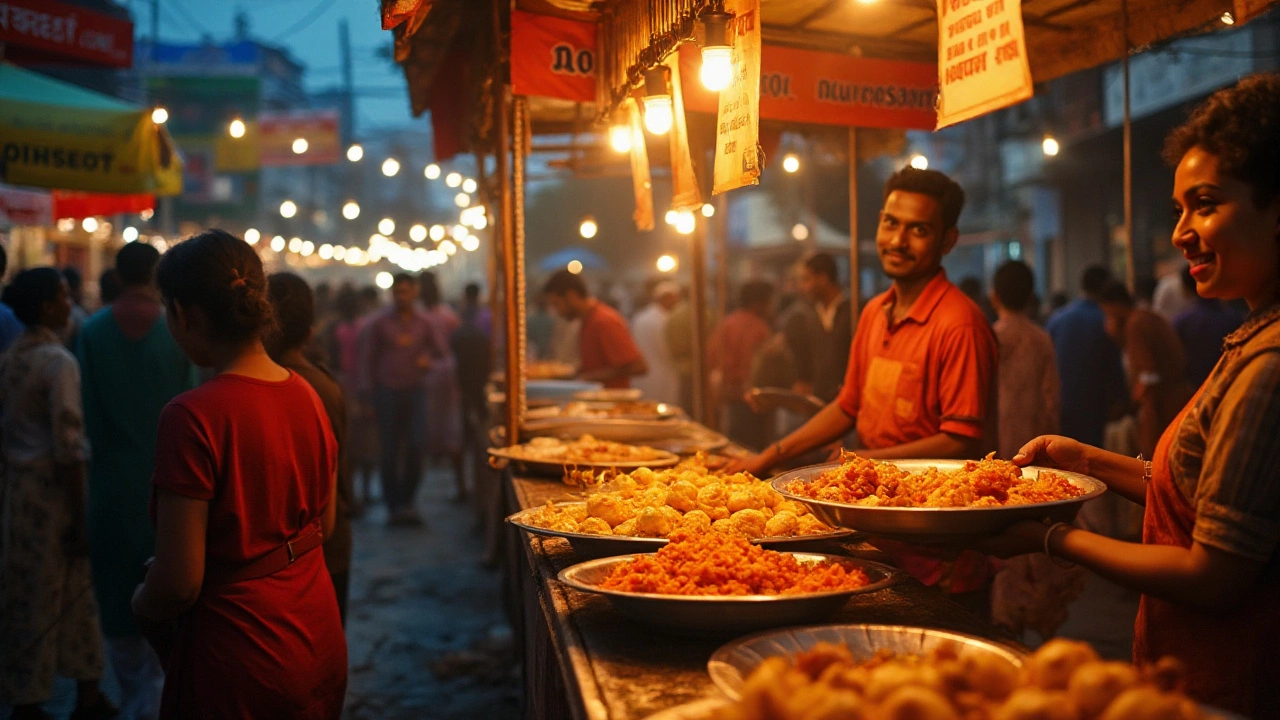
When you think of Indian street food, the vibrant, chaotic, and deeply flavorful food sold by vendors across India’s sidewalks, markets, and train stations. Also known as roadside cuisine, it’s not just about eating—it’s about experience, timing, and technique passed down through generations. This isn’t fast food as you know it. It’s food made fresh in front of you, with ingredients that have been prepped for hours, sometimes days, before the first customer shows up.
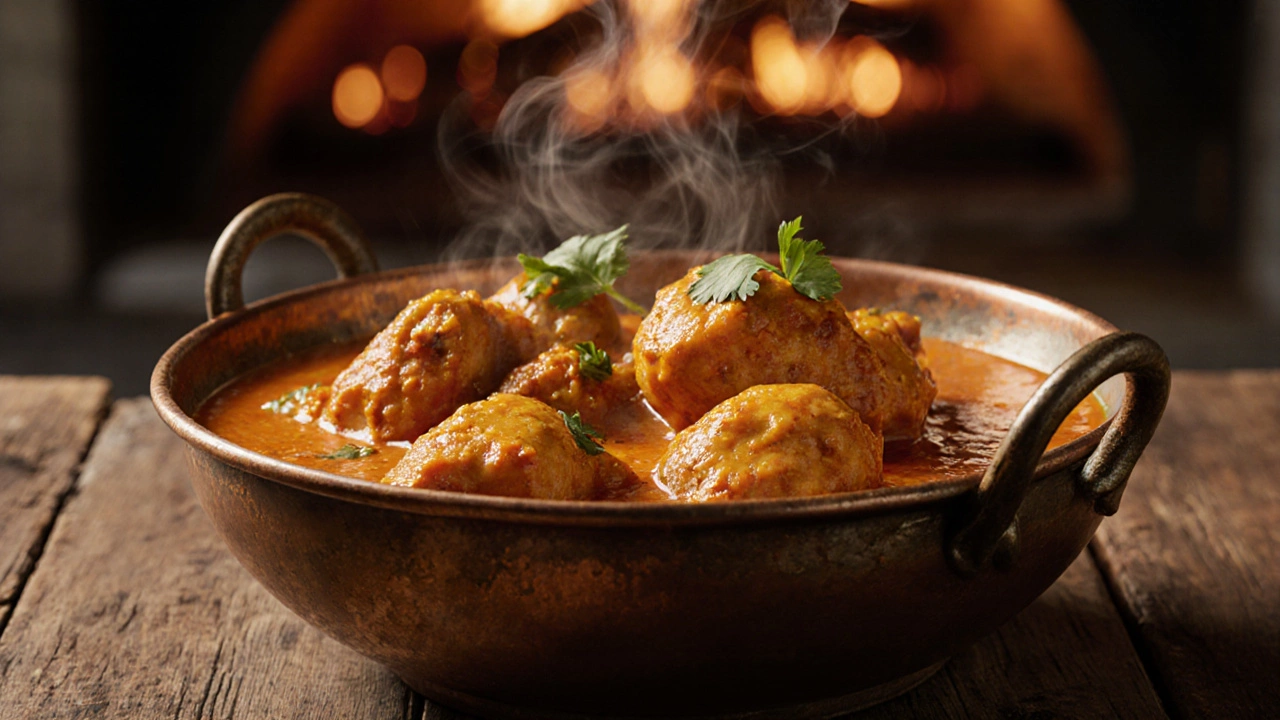
Behind every crispy dosa, a thin, fermented rice and urad dal crepe that puffs up perfectly when cooked on a hot griddle is a batter soaked for exactly 6 to 8 hours—not longer, not shorter. Too little time and it won’t ferment; too much and it turns slimy. That’s the kind of detail that separates good street food from great. And it’s not just dosa. The same precision goes into paneer, fresh Indian cheese made by curdling milk with lemon juice or vinegar, then pressed into firm blocks. Street vendors soak paneer before tossing it into curries or tikkas because raw paneer is rubbery. Soaking it in warm water for 10 minutes turns it soft, juicy, and ready to soak up spice. Even the famous biryani, a layered rice dish with meat, spices, and saffron, cooked slowly to lock in flavor you find at night stalls isn’t just thrown together. It’s layered, sealed with dough, and steamed for hours—no shortcuts.
What makes Indian street food work isn’t fancy equipment or imported ingredients. It’s control. Control over fermentation, heat, timing, and texture. It’s knowing that roti doesn’t need baking powder to puff—just the right dough, a hot tawa, and a quick press. It’s understanding that thick curry comes from slow-cooked onions and tomatoes, not cream or flour. These aren’t secrets locked away in kitchens—they’re the daily practice of millions of vendors who feed the country, one plate at a time.
You won’t find these tricks in cookbooks written for home chefs who have time to wait. But you’ll find them here—in real, tested, street-tested methods that work under pressure, in heat, and with limited tools. Whether you’re trying to make dosa batter that rises right, paneer that doesn’t crumble, or biryani that smells like it came from a Lucknow alley, what follows isn’t theory. It’s what actually happens on the ground.