Spiciest Indian Curries: Hotter Than Chicken Tikka
Indian Curry Heat Calculator
Enter a Scoville Heat Unit (SHU) value to see which Indian curry matches it and how it compares to Chicken Tikka.
Ever wondered which Indian curry can actually make you sweat more than a plate of chicken tikka? You’re not alone. While tikka is beloved for its smoky flavor, it’s hardly the benchmark for heat. In this guide we’ll rank the curries that truly turn up the temperature, explain why they’re so fiery, and give you practical tips to handle the burn without reaching for the fire extinguisher.
How Indian cuisine measures heat
India doesn’t have a single, official scale for spice, but chefs and diners commonly refer to the Scoville Scale - a measurement originally designed for pure chilli peppers - to give a rough idea of a dish’s heat. In street‑food markets, you’ll hear phrases like “mild,” “medium,” “hot,” and “extra hot.” These labels are subjective, but they help you decide whether to order a side of raita or brace for a full‑blown flame‑thrower.
Chicken Tikka - the mild reference point
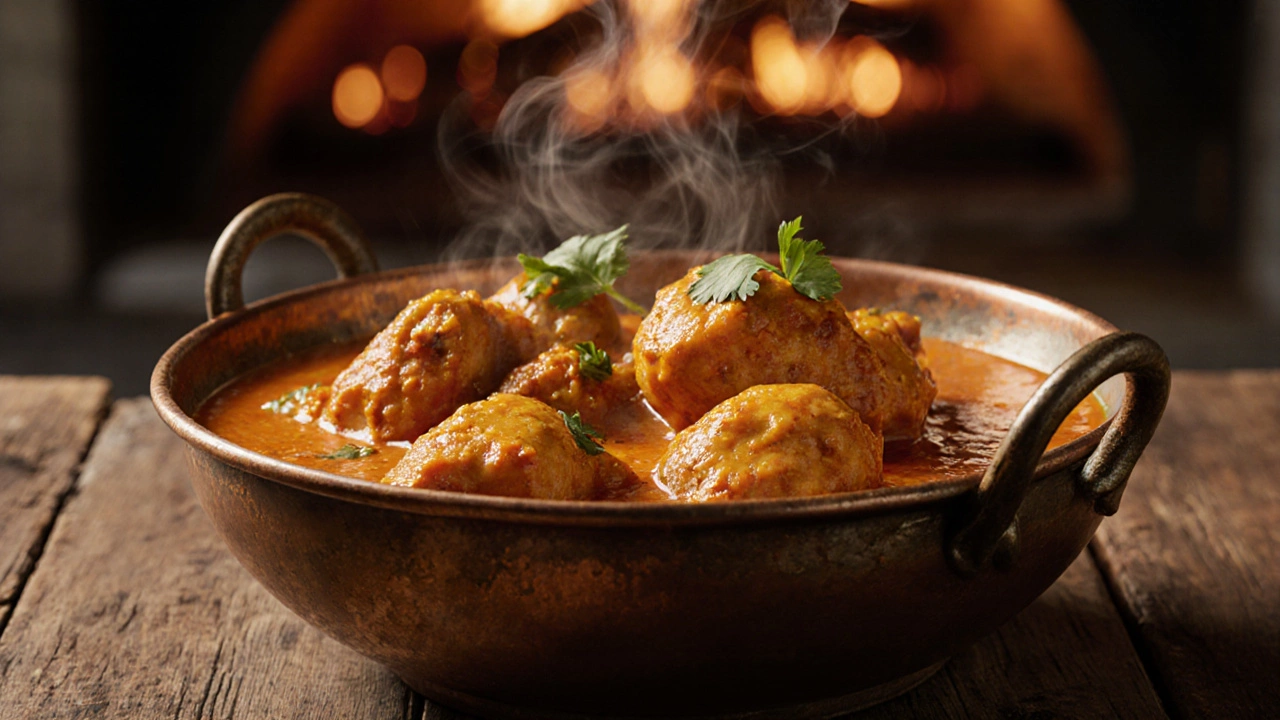
Chicken Tikka Curry is a classic North‑Indian dish where boneless chicken pieces are marinated in yoghurt, lemon, and a gentle blend of spices before being grilled in a tandoor. The finished curry carries a smoky aroma and a buttery richness, but its chilli factor usually stays under 2,000 Scoville Heat Units (SHU). That’s why many first‑time diners use it as a baseline to judge what “spicy” really feels like.
Phaal - the notorious heat champion
If you want a curry that literally makes you sweat, go straight to Phaal Curry. Originating in the Bangladeshi‑run curry houses of Birmingham, Phaal is engineered to be the hottest dish on the menu. It mixes seven different chilies - including the dreaded Bhut Jolokia (ghost pepper) - and a heavy dose of ginger, garlic, and turmeric. The result is a sauce that can push above 1,000,000 SHU, easily eclipsing chicken tikka’s gentle warmth.
Vindaloo - Goa’s fiery favorite
Another heavyweight is Vindaloo, a legacy of Portuguese colonisation in Goa. Traditional vindaloo uses pork marinated in vinegar, garlic, and a massive amount of red chilli powder. Compared to tikka, vindaloo typically lands in the 30,000‑50,000 SHU range, making it a solid “hot” but not quite a death‑ray. The tangy vinegar cuts through the heat, creating a balanced, tongue‑tingling experience.
Laal Maas - Rajasthan’s red‑hot meat stew
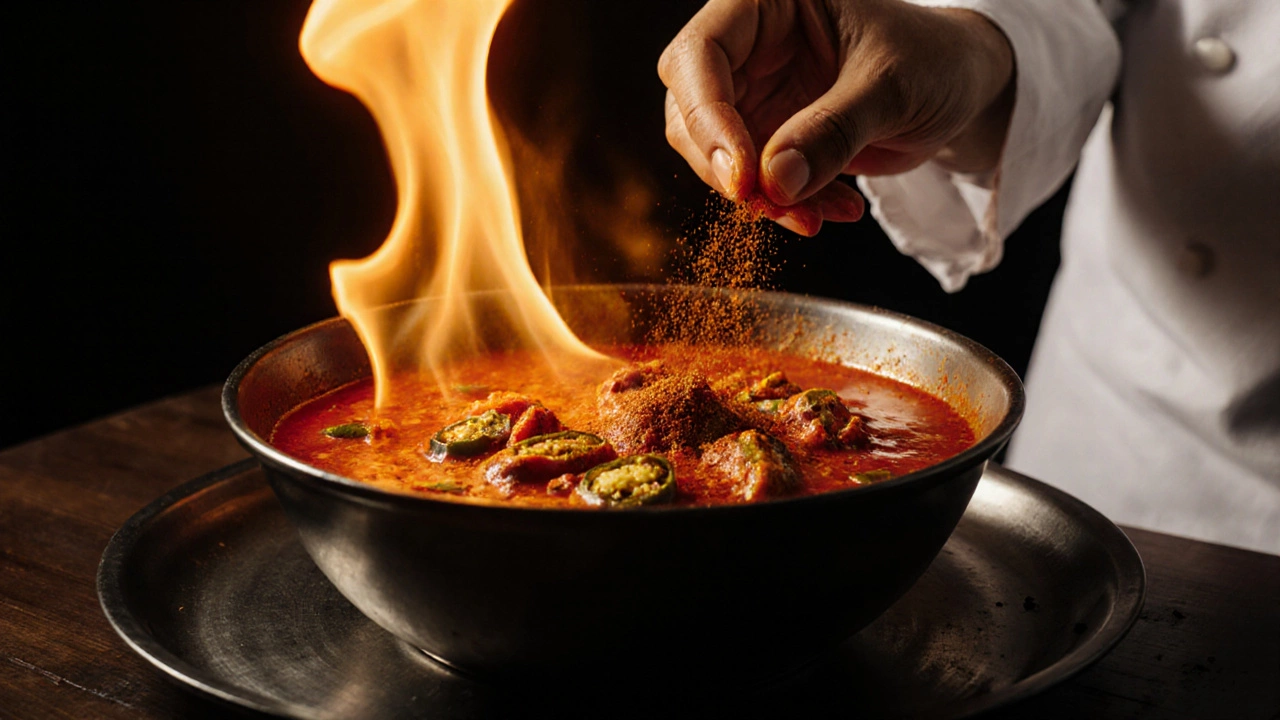
From the desert state of Rajasthan comes Laal Maas. “Laal” means red, and the dish lives up to its name with a sauce built around Kashmiri red chillies, which are milder in flavour but used in such quantities that the heat builds steadily. Laal Maas sits around 40,000‑70,000 SHU, placing it comfortably above chicken tikka and making it a go‑to for diners seeking a genuine burn without the extreme throat‑scorch of Phaal.
Bhut Jolokia Curry - when chilies meet curry
For thrill‑seekers, a bhut jolokia‑based curry pushes the envelope. The ghost pepper rates between 800,000‑1,041,427 SHU, so even a modest amount can send the entire dish into the “extreme” category. Chefs often blend the pepper with coconut milk to temper the raw heat, but the result still feels like a volcano compared to the gentle fizz of chicken tikka.
How to gauge heat before ordering
- Ask about the chilli level. Most Indian restaurants label dishes as “mild,” “medium,” “hot,” or “extra hot.” If they use the Scoville numbers, you’re in safe hands.
- Check the ingredient list. Words like “Bhut Jolokia,” “ghost pepper,” “habanero,” or “scotch bonnet” signal a serious heat level.
- Observe the colour. Bright reds and deep oranges often mean a higher chilli concentration, especially in dishes like Laal Maas.
- Read reviews. Diners love to mention if a curry blew their mind (or their taste buds).
Cooling tricks for when the heat bites back
Even the toughest heat‑tolerant eater needs a rescue plan. Here are quick fixes that work on the street‑food level:
- Yoghurt or raita. The cooling proteins bind to capsaicin, the compound that makes chilies hot.
- Starchy sides like naan, rice, or papadum absorb excess sauce.
- Sugar or honey drizzle - a tiny spoonful can mellow the fire.
- Acidic punches: squeeze lemon or sprinkle a splash of tamarind chutney.
Quick heat comparison
| Curries | Typical Scoville (SHU) | Main Heat Source | Region |
|---|---|---|---|
| Chicken Tikka Curry | 1,000‑2,000 | Mild paprika & garam masala | North India |
| Phaal Curry | 1,000,000‑1,500,000 | Bhut Jolokia, habanero blend | UK (Birmingham) |
| Vindaloo | 30,000‑50,000 | Red chilli powder + vinegar | Goa |
| Laal Maas | 40,000‑70,000 | Kashmiri red chillies | Rajasthan |
| Bhut Jolokia Curry | 800,000‑1,041,000 | Ghost pepper (Bhut Jolokia) | Assam/Northeast India |
Street‑food hacks for the adventurous
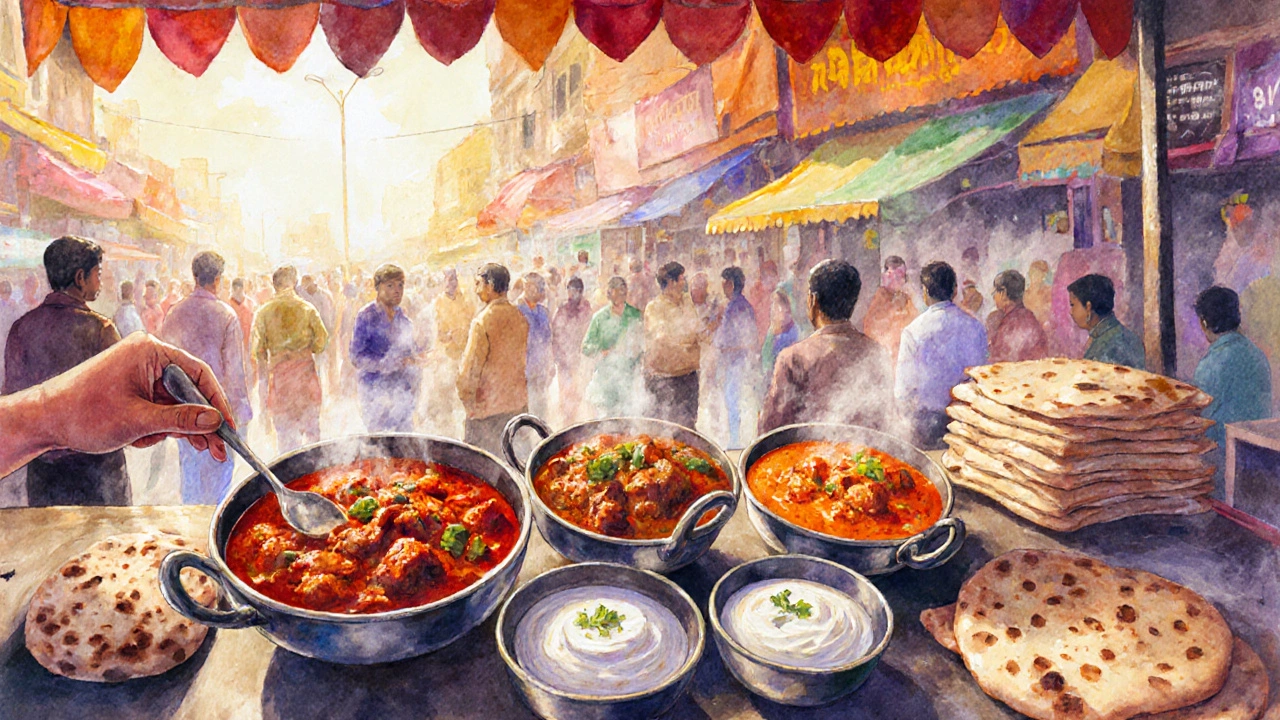
When you’re roaming a bustling Indian market in Delhi, Kolkata, or even Birmingham’s Balti Triangle, look for stalls that shout “extra hot” or display the ghost‑pepper icon. These vendors often serve their heat on a silver spoon, encouraging you to try a tiny bite first. Take the plunge, then balance it with a side of sweet mango chutney - the sweetness neutralises capsaicin and turns the experience into a flavor adventure, not a nightmare.
FAQ
Is Phaal really the hottest Indian curry?
Yes, Phaal is widely regarded as the hottest commercially‑served Indian curry. It combines several ultra‑hot chilies, often topping 1 million SHU, which dwarfs the heat of most traditional dishes.
Can I make a hotter curry at home than the ones listed?
Absolutely. By adding fresh Bhut Jolokia or even Carolina Reaper peppers, you can push the heat beyond the commercial limits. Just remember to wear gloves and keep a glass of milk nearby.
What side dish best cools down a fiery curry?
A generous dollop of yoghurt‑based raita or plain yoghurt works best. The fat in dairy binds to capsaicin, removing it from the receptors on your tongue.
Is the heat level the same across all restaurants?
No. Heat varies by chef, region, and even the batch of chilies used that day. Always ask the staff about the current spice level before ordering.
How does the Scoville Scale apply to cooked dishes?
Cooking can reduce a chilli’s perceived heat slightly, but the Scoville rating of the raw pepper still gives a solid baseline. Most Indian curries inherit the SHU range of the primary chilies they contain.
So the next time you’re faced with a menu that boasts “extra hot,” you now know which dishes genuinely out‑spice chicken tikka. Whether you’re chasing the thrill of Phaal or prefer the balanced burn of Vindaloo, you’ve got the tools to order confidently and enjoy the experience-without ending up in need of a fire‑extinguishing drink.