Indian Bread: Types, Traditions, and How They're Made
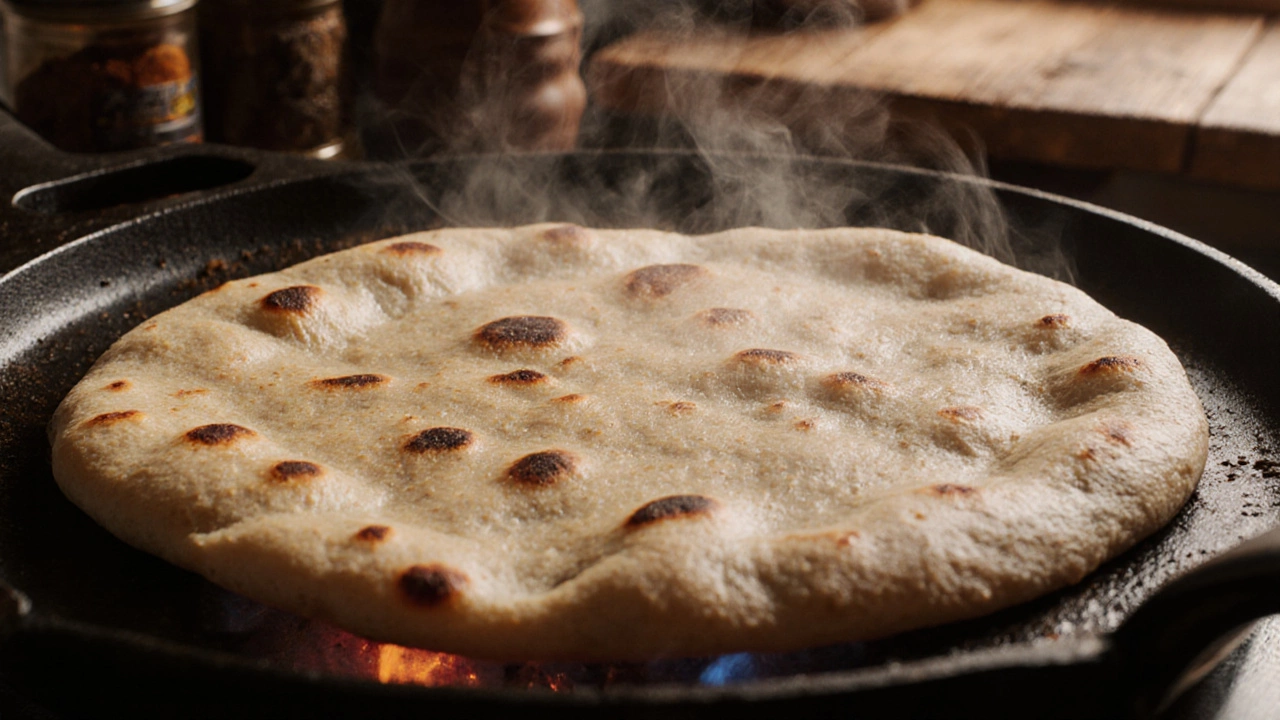
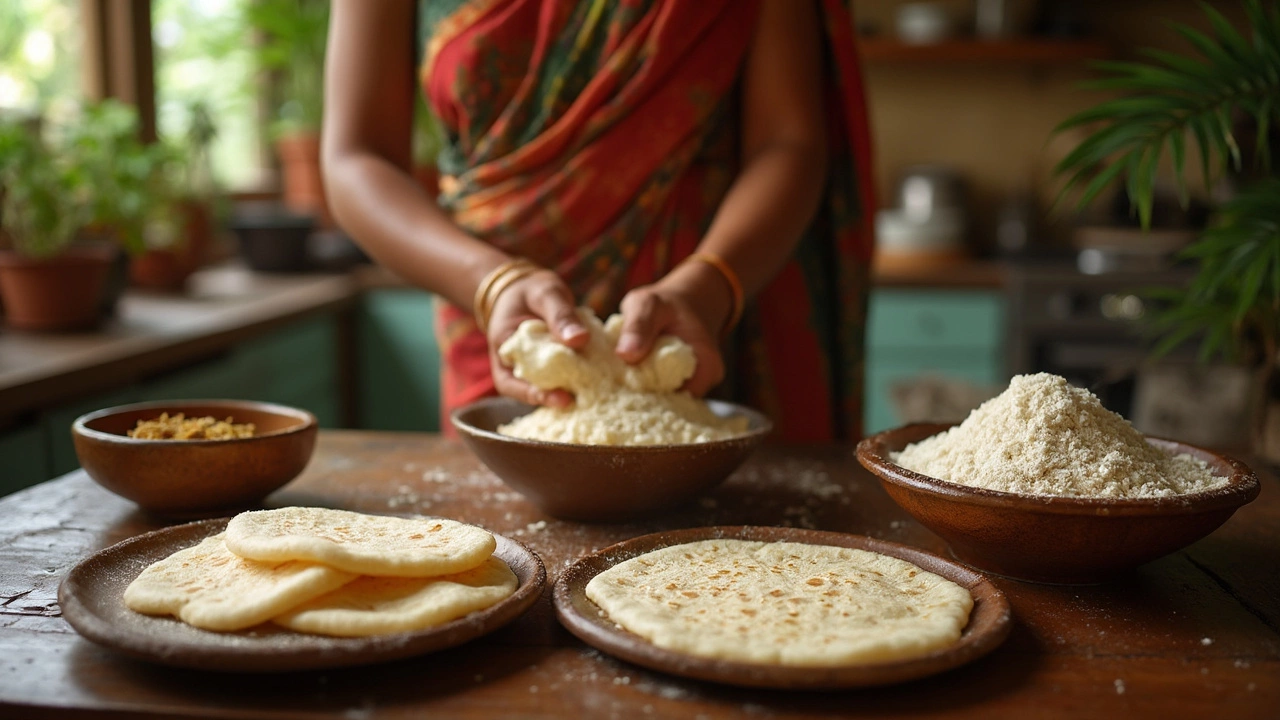
When you think of Indian bread, a broad category of unleavened and leavened flatbreads central to daily meals across India. Also known as roti, it's not just food—it's the edible utensil that scoops up curry, holds chutney, and turns a simple meal into something deeply satisfying. Every region has its version: the thin, charred roti, a basic whole wheat flatbread cooked on a tawa, the pillowy naan, a leavened bread baked in a tandoor oven, the layered paratha, a flaky, fried bread often stuffed with potatoes or paneer, and the simple chapati, a synonym for roti in many homes, made with just flour, water, and salt. These aren’t fancy restaurant dishes—they’re what millions eat every morning, noon, and night.
What makes Indian bread so different from Western bread? It’s the technique, the heat, and the intention. Roti doesn’t rise like sourdough—it’s pressed thin and cooked fast, getting those signature brown spots from direct contact with a hot surface. Naan needs yeast and yogurt to puff up in a 900°F tandoor, a firepit-style oven still used in homes and street stalls alike. Paratha gets its layers from folding and buttering dough repeatedly, a process that takes patience but rewards you with crunch and softness in every bite. These aren’t just recipes—they’re skills passed down, tested over generations. You won’t find a single Indian household that doesn’t have a tawa or a rolling pin. And if you’ve ever eaten dal and rice with your fingers, you know bread isn’t just eaten—it’s used.
Indian bread isn’t tied to one meal. It’s breakfast with kadhi, lunch with rajma, dinner with butter chicken, and even snack time with achaar. It’s the vehicle for flavor, the texture contrast to spicy curries, and the comfort in every bite. Whether you’re making it at home with a gas stove or buying it fresh from a roadside vendor, the ritual is the same: warm, soft, and always just right. Below, you’ll find real guides on how to get the texture right, why some breads need soaking or resting, and how the simplest ingredients—flour, water, heat—can create something unforgettable.