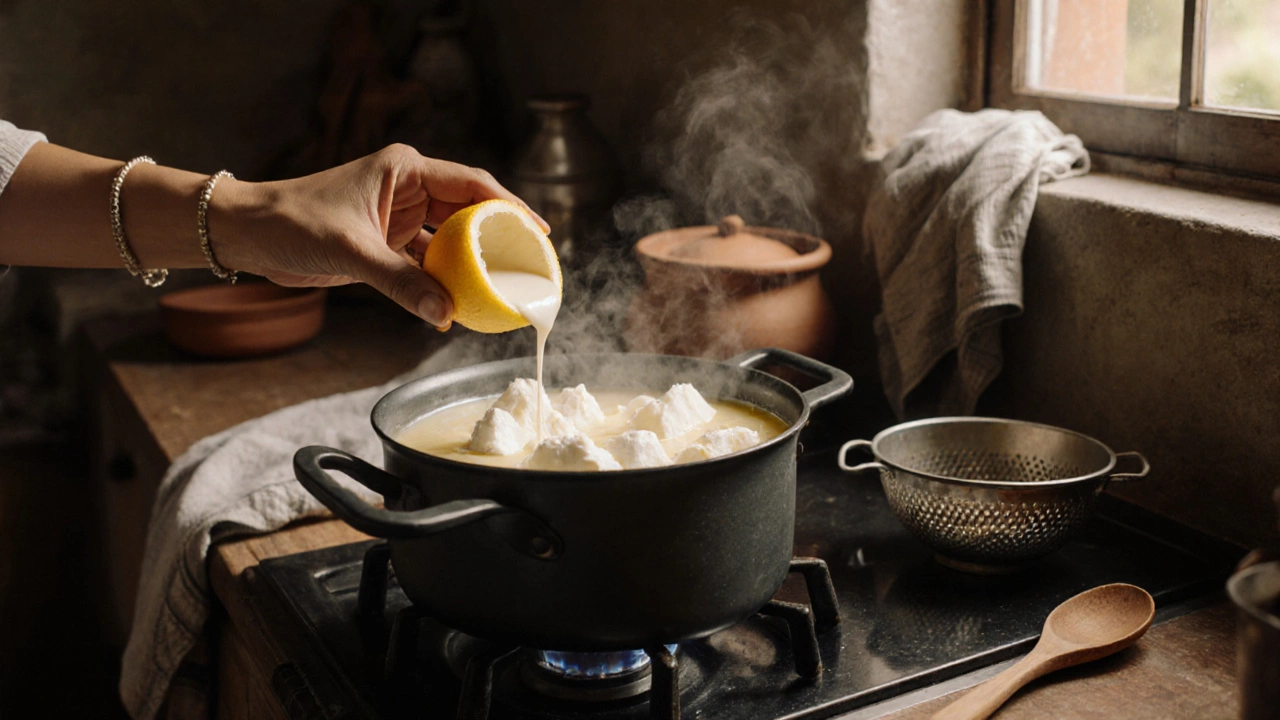
How to Make Paneer from Scratch at Home
Learn how to make fresh paneer from scratch using just milk and lemon juice. A simple, cost-effective method for perfect homemade Indian cheese every time.
When you make homemade paneer, a fresh, non-melting Indian cheese made by curdling milk with acid. Also known as Indian cottage cheese, it’s the backbone of countless curries, snacks, and street food dishes across the country. Unlike processed cheese, paneer holds its shape when grilled, fried, or simmered—making it perfect for dishes like palak paneer, paneer tikka, or even paneer butter masala. The best part? You don’t need fancy equipment. Just milk, an acid like lemon juice or vinegar, and a little patience.
Most people buy paneer from the store, but store-bought versions often contain additives, stabilizers, or too much water. Homemade paneer tastes richer, firmer, and more authentic. It’s also cheaper. You need about 1 liter of whole milk to get roughly 200 grams of paneer—roughly the size of a small brick. Full-fat cow or buffalo milk works best; skim milk won’t give you the same yield or texture. The key is heating the milk slowly, then adding acid just as it simmers. Once the curds separate from the whey, you strain them in a cloth, press them under a weight for 30 minutes, and you’ve got fresh paneer. No salt, no preservatives, no mystery ingredients.
People often wonder why their paneer turns out crumbly or too soft. That’s usually because of the milk temperature, the type of acid, or how long they pressed it. Boiling the milk too fast burns the proteins. Using too much lemon juice makes it grainy. And skipping the pressing step means your paneer stays wet and falls apart in the curry. These aren’t tricks—they’re basics. And once you get them right, you’ll never go back to the plastic-wrapped blocks at the supermarket.
Homemade paneer isn’t just about food—it’s about control. You decide the fat content, the firmness, even the flavor. Want it slightly salty? Add a pinch before pressing. Want it extra soft for desserts? Skip the weight. It’s a simple process that connects you to how food was made for generations before industrial dairies took over.
Below, you’ll find real guides from people who’ve made paneer dozens of times—some with milk from local dairies, others using plant-based alternatives. You’ll learn how much milk you really need, why some recipes fail, and how to fix common mistakes. No fluff. Just what works.
Learn how to make fresh paneer from scratch using just milk and lemon juice. A simple, cost-effective method for perfect homemade Indian cheese every time.
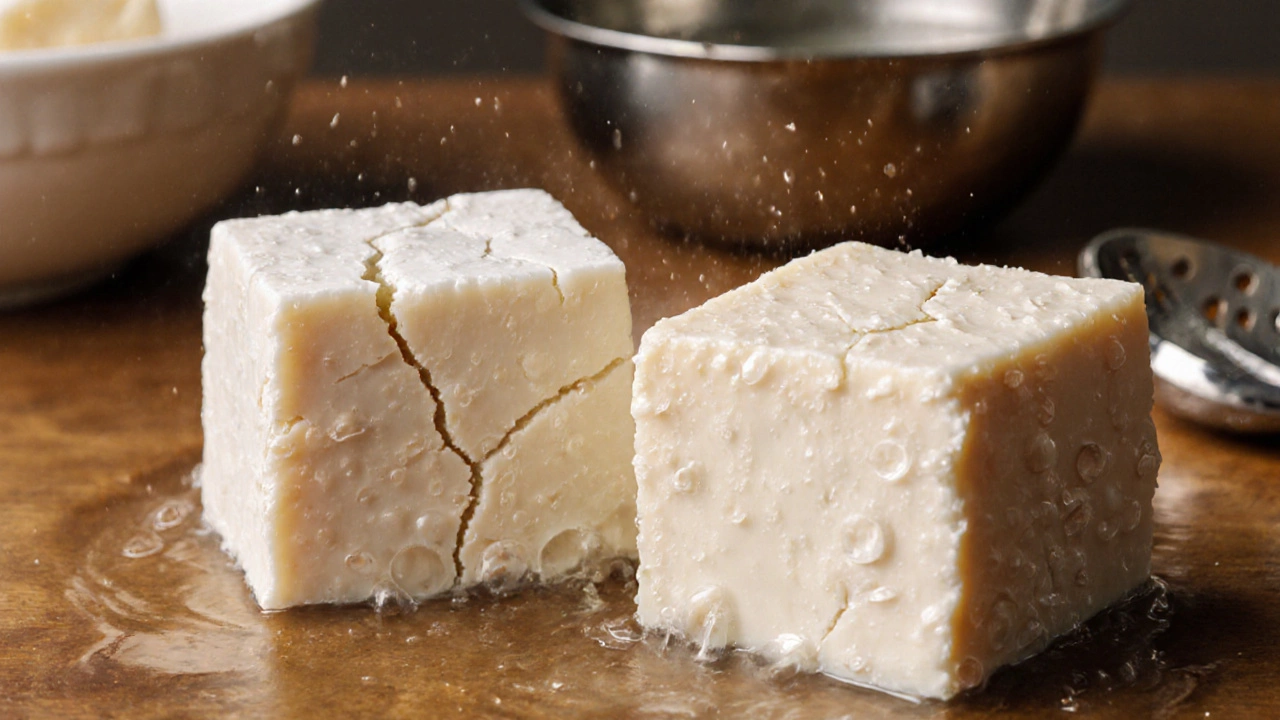
Soaking paneer before cooking transforms it from rubbery to soft and flavorful. Learn why this simple step makes all the difference in curries, tikkas, and homemade dishes.
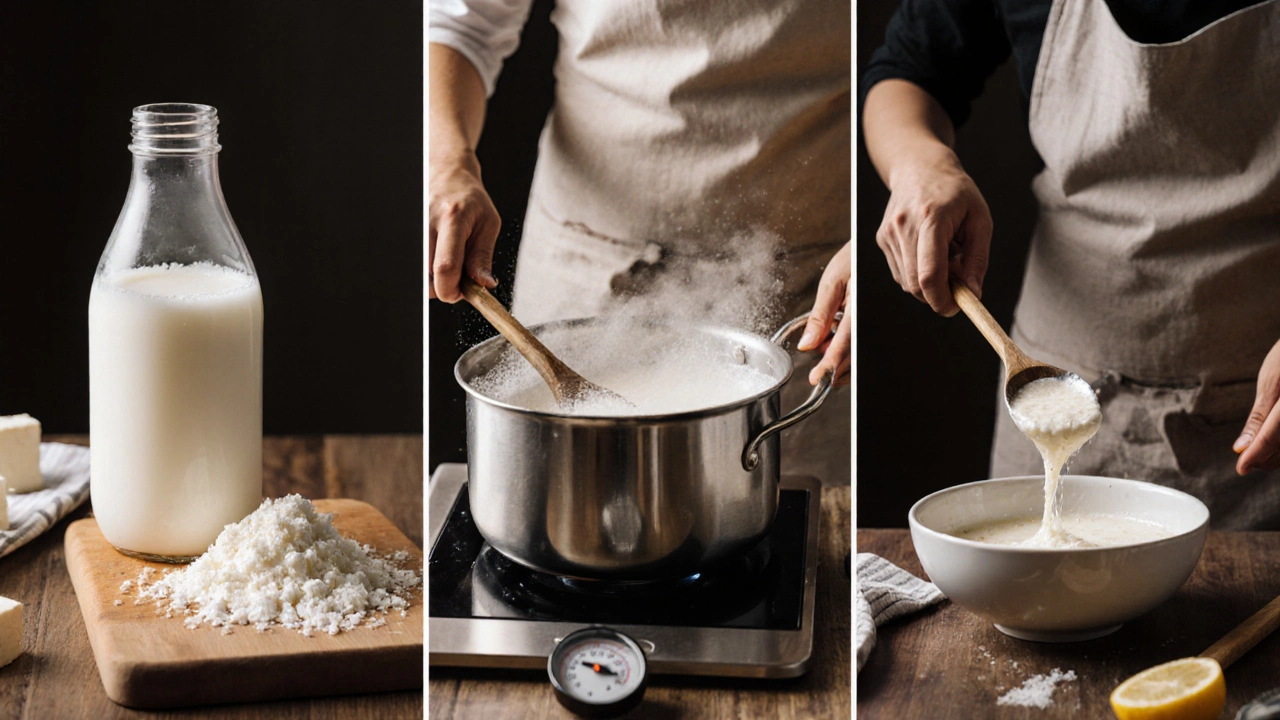
Learn the common mistakes that ruin homemade paneer and how to fix them. Get a step‑by‑step guide, troubleshooting table, and FAQs for perfect cheese every time.

Ayurveda has quite a firm stance when it comes to curd, even though it's a common staple in many households. This article digs into the real reasons why curd isn't favored by Ayurveda, especially compared to other dairy foods like homemade paneer. You'll find out how curd interacts with digestion, when it can mess things up, and what smart alternatives you’ve probably never considered. We’ll also bust a few popular dairy myths, helping you make tastier and healthier choices in your kitchen. Expect practical tips that actually work—no vague wellness talk here.