Healthy Indian Food: Real Recipes, Simple Secrets, and What Actually Works
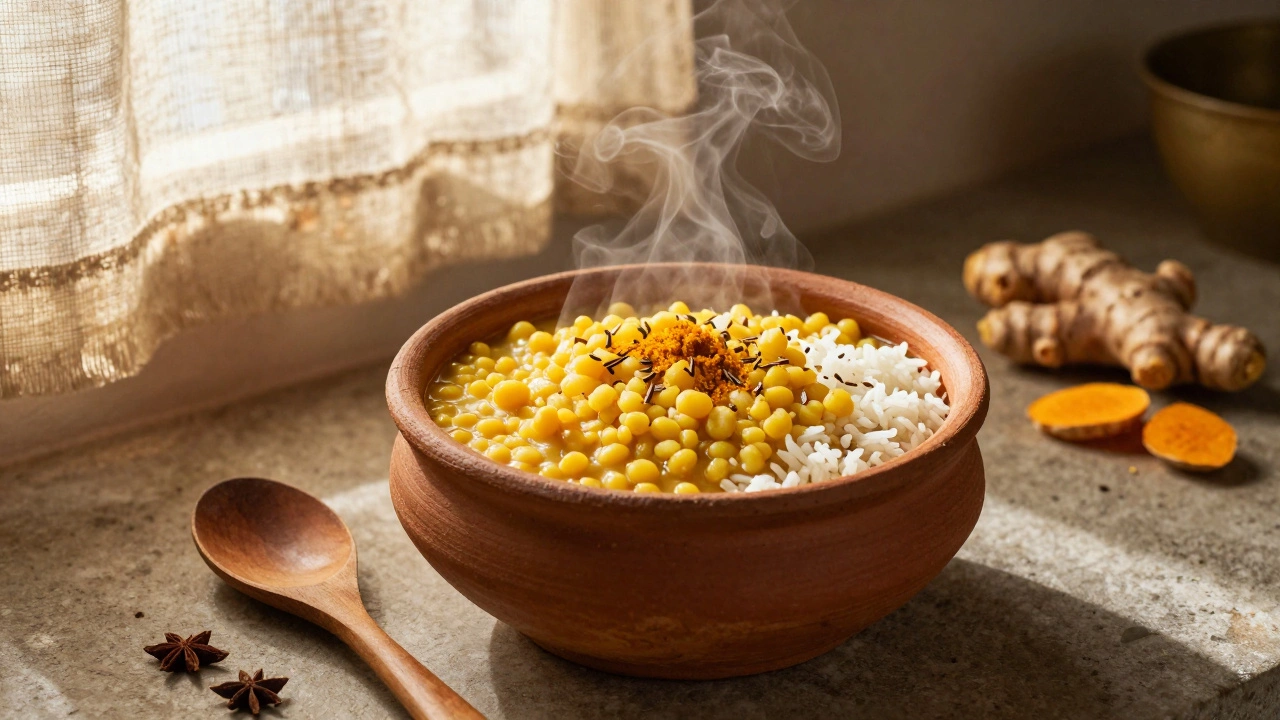
When people think of healthy Indian food, a style of eating rooted in whole grains, legumes, vegetables, and spices that support digestion and long-term wellness. Also known as traditional Indian diet, it's not about cutting out carbs or chasing protein shakes—it's about how food is made, not just what’s on the plate. Most of the meals that keep millions of Indian families strong every day were never designed to be "healthy"—they just are. Think of idli, made from fermented urad dal and rice, or homemade paneer cooked in tomato gravy. These aren’t trendy superfoods. They’re everyday staples that happen to be packed with protein, fiber, and gut-friendly bacteria.
What makes urad dal, a black lentil used in South Indian breakfasts, fermented batter, and protein-rich snacks so powerful isn’t just its protein—it’s how it’s prepared. Soaking it for 6 to 8 hours unlocks nutrients and makes it digestible. That’s not a tip from a nutritionist—it’s what grandmothers have done for centuries. Same goes for paneer, a fresh Indian cheese made from milk and acid, not rennet, and used in everything from curries to snacks. The secret to soft paneer? Soaking it in warm water before cooking. No fancy gadgets. No expensive brands. Just one simple step most people skip.
Healthy Indian food doesn’t mean bland. It means skipping cream, oil, and refined flour—not flavor. Indian restaurants make thick curries by slow-cooking onions and tomatoes until they melt into a rich base. No cream. No flour. Just time. And when it comes to night snacks, you don’t need chips or sweets. A handful of roasted chana, a bowl of curd with cucumber, or spiced moong dal cheela can keep your metabolism active and your hunger quiet. These aren’t diet foods. They’re just how people ate before processed snacks took over.
The real shift isn’t in what you eat—it’s in how you cook it. Homemade roti doesn’t need baking powder. Its puff comes from steam and heat. Jalebi might be India’s most famous sweet, but it’s not the only thing that matters. Healthy Indian food includes the breakfasts that fuel factory workers, the snacks that keep students going, and the dinners that bring families together—all without needing a label that says "low-fat" or "gluten-free."
What You’ll Find Here
You’ll find the real stories behind the dishes that actually work: how to make paneer without waste, why soaking urad dal changes everything, what night snacks help with belly fat, and why breakfast in India isn’t just a meal—it’s a ritual. No fluff. No fads. Just what’s been tested in kitchens across the country for generations.