Grilled Cheese: How It's Made, Why It Matters in Food Manufacturing
When you bite into a grilled cheese, a simple sandwich made by heating bread and cheese until the cheese melts and the bread turns golden. Also known as toasted cheese sandwich, it's one of the most common food items produced at scale in commercial kitchens and food plants across India. But behind that warm, gooey bite is a chain of food manufacturing steps you never see—pasteurized milk processing, controlled cheese aging, precise butter application, and uniform heating methods that keep every slice consistent.
Grilled cheese doesn’t just rely on good bread and cheese—it needs food processing, the physical and chemical methods used to turn raw ingredients into safe, shelf-stable, and uniform food products. The cheese inside? It’s made through coagulation, curd separation, pressing, and aging—all unit operations found in any dairy plant. The bread? It’s baked using standardized oven cycles that control moisture loss and crust formation. Even the butter or oil used to toast it is measured by weight, not spoonfuls, because consistency matters when you’re making thousands of sandwiches an hour.
What makes a grilled cheese work isn’t just heat—it’s timing, temperature control, and ingredient compatibility. If the cheese melts too fast, it oozes out. If the bread burns before the cheese softens, you get a bad sandwich. That’s why food manufacturers test cheese varieties like cheddar, mozzarella, and processed American cheese for melt point, moisture content, and stretch. They also test bread types for water absorption and crust durability under direct heat. These aren’t kitchen experiments—they’re lab-grade evaluations that ensure every packaged grilled cheese from a factory tastes the same, every time.
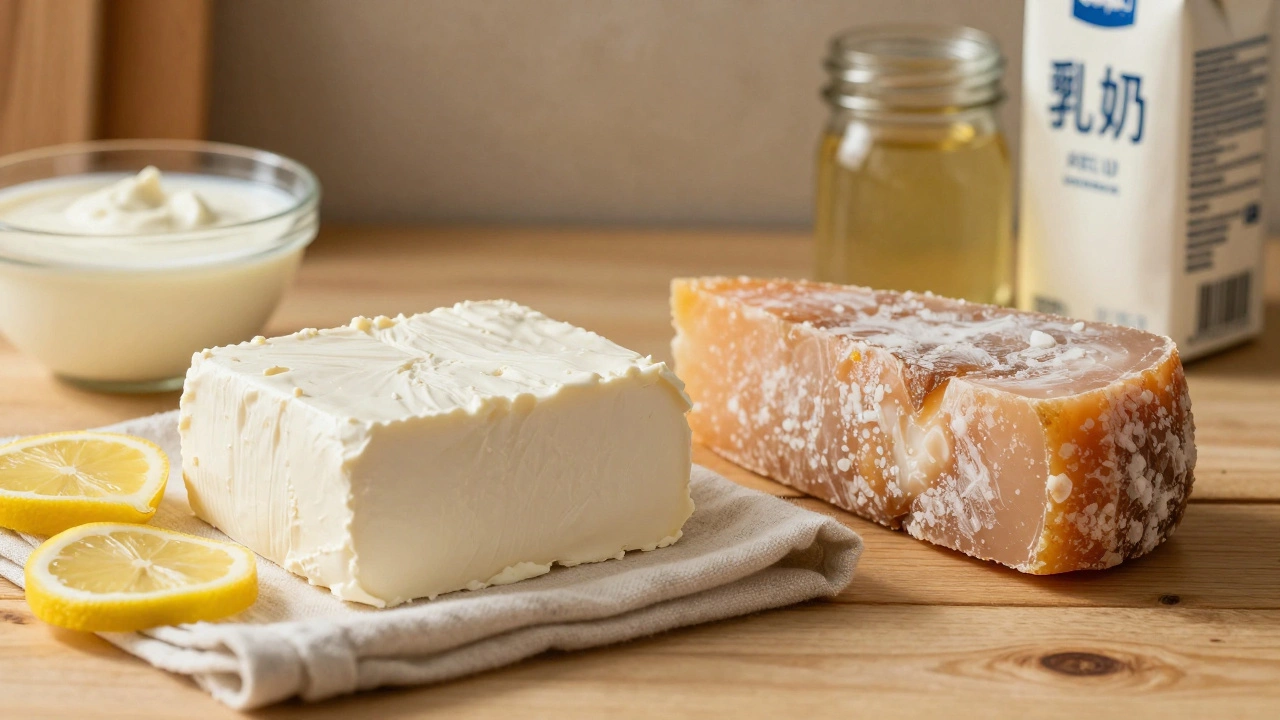
You’ll find this same logic in the posts below. From how to make paneer from milk to why soaking cheese changes its texture, these articles break down the real science behind everyday foods. You’ll see how dairy processing affects cheese quality, how heat transforms ingredients, and why small changes in preparation make big differences in the final product. Whether you’re making grilled cheese at home or managing a food line that produces it, understanding these steps helps you control the outcome.