Food Processing in India: How Everyday Foods Are Made at Scale
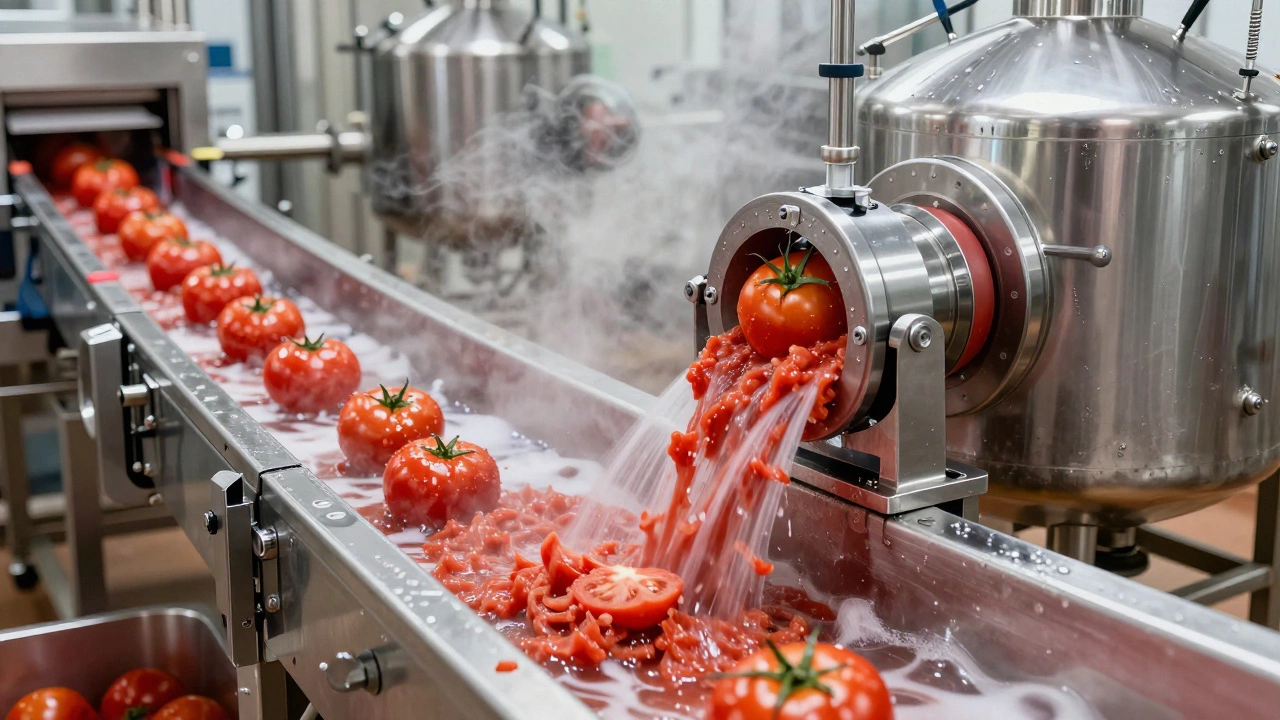
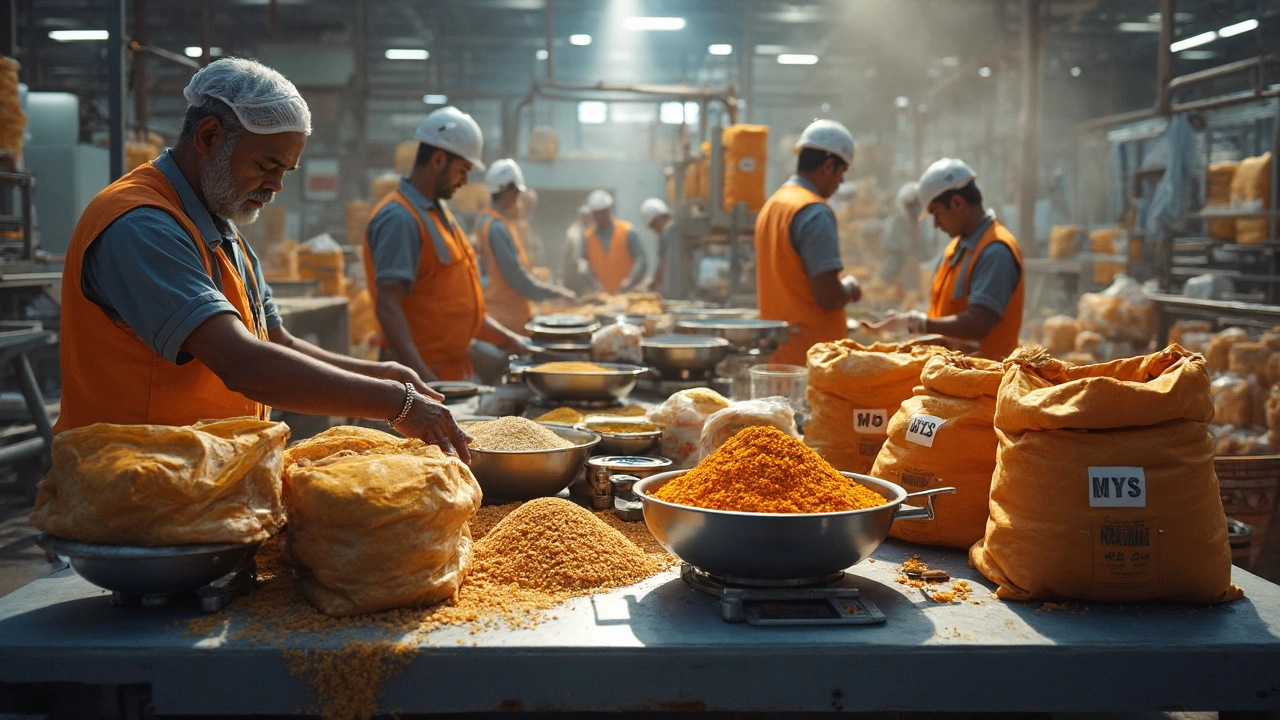
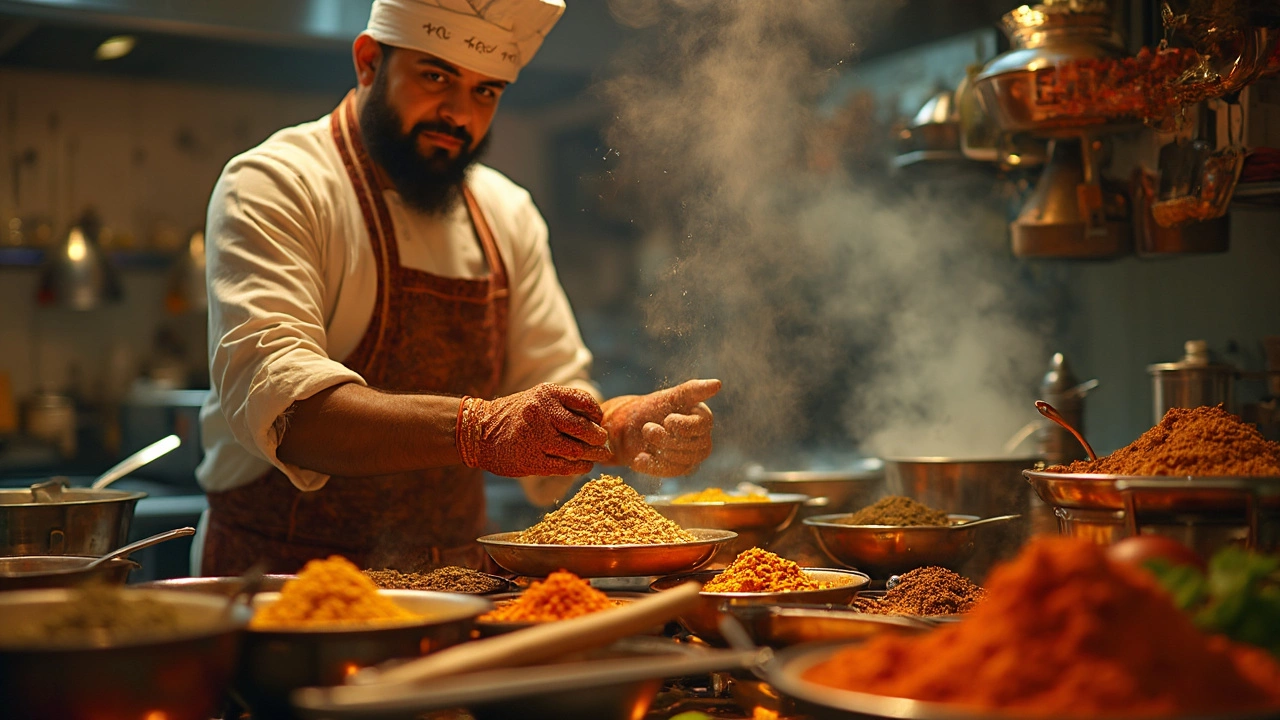
When you think of food processing, the transformation of raw ingredients into ready-to-eat or shelf-stable products using industrial methods. Also known as food manufacturing, it's not just factories and machines—it’s the quiet science behind your morning idli, your evening paneer curry, and the dosa batter sold in local markets. In India, food processing isn’t a luxury. It’s the backbone of how millions eat every day. From small-scale home kitchens using traditional techniques to large plants churning out packaged snacks and dairy products, this industry connects farmers to families, and spices to supermarkets.
What makes Indian food processing unique? It blends ancient methods with modern efficiency. Take paneer, a fresh Indian cheese made by curdling milk with acid. Indian cheese—you can make it at home with lemon juice and milk, but factories do it with precise pH control, pasteurization, and hydraulic pressing to meet demand. Or consider urad dal, a black lentil essential for South Indian batter-based foods. black gram. Soaking it for exactly 6–8 hours isn’t a suggestion—it’s a chemical reaction that unlocks fermentation. Get it wrong, and your dosa turns gummy. Factories use temperature-controlled tanks to replicate this consistency, day after day.
Behind every processed food is a chain of decisions: What water quality matters for dough? How do you prevent spoilage without artificial preservatives? Why does some packaged curry last months while fresh curry spoils in two days? These aren’t random choices—they’re the result of food safety, standards and practices designed to protect consumers from contamination and spoilage, and food technology, the application of engineering and science to improve food production. In India, these systems are evolving fast. New regulations, better packaging, and smarter supply chains are pushing small processors to upgrade—or get left behind.
You’ll find posts here that show you exactly how these processes work in real life. How restaurants make curry thick without cream. Why roti doesn’t need baking powder. How much milk you actually need to make paneer. What happens when you soak dal too long. These aren’t just recipes—they’re windows into the hidden world of food processing that feeds the country. Whether you’re a home cook trying to replicate restaurant flavors, a small business owner scaling up, or just curious about what’s in your food, this collection gives you the real, no-fluff answers.