Food Manufacturing in India: How It Works and What’s Really Made
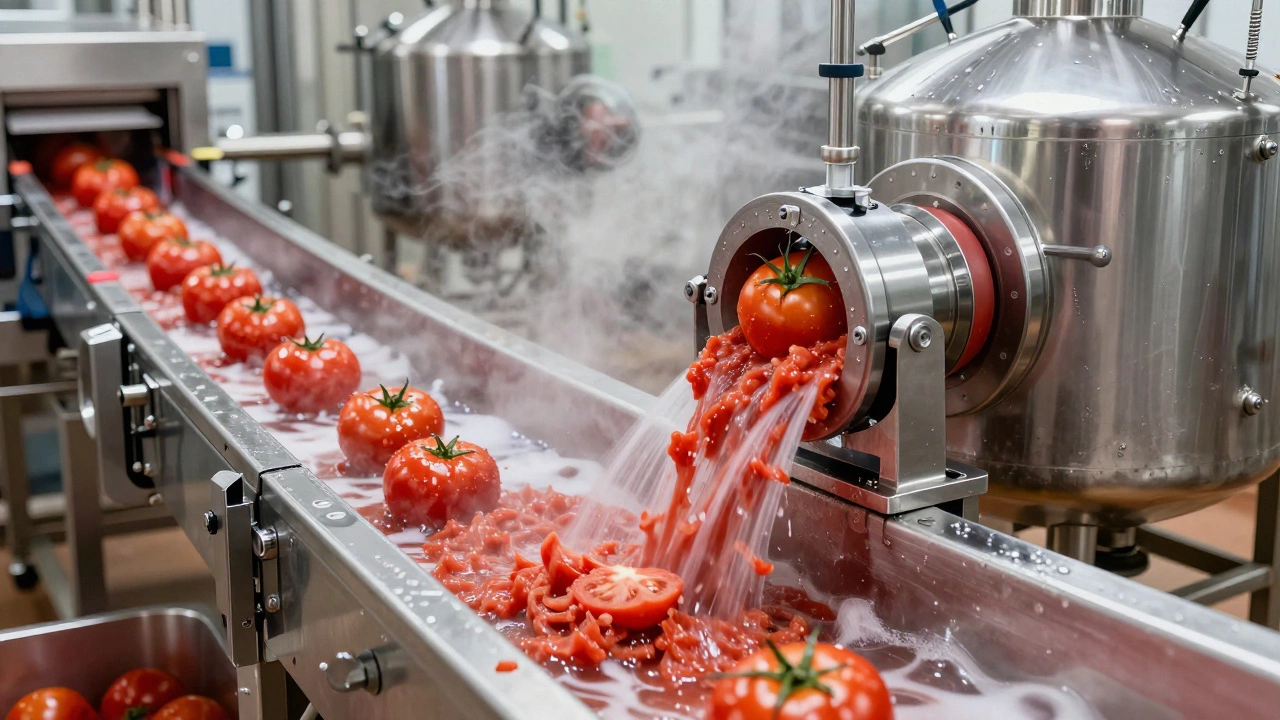
When you think of food manufacturing, the industrial process of turning raw ingredients into packaged food products for mass consumption. Also known as food processing, it’s not just big factories with robots—it’s also the tiny kitchens in Gujarat turning milk into fresh paneer, the mills in Punjab grinding spices, and the plants in Tamil Nadu canning pickles for export. This is where everyday food becomes something you buy, store, and eat without thinking twice.
Behind every dosa batter, biryani, or roti you eat, there’s a chain of decisions: How long to soak urad dal? How much milk makes one kilo of paneer? What chemical keeps the plastic container safe? These aren’t just recipes—they’re part of a larger system called food safety India, the set of standards and practices that ensure food doesn’t harm people during production. It’s why soaking paneer before cooking matters, why roti doesn’t need baking powder, and why sodium hydroxide is used in cleaning tanks at large plants. The same principles that keep your homemade cheese safe also protect what’s sold in supermarkets across Delhi, Mumbai, and Bangalore.
And it’s not just about what’s made—it’s about how it’s made. The 7S of manufacturing, a practical system for organizing workspaces to improve efficiency and safety is used in Indian food plants just like it’s used in car factories. Sort, Set in Order, Shine—these aren’t buzzwords. They’re the reason your spice packet doesn’t have dirt in it. Even small businesses making pickles or snacks rely on these methods to compete. And with rising demand for ready-to-eat meals and better packaging, the whole industry is shifting. Code 5 plastic (PP) is replacing older materials because it’s safe for food. Urea and chlorine are used not in your curry, but in cleaning equipment that touches it.
What you’ll find below isn’t a list of random recipes. It’s a window into how food actually moves from farm to table in India. You’ll see how restaurant curry gets so thick, why jalebi is India’s most loved sweet, and how one family’s paneer recipe can scale into a business. These posts don’t just teach you how to cook—they show you how food manufacturing works on the ground, in villages, in cities, and in factories you’ve never seen.