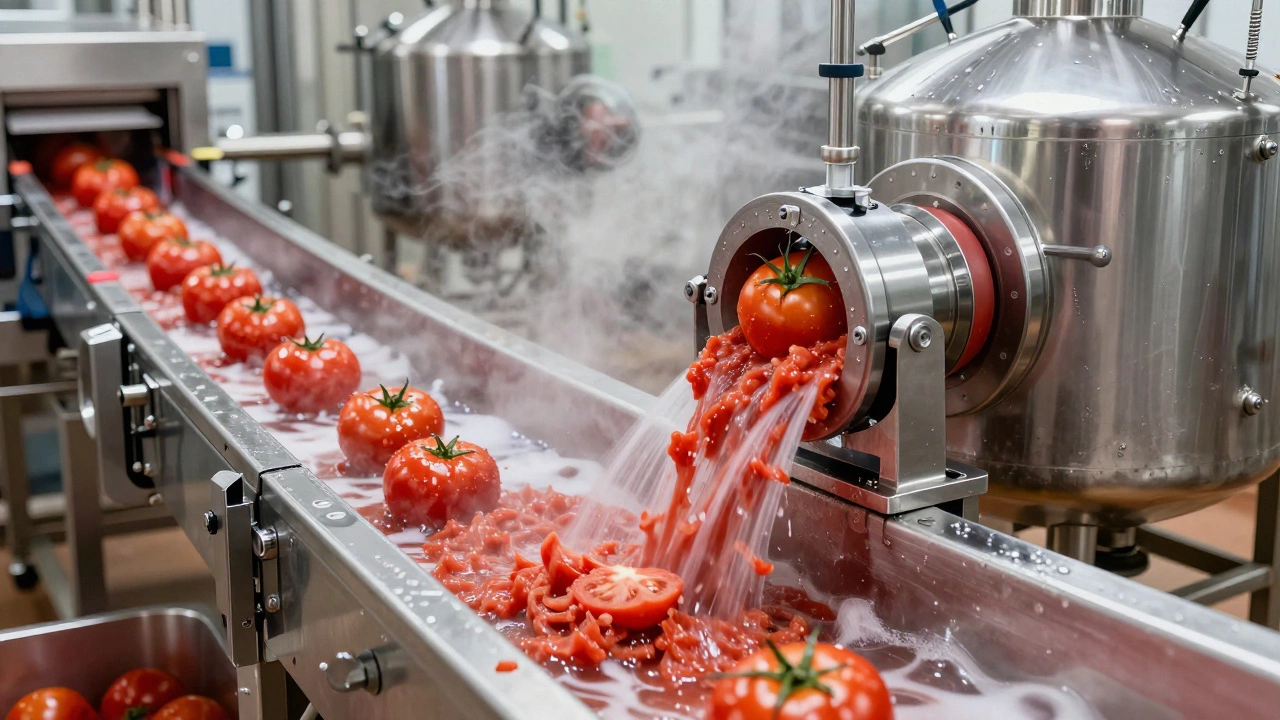
Food Engineering: How Science Shapes What You Eat in India
When you bite into a crispy dosa or a soft, pillowy roti, you’re not just tasting spices and tradition—you’re experiencing the work of food engineering, the application of science and engineering principles to food production, from raw ingredients to packaged goods. Also known as food technology, it’s what turns a home recipe into a product that lasts on shelves, travels across states, and feeds millions every day. This isn’t about fancy labs or robotics alone. In India, food engineering is the quiet force behind why your paneer doesn’t turn rubbery, why your biryani stays hot for hours, and how urad dal soaks just right to ferment into perfect batter.
It’s the same science that answers questions like: food processing, the methods used to transform raw agricultural products into consumable foods—like turning milk into paneer without chemicals, or why sodium hydroxide is used in cleaning equipment but never in your curry. It’s also tied to food safety, the practices and standards that prevent contamination and ensure food doesn’t make people sick. You won’t see it on the label, but every time you eat street food or buy packaged snacks, you’re trusting systems built by food engineers. They control temperature, humidity, pH levels, and microbial growth—not just for taste, but for survival. In Indian factories, this means ensuring that the same batch of spice blend used in Delhi tastes identical in Chennai, and that the plastic containers holding your yogurt (like Code 5 PP) won’t leach anything into your food.
And it’s not just about big companies. Small-scale manufacturers in India use food engineering every day—like the vendor who soaks paneer before cooking to fix texture, or the home-based producer who times fermentation down to the hour to get fluffy idlis. These aren’t magic tricks. They’re applied science. The posts below show you exactly how this works: from the exact milk-to-paneer ratios to why baking powder ruins roti, and how restaurants make curry thick without flour. You’ll see how lean manufacturing principles like the 7S system keep kitchens clean and efficient, and how chemical use in food plants is controlled, not hidden. This isn’t theory. It’s what’s happening in kitchens, factories, and back-alley workshops across India right now.