How to Make Paneer from Scratch at Home
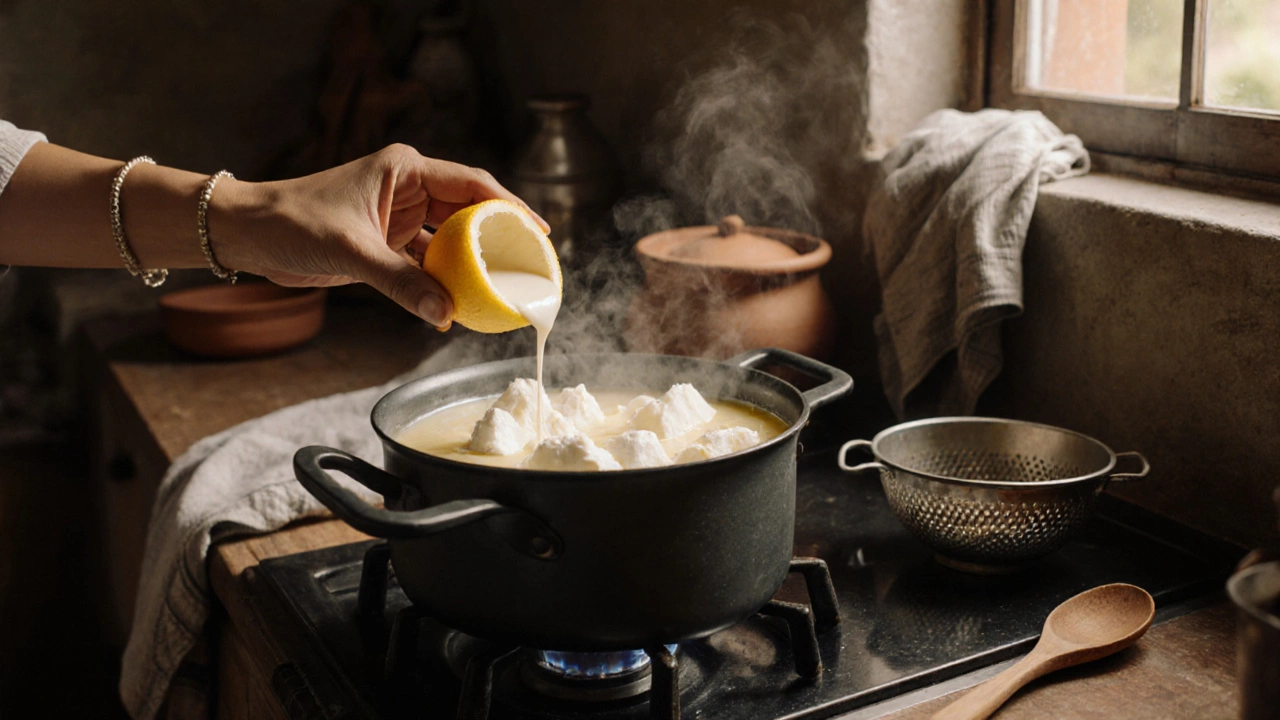
Learn how to make fresh paneer from scratch using just milk and lemon juice. A simple, cost-effective method for perfect homemade Indian cheese every time.
When you make DIY paneer, a fresh, unaged cheese common in Indian cooking that’s made by curdling hot milk with acid. Also known as Indian cottage cheese, it’s the base for dozens of dishes—from palak paneer to paneer tikka—and it’s far easier to make than you think. You don’t need fancy equipment, starter cultures, or aging rooms. Just milk, something acidic like lemon juice or vinegar, and a bit of patience.
The key to great homemade paneer, a soft, crumbly cheese that holds its shape when cooked is controlling the temperature and acid balance. Too cold and the curds won’t form. Too much acid and the cheese turns grainy. Most people use whole milk—2% or skim won’t give you the same yield or texture. You’ll get about 200 grams of paneer from 1 liter of milk, depending on fat content. That’s why milk to paneer ratio, the amount of milk needed to produce a usable block of cheese matters more than you’d guess. If you’re using buffalo milk, you’ll get even more—up to 250 grams per liter. The process is simple: heat the milk to just below boiling, add acid slowly, let it sit, then strain and press.
But here’s what most guides leave out: Indian cheese making, the traditional method used in homes across North India to produce fresh cheese daily isn’t just about chemistry—it’s about timing and touch. You need to drain the curds in a clean cloth, tie it tight, and weigh it down for 30 to 60 minutes. Skip the press and your paneer will be too soft. Over-press and it turns rubbery. That’s why soaking it in warm water before cooking helps—it rehydrates the curds and brings back that melt-in-your-mouth texture. And if you’ve ever made paneer that crumbled in your curry, it’s likely because you used low-fat milk or didn’t press it enough.
There’s a reason restaurants don’t make paneer from scratch every day—it’s labor-intensive. But at home, it’s worth it. You control the freshness, the fat content, and even the salt level. Plus, it costs less than half the price of store-bought. And once you try it, you’ll never go back. The posts below cover everything you need: how much milk to use, how to fix rubbery paneer, what to do if your curds won’t set, and why some recipes call for yogurt instead of lemon juice. You’ll find step-by-step fixes, common mistakes, and real results—not theory. This isn’t just a recipe. It’s a system.
Learn how to make fresh paneer from scratch using just milk and lemon juice. A simple, cost-effective method for perfect homemade Indian cheese every time.