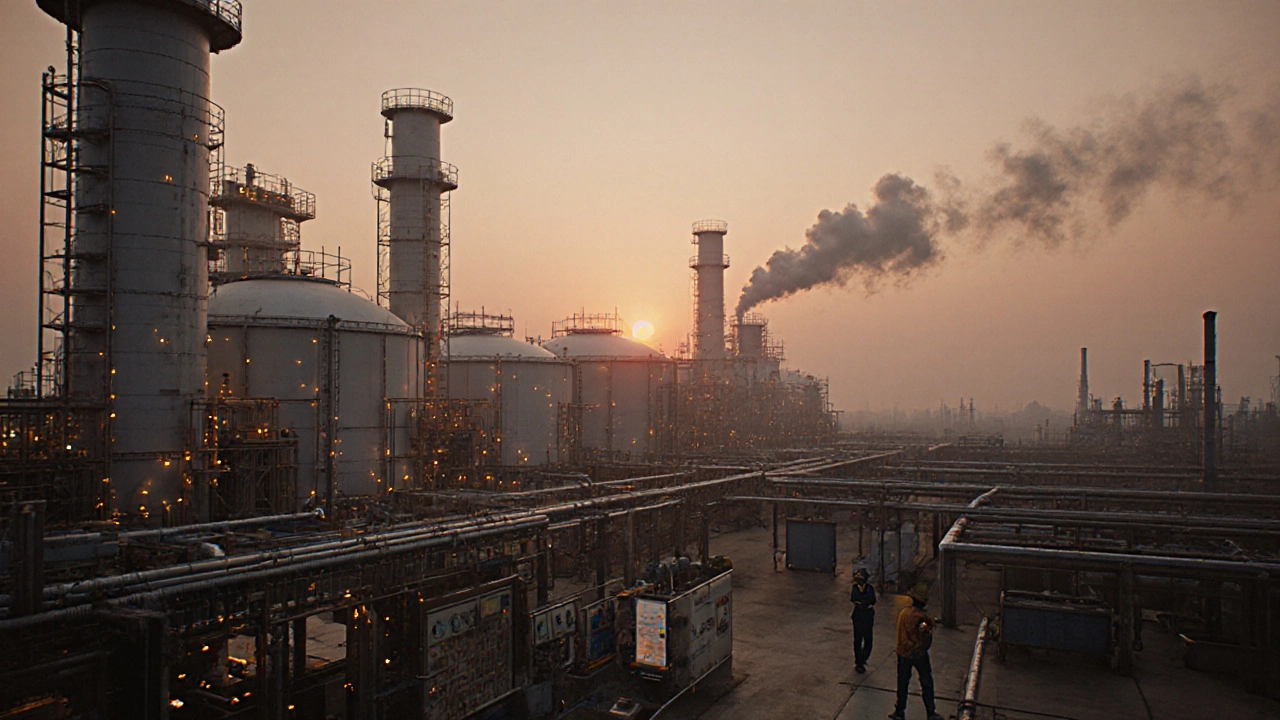
Chlorine in India: What It Does in Food Manufacturing and Why It Matters
When you think about food safety in India, you probably don’t picture chlorine, a chemical used to kill harmful bacteria in water and on surfaces during food production. Also known as sodium hypochlorite, it’s one of the most common disinfectants in Indian food factories, dairies, and processing plants. It’s not glamorous, but without it, things like milk, packaged snacks, and ready-to-eat meals would spoil faster—and worse, make people sick.
Water treatment, the process of cleaning water used in food production is a big part of why chlorine matters. In India, where water quality varies widely, factories use chlorine to make sure the water used to wash vegetables, clean tanks, or even make ice for drinks is free of E. coli, salmonella, and other pathogens. It’s not optional—it’s required under FSSAI guidelines. You won’t taste it, you won’t see it, but it’s working behind the scenes in every plant that follows basic safety rules.
Chlorine also shows up in food processing equipment, the machines and surfaces that handle food from start to finish. Conveyor belts, cutting blades, mixing vats—all get cleaned with chlorine-based solutions after each shift. Some small manufacturers skip this step to save money, but that’s where outbreaks happen. The big players? They test chlorine levels daily. Too little, and germs survive. Too much, and it leaves a bad taste or damages packaging. It’s a tight balance.
And while chlorine isn’t added directly to food like salt or sugar, it’s still part of the final product’s safety story. Think about bottled water, packaged paneer, or even frozen dumplings. The water used to make them, the tanks they sat in, the hands that touched them—all likely passed through a chlorine step. It’s not a secret, but it’s rarely talked about. That’s why so many people assume food safety is about spices or freshness. It’s not. It’s about control. And chlorine is one of the most reliable tools for that control.
India’s food manufacturing sector has grown fast, and with it, the need for consistent, low-cost sanitation. Chlorine fits perfectly: it’s cheap, fast, and effective. Other methods like UV light or ozone exist, but they’re expensive and harder to maintain in smaller plants. So chlorine stays. The real question isn’t whether it’s used—it’s whether it’s used correctly. And that’s what the best manufacturers in India are focused on.
Below, you’ll find real guides on how food is made, cleaned, and kept safe in India—from soaking dal to making paneer, from water quality to equipment standards. These aren’t theoretical articles. They’re from people who work in these plants, kitchens, and labs every day. If you’ve ever wondered how your food stays safe from farm to shelf, this is where the answers begin.