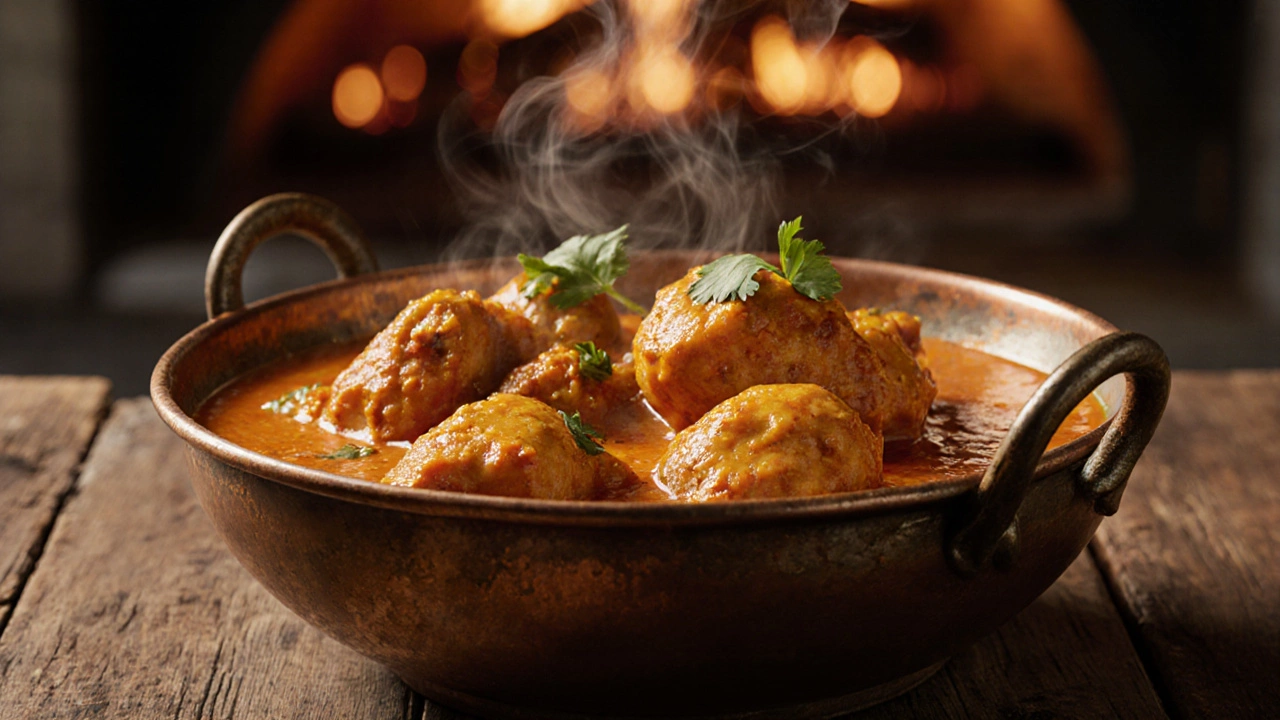
Spiciest Indian Curries: Hotter Than Chicken Tikka
Discover which Indian curries are truly hotter than chicken tikka, learn their heat levels, and get tips to handle the spice safely.
When you bite into a chilli, the burn isn’t random—it’s measured. Chilli heat levels, the intensity of spiciness caused by capsaicin, is scientifically ranked using the Scoville scale. Also known as Scoville Heat Units, this system tells you exactly how much heat a pepper delivers, from gentle sweetness to mouth-numbing fire. In Indian kitchens, this isn’t just theory—it’s daily practice. Every curry, chutney, or pickle depends on knowing which chilli brings the right kind of heat.
Not all chillies are created equal. The Scoville scale, a measurement of capsaicin concentration in peppers ranges from 0 for bell peppers to over 2 million for the hottest ghost peppers. Indian varieties like the Andhra Guntur Sannam or the Naga Jolokia sit near the top, often hitting 50,000 to 1,000,000 Scoville units. Compare that to the mild Kashmiri chilli, which stays under 5,000—perfect for color without overwhelming heat. What matters isn’t just the number, but how the heat builds: some chillies hit fast and fade, others linger like a slow burn. That’s why restaurants in South India use dried red chillies for depth, while North Indian dals rely on milder varieties to let spices shine.
The real secret? It’s not about using the hottest chilli—it’s about matching the heat to the dish. A thick, slow-cooked curry can handle a fiery chilli because the fat and spices balance it. A delicate yogurt-based raita? Too much heat and it’s ruined. That’s why home cooks in Maharashtra, Tamil Nadu, and Punjab each have their own chilli blends. They don’t just pick based on color or price—they test the heat, smell the aroma, and know how it behaves when fried in oil or soaked in water. Even the way you dry or roast a chilli changes its heat profile. A sun-dried red chilli can be twice as hot as a fresh one.
You’ll find this knowledge in every post below. Whether it’s how Indian restaurants make curry thick without cream, why some recipes avoid garlic but rely on chilli for punch, or how to choose the right chilli for dosa batter or paneer tikka—you’ll see how heat levels aren’t just a number. They’re a tool. A flavor architect. A silent ingredient that decides whether a dish sings or screams. There’s no guesswork here. Just real, tested choices made by cooks who know exactly how much fire their food can handle.
Discover which Indian curries are truly hotter than chicken tikka, learn their heat levels, and get tips to handle the spice safely.