Why is tandoori chicken so dry? Fixing the Texture
Tandoori Chicken Juiciness Simulator
Input your current cooking method below to see a predicted juiciness score and receive specific troubleshooting tips based on the science of protein denaturation.
Juiciness Prediction
--%Diagnosis & Fixes:
You bite into a piece of tandoori chicken at your local restaurant, expecting that signature juicy snap and smoky depth. Instead, you get a mouthful of leather. It’s frustrating, especially when you’ve spent hours marinating it. The problem isn’t usually the recipe itself; it’s the physics of how heat interacts with protein and moisture. Most home cooks treat tandoori chicken like a standard oven roast, but traditional Tandoor ovens operate on completely different principles.
The core issue is almost always one of three things: incorrect marinade composition, lack of high-heat searing, or overcooking due to low temperatures. If you want that succulent interior without the rubbery exterior, you need to understand why the classic method works and where yours might be failing. Let’s break down exactly what causes dryness and how to fix it in a standard kitchen.
The Science Behind the Dryness
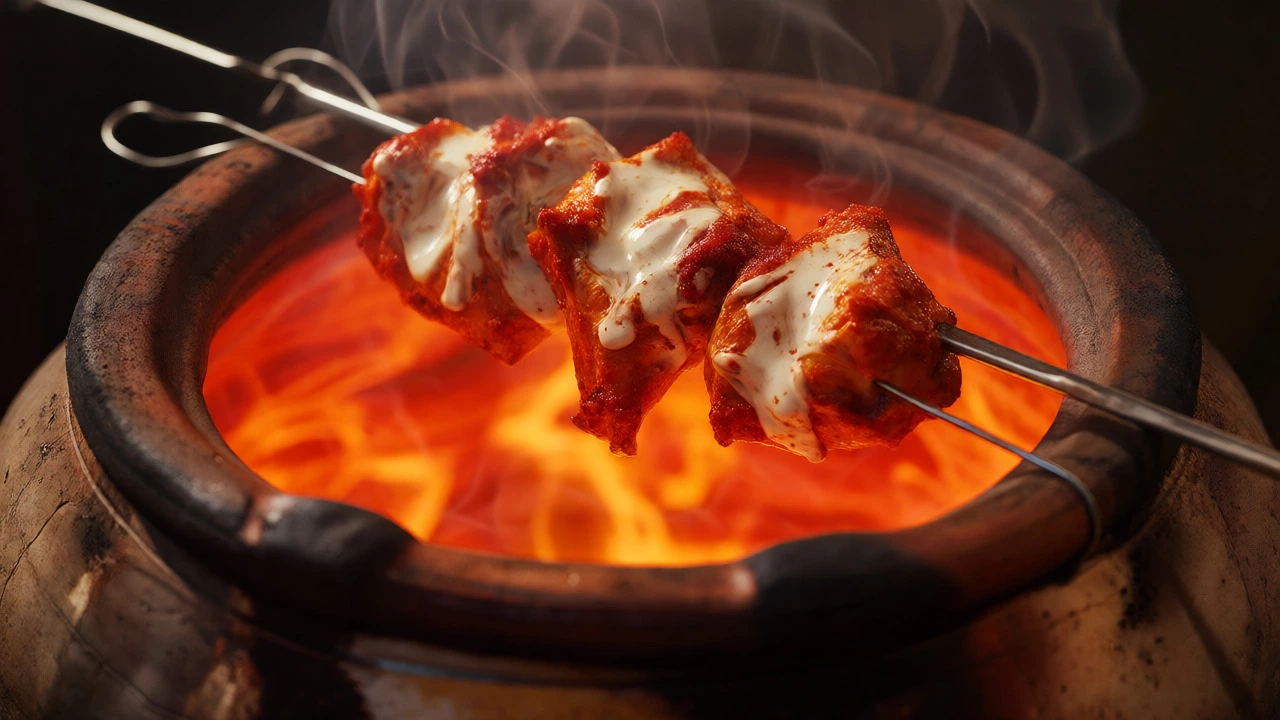
To fix the problem, you have to respect the biology of the bird. Chicken breast contains very little fat compared to thighs or drumsticks. When muscle fibers are exposed to heat above 165°F (74°C), they contract violently, squeezing out water. In a traditional clay Tandoor, temperatures reach 900°F (480°C). This extreme heat creates an immediate crust-a Maillard reaction-that seals the surface before the inside has time to lose all its juice.
Your home oven likely tops out at 500°F (260°C). At this lower temperature, the chicken spends more time in the "danger zone" of drying out before it browns. You’re essentially steaming the chicken slowly rather than flash-searing it. The longer the protein sits in moderate heat, the more moisture evaporates. If your chicken comes out dry, it’s rarely because you didn’t add enough oil; it’s because the heat wasn’t intense enough to lock in the juices quickly.
The Marinade Mistake: Yogurt vs. Oil
Many people think adding oil makes chicken moist. That’s a half-truth. Oil coats the outside, which can actually block moisture from escaping, but it doesn’t hydrate the meat. The real hero in authentic tandoori recipes is Yogurt. Specifically, full-fat Greek yogurt or hung curd.
| Ingredient | Primary Function | Impact on Moisture |
|---|---|---|
| Full-Fat Yogurt | Tenderizes via lactic acid | High - breaks down proteins to retain water |
| Lemon Juice | Adds acidity and flavor | Medium - too much draws out moisture |
| Oil/Ghee | Aids browning and coating | Low - prevents surface drying only |
| Salt | Flavor and brining effect | High - helps cells hold water if timed right |
The lactic acid in yogurt gently denatures the protein structures in the chicken, allowing them to relax and hold onto water better during cooking. If you skip the yogurt or use low-fat versions, you lose this protective tenderizing layer. Furthermore, ensure you remove excess liquid from your yogurt before mixing. If the marinade is watery, it will steam the chicken instead of roasting it, leading to a pale, soggy, then dry result.
Cutting and Prep Techniques
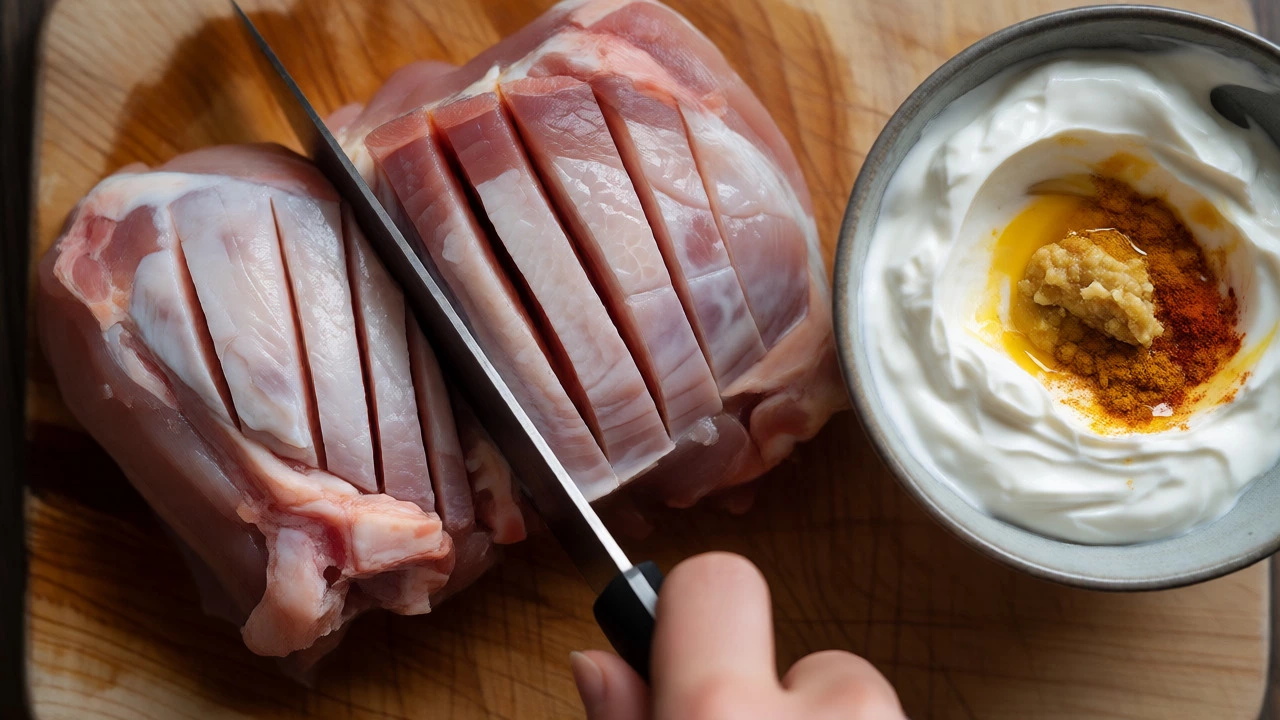
Have you ever noticed that restaurant tandoori chicken looks deeply scored? Those cuts aren’t just for aesthetics. They serve two critical purposes. First, they increase the surface area, allowing the marinade to penetrate deeper into the thickest parts of the meat. Second, and more importantly, they allow heat to reach the center faster.
If you cook a whole breast fillet, the outside dries out long before the center reaches safe internal temperature. By cutting deep slits-almost halfway through-you reduce the distance heat must travel. This means the total cooking time drops significantly. Less time in the oven equals less moisture loss. Always trim excess skin and visible fat if you’re using breasts, as these don’t render well at high heat and can burn before the meat is done.
Mastering the Heat Source
Since most of us don’t have a clay tandoor, we need to hack our home appliances. Here is the hierarchy of effectiveness for achieving juicy results:
- Charcoal Grill: The closest alternative. Direct heat over glowing coals mimics the radiant heat of a tandoor. Cook close to the coals for short bursts.
- Oven Broiler (Grill Setting): Place the rack as close to the heating element as possible. Preheat the broiler on high for 15 minutes before putting the chicken in. You want the element glowing red hot.
- Cast Iron Skillet: Preheat a heavy skillet until it’s smoking. Sear the chicken pieces hard on both sides, then finish in a hot oven. This gives you control over the crust formation.
Avoid baking at 350°F or 400°F for extended periods. This is the primary culprit for dryness in home kitchens. You need aggressive heat. If you use an oven, set it to the highest possible temperature (usually 500°F-550°F) and use the convection fan if available. The moving air helps crisp the exterior while the high temp cooks the interior rapidly.
The Resting Period Is Non-Negotiable
This is the step everyone skips. When chicken finishes cooking, the juices are distributed unevenly throughout the meat, pushed toward the center by the contracting muscles. If you cut into it immediately, those precious fluids spill out onto the plate, leaving the meat dry.
Let the chicken rest for at least 5 to 10 minutes after removing it from the heat. During this time, the muscle fibers relax, and the juices redistribute evenly across the entire piece. Cover it loosely with foil to keep it warm, but don’t seal it tight, or you’ll trap steam and ruin the crispy charred bits you worked so hard to achieve. Patience here saves the texture.
Troubleshooting Common Failures
If you follow the steps above and still end up with dry chicken, check these specific variables:
- Over-marinating with Acid: While yogurt tenderizes, lemon juice and vinegar can turn meat mushy or tough if left for more than 4 hours. Stick to a 2-4 hour window for optimal texture.
- Using Breast Only: Thighs and drumsticks have higher collagen and fat content, making them far more forgiving. If you struggle with dryness, switch to bone-in thighs. They stay juicy even if you accidentally overcook them slightly.
- Crowding the Pan: If pieces touch each other on the tray, they steam instead of roast. Leave space between each piece. Use two trays if necessary. Steam is the enemy of the tandoori texture.
By focusing on high heat, proper marinade chemistry, and adequate resting time, you can replicate that restaurant-quality juiciness in your Birmingham kitchen. It’s not about adding more ingredients; it’s about respecting the thermal dynamics of cooking poultry.
Can I use low-fat yogurt for tandoori chicken?
You can, but it increases the risk of dryness. Full-fat yogurt provides insulation and tenderness that low-fat versions lack. If you must use low-fat, add a tablespoon of cream or oil to compensate for the lost moisture retention properties.
How do I know if my chicken is cooked without cutting it?
Use an instant-read thermometer. Insert it into the thickest part of the meat, avoiding bone. For white meat, aim for 165°F (74°C). For dark meat like thighs, you can go up to 175°F (80°C) for better texture. Cutting it releases the juices you are trying to preserve.
Why is my tandoori chicken burnt on the outside but raw inside?
This happens when the heat is too high for the thickness of the meat, or the pieces are too large. To fix this, score the chicken deeper to help heat penetrate, or start the chicken in a moderately hot oven (400°F) to cook the inside, then blast it under the broiler for the last 2-3 minutes to char the outside.
Does salting the chicken early make it dry?
Not if done correctly. Salt acts as a brine, helping muscle fibers absorb and retain water. However, if you salt it and let it sit for 24+ hours without cooking, it can draw out too much moisture. A 2 to 4-hour marination period is ideal for balancing flavor penetration and moisture retention.
What is the best cut of chicken for beginners?
Bone-in chicken thighs. They are much harder to overcook than breasts because of their higher fat content and connective tissue. Even if you miss the timing slightly, they remain juicy and flavorful, whereas breasts turn dry instantly.