Why Ford Left India: A Deep Dive into the Strategic Exit
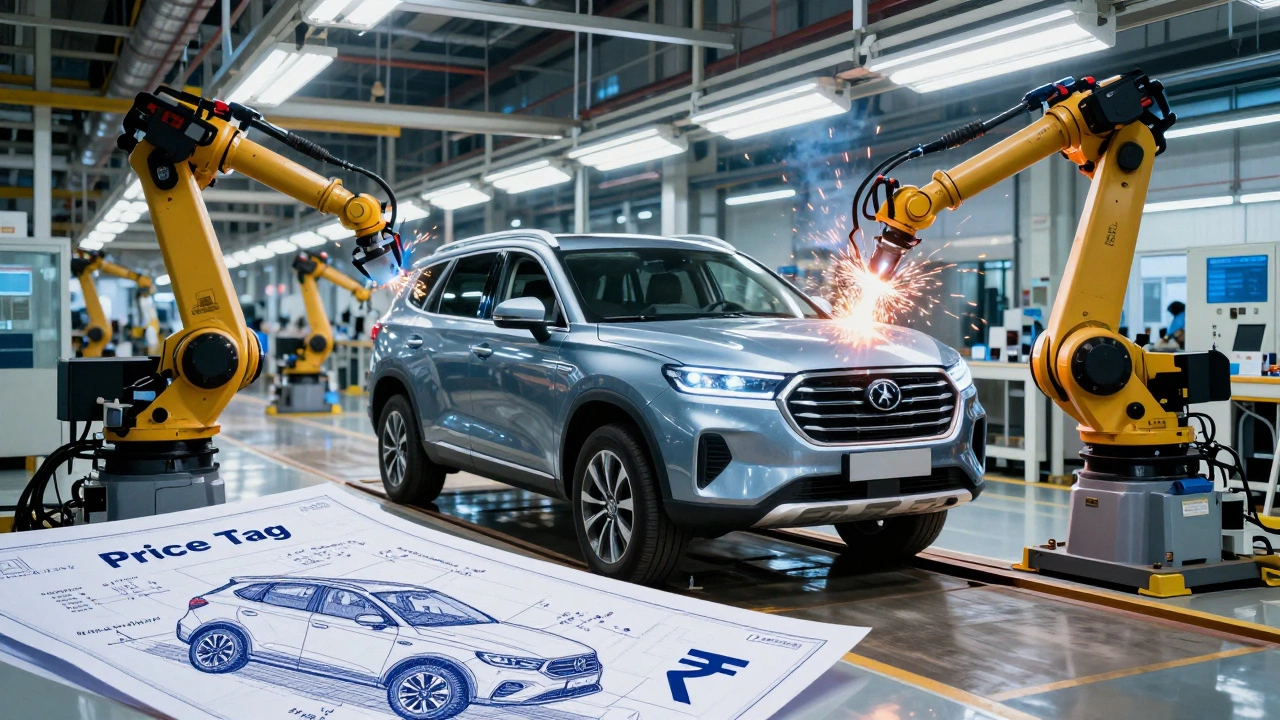
Market Fit & Profitability Simulator
Scenario Inputs
Business Outcome
Adjust the sliders and options to see the impact on profitability.
Key Takeaways: The Ford India Story
- Product Mismatch: Ford focused on global platforms that were too expensive for the average Indian buyer.
- Pricing Wars: They struggled to compete with the aggressive pricing of Maruti Suzuki and Hyundai.
- Investment Fatigue: After investing roughly $2 billion, the returns simply weren't appearing on the balance sheet.
- Shift in Global Strategy: Ford pivoted toward electric vehicles and high-margin trucks globally, making loss-making ventures less tolerable.
To understand the exit, we first need to look at the player. Ford Motor Company is an American multinational automaker founded by Henry Ford in 1903, known for pioneering the assembly line. In India, they operated as a subsidiary, attempting to blend American engineering with local demand. But the automobile manufacturing India sector is a different beast entirely compared to North America or Europe. Here, the "value-for-money" mindset isn't just a preference; it is the law of the land.
The Struggle with Local Product Fit
Ford's biggest hurdle was its insistence on "global cars." They often brought models to India that were designed for the US or Europe, making only minor tweaks for the local market. While these cars, like the Figo or the EcoSport, were praised for their build quality and safety, they were often overpriced. In India, buyers scrutinize every rupee. If a competitor offers a car with more features for 50,000 rupees less, the buyer will choose the competitor every time, even if the build quality is slightly lower.
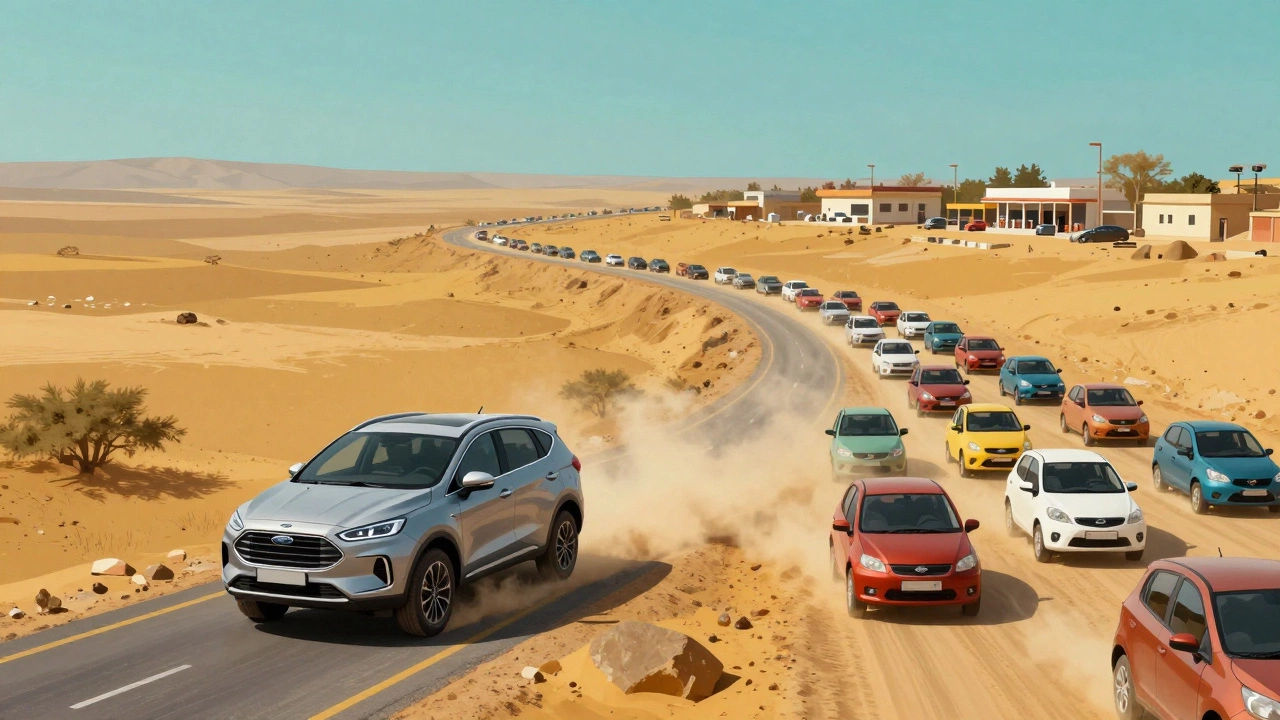
Contrast this with Maruti Suzuki, which is the dominant market leader in India, specializing in small, fuel-efficient, and low-maintenance vehicles. Maruti didn't just sell cars; they built an ecosystem of service centers in every tiny town. Ford tried to play catch-up, but they were always seen as the "premium" or "niche" choice, which limited their volume. In a market of 1.4 billion people, if you can't hit high volume, your factory costs eat your profits alive.
The Brutal Economics of Scale
Manufacturing is all about the numbers. When you build a factory, you have massive fixed costs. To make a profit, you need to roll thousands of units off the line every month. Ford's plants in Chennai and Maharashtra were impressive, but they weren't running at full capacity. When a plant operates at 40% or 60% capacity, the cost per vehicle skyrockets. This created a vicious cycle: to lower costs, they needed to sell more; to sell more, they needed to lower prices; but lowering prices meant they lost money on every car.
| Attribute | Ford's Approach | Maruti/Hyundai Approach |
|---|---|---|
| Product Strategy | Global platforms, modified locally | India-specific, ground-up designs |
| Pricing | Premium/Mid-range | Aggressive, budget-focused |
| Service Reach | Urban-centric | Deep rural penetration |
| Key Value Prop | Driving dynamics and safety | Fuel efficiency and resale value |
The Pivot to Electric and the Global Reset
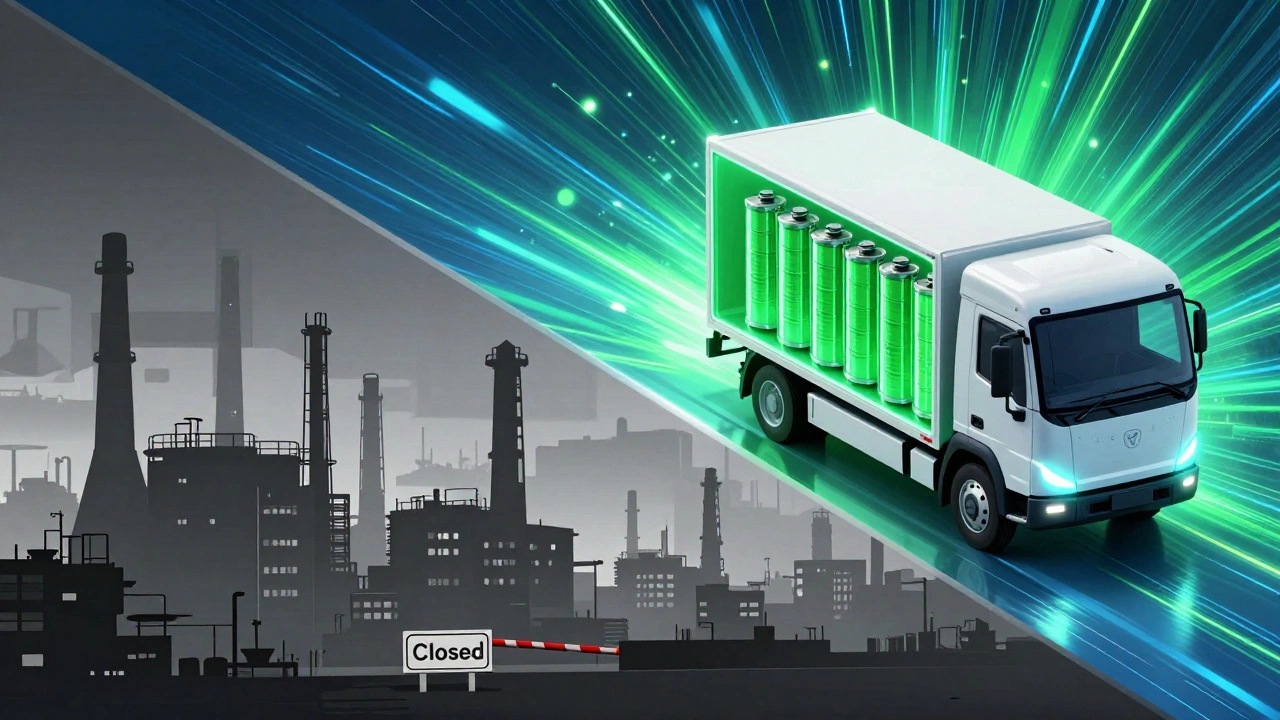
While the local struggle was real, the decision to leave was also driven by what was happening in Dearborn, Michigan. Around 2021, Ford announced a massive global shift toward Electric Vehicles (EVs), which are cars powered by electric motors and batteries instead of internal combustion engines. This pivot required billions in R&D. Why pour more money into a struggling combustion-engine plant in India when that capital could be used to build the next F-150 Lightning?
They also shifted toward a "Ford+" plan, which emphasized high-margin vehicles and software services. The Indian market, at the time, was still heavily skewed toward small, low-margin hatchbacks and compact SUVs. For a company trying to clean up its global balance sheet, a venture that has lost money for years is the first thing to go. It was a cold, calculated business decision: stop the bleeding in India to fund the future of EVs in the US and China.
Missed Opportunities in the Compact SUV Boom
Ironically, Ford actually helped start the compact SUV trend in India with the EcoSport. It was a hit. But they failed to capitalize on it. While the EcoSport was successful, Ford didn't have a pipeline of similar "right-sized" vehicles to follow it. When the market shifted toward the "sub-4 meter" segment-a specific Indian tax bracket where cars under 4 meters in length get lower taxes-Ford's global designs often put them just over that limit or made them too expensive to produce within that constraint.
Meanwhile, Hyundai, a South Korean automotive giant and one of the world's largest car manufacturers, mastered the art of the "India-specific" model. They launched cars like the Creta that felt premium but were priced perfectly for the emerging middle class. Ford's inability to iterate quickly on local feedback meant they were always one step behind the trend.
The Aftermath: What Happens Now?
Leaving the manufacturing side doesn't mean Ford vanished completely. They moved to a "business-as-usual" model for existing customers, focusing on spare parts and service. This is a crucial move to avoid a total PR disaster. If a company leaves a country and stops supporting the cars already on the road, it destroys the brand's reputation globally. By maintaining service networks, they keep the door ajar, even if they aren't building cars locally.
Their exit serves as a case study for other foreign firms. It proves that simply having a great product and a big brand isn't enough. You need a localized supply chain, a pricing strategy that respects the local economy, and the agility to change your product line in months, not years. The Indian consumer is incredibly savvy; they want the world's best technology, but they want it at a price that makes sense for their wallet.
Did Ford completely stop selling cars in India?
Yes, they stopped manufacturing and selling new cars in India. However, they continue to provide after-sales service and spare parts for the vehicles already sold to ensure customers aren't left stranded.
Was it just because of the COVID-19 pandemic?
The pandemic accelerated the process by disrupting supply chains and hitting sales, but the problems were structural. Ford had been struggling with profitability and low market share in India long before 2020.
Will Ford ever return to India?
While they haven't ruled it out, a return would likely look very different. They would probably focus on importing high-end electric vehicles for the luxury segment rather than trying to build mass-market budget cars again.
Which cars were most successful for Ford in India?
The Ford EcoSport and the Ford Figo were their most successful models, both praised for their handling and build quality, though they eventually struggled against cheaper rivals.
How does this affect the Indian auto industry?
It left a gap in the "driver-focused" enthusiast segment, but it also signaled to other global players that success in India requires a deeply localized strategy rather than a global-first approach.
Next Steps for Industry Observers
If you are tracking the automotive sector, keep an eye on how other American or European brands are adapting. Are they building local plants or shifting to a "CBU" (Completely Built-Up) import model for luxury EVs? That will tell you if Ford's experience has changed the playbook for the rest of the world.
For those interested in manufacturing, look into the "Production Linked Incentive" (PLI) schemes the Indian government is offering. These incentives are designed to prevent exactly what happened to Ford by making local production more financially viable through subsidies and tax breaks.