Why Ford and GM Failed in India: A Business Autopsy
Market Entry Strategy Simulator
Choose a strategic approach for entering the Indian car market. Will you succeed or fail like the American giants?
Option A: Global Standardization
"Import proven global platforms. Keep decision-making at HQ. Focus on premium brand image in metros."
- High initial build quality
- Slow response to local needs
- High maintenance costs
Option B: Deep Localization
"Empower local teams. Build India-specific platforms. Prioritize resale value and service reach."
- Fast product updates
- Low total cost of ownership
- Widespread service network
Simulation Complete
Key Lesson:
Performance Metrics
Imagine spending over a decade trying to convince a nation to buy your product, only to walk away with nothing but losses. That is exactly what happened to Ford and General Motors (GM). They didn't just lose money; they lost their entire presence in one of the world's fastest-growing automotive markets. It wasn't bad luck. It was a fundamental misunderstanding of who the Indian customer actually is.
You might think it’s strange. After all, these are American giants. They dominate roads in Detroit, New York, and London. So why did they crash and burn in Mumbai and Delhi? The answer lies in a mix of cultural blindness, rigid corporate structures, and a refusal to adapt to local realities. If you're looking at entering emerging markets or just curious about business strategy gone wrong, this story is a masterclass in what not to do.
The Misunderstanding of Value
Let’s get straight to the core issue: price sensitivity. In the US, a car is often seen as a status symbol or a lifestyle choice. People lease them, upgrade them every three years, and care less about the long-term maintenance cost if the brand looks good. In India, a car is an investment. It’s something families save for over five to ten years. When a middle-class family buys a Maruti Suzuki, they aren't just buying transport; they are buying peace of mind regarding resale value and low running costs.
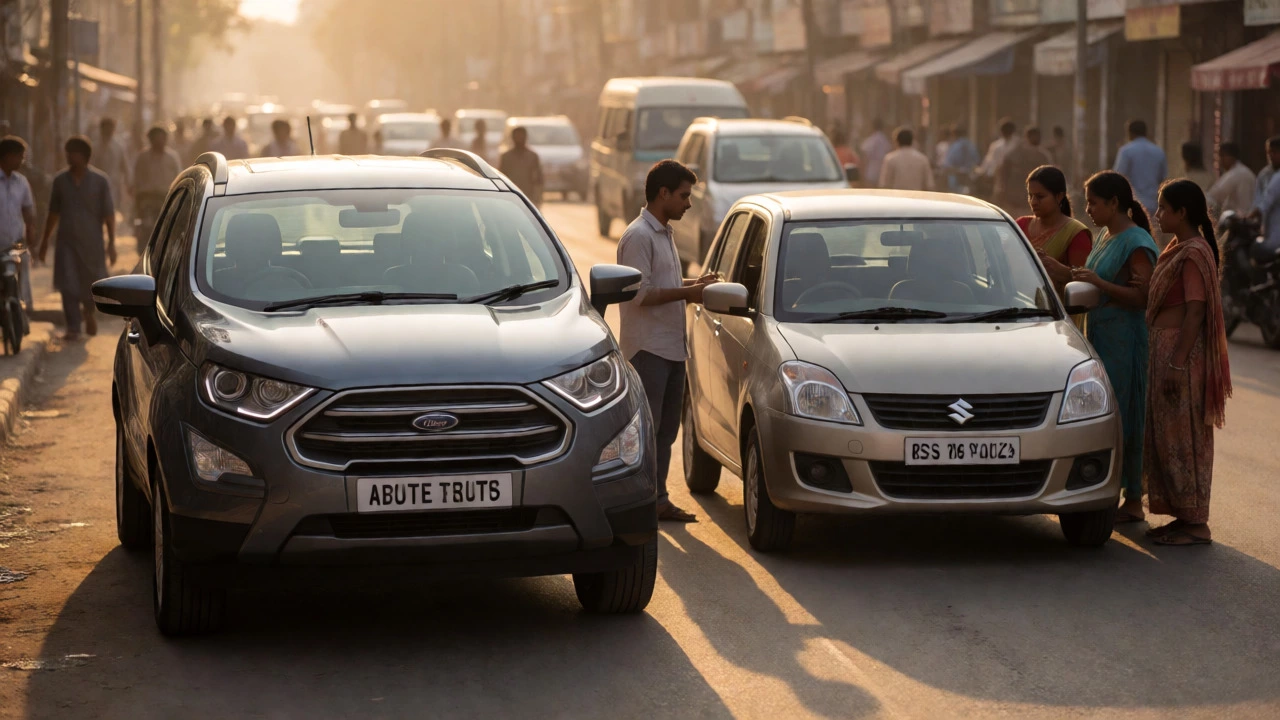
Ford and GM tried to sell cars that were technically superior but economically illogical for the average buyer. Take the Ford EcoSport. It was a great small SUV. But when compared to the Hyundai Creta or even higher-end Maruti models, the service costs and spare part availability were hurdles. Indians want cars that hold their value. If a Ford depreciates faster than a Hyundai after two years, the buyer loses thousands of dollars. Both companies failed to build the trust needed to promise strong resale values.
Rigid Corporate Culture vs. Local Agility
Here is where the internal machinery broke down. Maruti Suzuki, backed by the Japanese giant Suzuki, operates with a level of agility that Western corporations struggle to match. Decisions in India happen fast because local teams have power. At Ford and GM, decisions had to go up the chain to Dearborn or Detroit.
Think about it like this: An engineer in Chennai notices that customers hate a specific feature in the dashboard design. He sends a report. It goes to regional management, then global product planning, then back down. By the time a change is approved, six months have passed. Meanwhile, Hyundai has already launched a facelift addressing that exact complaint. This bureaucratic lag killed their competitiveness. You cannot win a speed race if you are waiting for permission from another continent.
| Feature | Ford/GM Strategy | Local Competitors (Maruti/Hyundai) |
|---|---|---|
| Decision Making | Centralized (Global HQ) | Decentralized (Local Entity) |
| Product Focus | Global Platforms adapted slightly | India-specific platforms |
| Service Network | Premium pricing, limited reach | Affordable, widespread coverage |
| Resale Value | Low consumer confidence | High consumer confidence |
The Service Network Nightmare
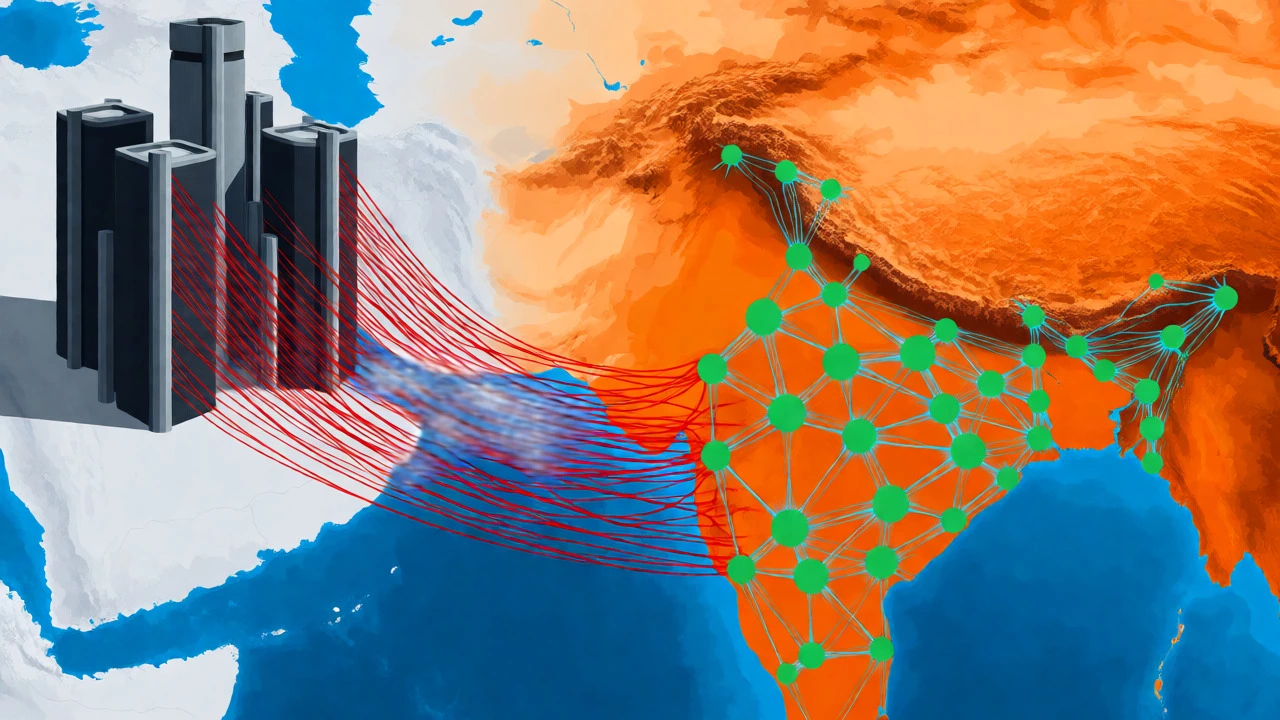
Owning a car in India means dealing with mechanics. Lots of them. And they need to be accessible. Maruti has service centers in almost every town, big or small. If you break down on a highway in Rajasthan, help is nearby. Try breaking down in a rural area with a GM vehicle from a few years ago. Good luck finding a mechanic who knows how to fix it without charging you double for parts imported specifically for that model.
Ford and GM built premium experience centers in metros, which looked fancy. But they neglected the tier-2 and tier-3 cities where the next wave of growth was happening. They assumed that if the car was good, people would travel to find service. That assumption was wrong. Convenience is king in emerging markets. If your brand isn't visible and reachable in the places where new buyers live, you don't exist to them.
Ignoring the "Value-for-Money" Equation
There is a concept in India called "paisa vasool," which roughly translates to getting your money's worth. It’s not just about being cheap; it’s about maximizing features per rupee spent. Tata Motors and Mahindra mastered this. They pack safety ratings, infotainment systems, and space into vehicles that undercut global brands on price.
Ford’s Aspire sedan, for example, offered excellent driving dynamics. But it lacked the perceived spaciousness and feature list of competitors at the same price point. GM’s Chevrolet Beat and Spark were decent city cars, but they felt dated quickly. While competitors updated interiors and tech annually, Ford and GM stuck to longer product cycles typical of developed markets. In India, a car feels old after two years if it doesn't have the latest touchscreen or connectivity features.

The Exit Was Inevitable
By 2021, the writing was on the wall. Ford announced it would stop selling passenger vehicles in India. GM followed suit earlier, exiting in 2017. These weren't sudden shocks; they were the result of years of bleeding cash. Ford reportedly lost billions of dollars during its tenure. GM sold its plant in Talegaon to MG Motor, a Chinese-backed company that understood the game better by partnering with SAIC and using local insights immediately.
The irony? Both companies left behind loyal fans who loved the driving feel of their cars. But loyalty doesn't pay the bills when the total cost of ownership is too high. They failed because they tried to sell American/European logic to an Asian market without respecting the local rules of the game.
Lessons for Future Entrants
If you are watching other global brands eyeing India, take note. Success here requires humility. You must localize not just the product, but the entire ecosystem-financing, insurance, service, and spare parts. You need leaders who live there and decide there. And you must respect the price-conscious nature of the buyer without compromising on quality perception.
China-based manufacturers like MG and Great Wall entered with aggressive pricing and digital-first marketing. They learned from Ford and GM’s mistakes. They didn't try to be "premium foreign." They tried to be "smart value." That distinction matters.
Did Ford and GM leave India completely?
No, they stopped selling new passenger cars but retained some commercial vehicle operations and export bases. Ford continues to manufacture engines and transmissions in India for global use, and GM retains a technical center in Bangalore. However, their retail sales presence for consumers ended.
Which brand benefited most from their exit?
Hyundai and Kia captured much of the mid-range segment share previously targeted by Ford and GM. Additionally, Tata Motors and Mahindra gained ground in the affordable SUV and sedan segments due to improved quality perceptions and aggressive pricing.
Was poor quality the main reason for failure?
Not necessarily. Many Ford and GM cars were praised for build quality and safety. The primary reasons for failure were high maintenance costs, low resale value, lack of local decision-making speed, and inadequate service networks in smaller towns.
Can Ford return to the Indian passenger car market?
It is difficult. Re-entering requires massive capital to rebuild dealer and service networks. Given the current dominance of Maruti, Hyundai, and Tata, plus the rise of electric vehicles from new players, a return would require a highly specialized niche strategy rather than mass-market volume play.
How did government policies affect their failure?
While policies like localization norms affected everyone, Ford and GM struggled more because their global supply chains were not optimized for Indian sourcing requirements initially. Competitors like Hyundai had established local vendor ecosystems decades prior, giving them a cost advantage.