Why Add Curd to Dosa Batter? Science & Benefits
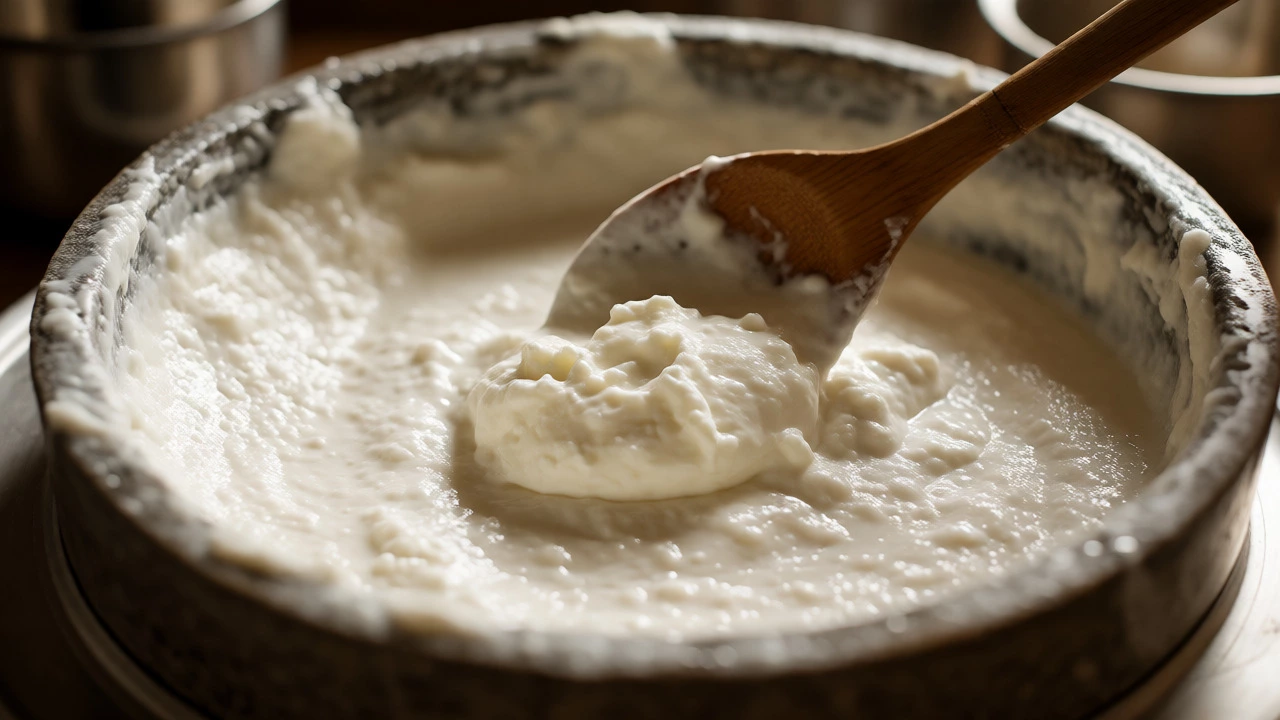
Dosa Batter Fermentation Optimizer
Calculate the ideal curd amount and estimated fermentation time based on your environment and ingredients.
Recommended Curd Amount
Tablespoons of thick curd
Adjust based on desired tanginess.
Estimated Fermentation Time
Hours until batter is ready
Calculating...
Professional Tips for This Batch:
You’ve probably seen your grandmother or a local restaurant chef toss a spoonful of curd into their dosa batter and wondered: is this just tradition, or does it actually change the food? It’s not magic. It’s chemistry. Adding curd isn’t just about flavor; it’s a functional ingredient that alters how your batter behaves, ferments, and cooks. If you’re struggling with flat, rubbery dosas or inconsistent results, understanding why curd goes in might be the fix you need.
The Microbial Engine: How Curd Boosts Fermentation
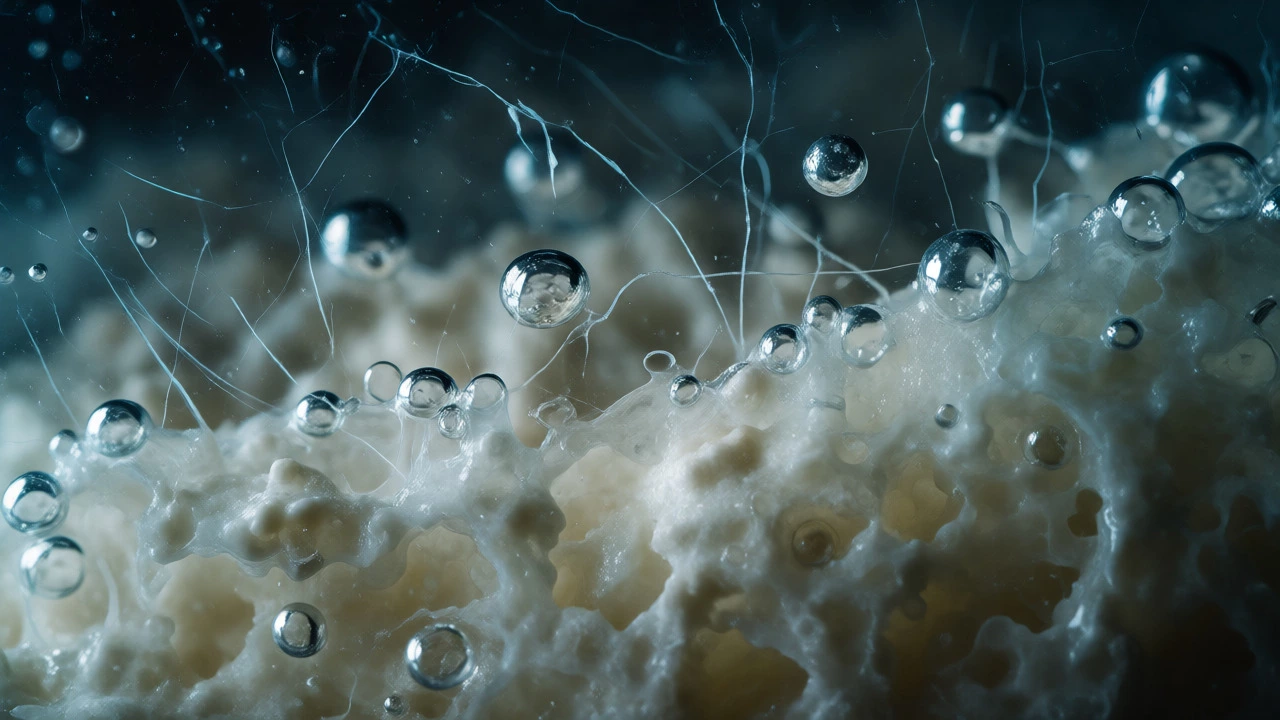
Dosa batter relies on wild yeast and bacteria from the environment to ferment. This process produces carbon dioxide (which makes the batter rise) and lactic acid (which gives it tang). But wild fermentation is unpredictable. Temperature changes, humidity, and the quality of your rice and urad dal can throw everything off. This is where Lactobacillus, the primary bacterium found in curd, comes in handy. By adding curd, you are essentially inoculating your batter with a massive population of active, hungry bacteria.
Think of it like starting a fire with kindling versus trying to light damp wood with a single match. The curd provides the "kindling." These bacteria consume the sugars released by the enzymatic breakdown of starches in the rice and proteins in the lentils. Because they are already active, they kickstart fermentation much faster than waiting for wild microbes to wake up. In cooler climates-like here in Birmingham, UK-this speed boost is crucial. Without curd, a batter might take 18-24 hours to ferment properly in winter. With it, you often get a well-fermented batter in 8-10 hours.
Texture Transformation: Why Your Dosas Get Softer
If you have ever made dosa without curd, you might notice the texture is crisp but brittle, or sometimes dense and heavy. Curd changes the protein structure of the batter. Urad dal contains high amounts of protein. During fermentation, acids produced by bacteria weaken these protein bonds slightly. This weakening allows the batter to stretch more easily when spread on the hot tawa (griddle).
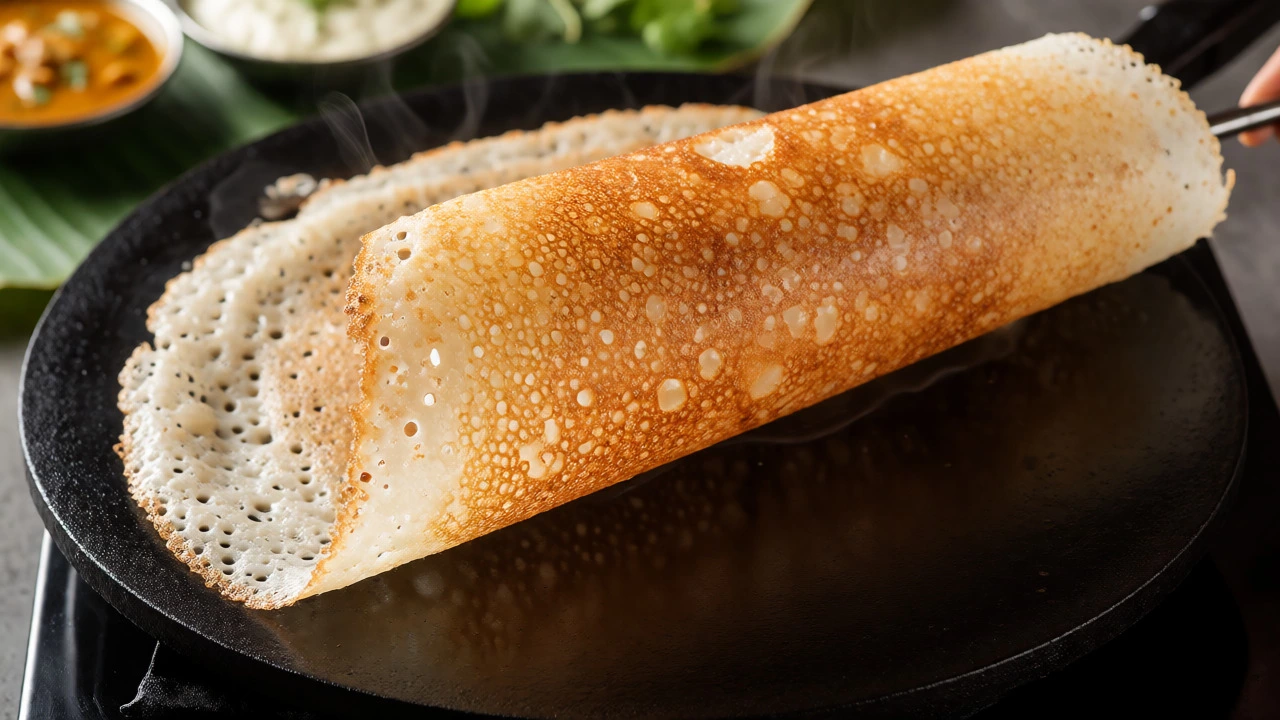
Furthermore, the fat content in full-fat curd coats the starch granules. This coating prevents the starch from retrograding too quickly after cooking. Retrogradation is what makes bread go stale; it happens in dosas too. The fat keeps the interior moist and tender while the exterior crisps up. You get that desirable contrast: a shatteringly crisp outside and a pillowy, soft inside. Low-fat curd doesn’t provide this same mouthfeel because it lacks the necessary lipid content to coat the starch effectively.
Flavor Profile: Balancing Bitterness and Acidity
Rice and urad dal, on their own, taste somewhat bland and occasionally bitter if the lentils aren’t soaked long enough. Curd introduces lactic acid, which brightens the flavor profile. This acidity cuts through the earthiness of the lentils and complements the subtle sweetness of the rice. It creates the signature tang that defines a good South Indian dosa.
But it’s a balancing act. Too little curd, and the dosa tastes flat. Too much, and it becomes sour before you even add sambar or chutney. The goal is a mild, pleasant tang that enhances the savory notes rather than dominating them. Professional chefs often adjust the amount of curd based on the ambient temperature. Warmer weather accelerates bacterial activity, producing more acid naturally. In those cases, you might reduce the curd quantity to prevent over-souring.
Curd vs. Yeast: Which Fermentation Agent Wins?
Some home cooks use commercial yeast instead of curd. Both work, but they produce different results. Here is a breakdown of how they compare:
| Feature | Curd (Yogurt) | Commercial Yeast | Wild Fermentation |
|---|---|---|---|
| Fermentation Speed | Fast (6-10 hours) | Very Fast (4-6 hours) | Slow (12-24+ hours) |
| Flavor Profile | Tangy, complex, traditional | Mild, yeasty, less acidic | Highly variable, often very sour |
| Texture Result | Soft interior, crisp exterior | Uniformly airy, potentially cake-like | Variable, depends on temp/humidity |
| Consistency | High | High | Low |
| Shelf Life of Batter | Longer (acid preserves it) | Shorter (yeast dies off quickly) | Unpredictable |
Notice that yeast gives you height and airiness, but it lacks the depth of flavor that curd provides. Wild fermentation is romantic but risky. For most people wanting reliable, tasty dosas at home, curd is the sweet spot between control and authenticity.
Practical Tips for Using Curd in Your Batter
Not all curd is created equal. To get the best results, follow these guidelines:
- Use Fresh, Active Curd: Old, watery curd has fewer live cultures. Check the date and smell it. It should smell clean and tangy, not rotten. If your curd separates heavily, stir it back together before using.
- Temperature Matters: If you are making batter in winter, bring the curd to room temperature before mixing. Cold curd slows down the initial activation of the bacteria.
- Quantity Guide: A general rule of thumb is 1 tablespoon of thick curd per cup of dry ingredients (rice + dal). Adjust based on desired tanginess. Start small; you can always add more next time.
- Salt Timing: Add salt only after fermentation is complete. Salt inhibits yeast and bacterial growth. If you add it at the beginning, you’ll slow down the process significantly.
One common mistake is using flavored or sweetened yogurt. Stick to plain, unsweetened, full-fat yogurt. Sugar in the yogurt feeds the bacteria differently and can lead to an alcoholic or overly sweet note that clashes with savory accompaniments.
Alternatives When You Don’t Have Curd
What if you run out of curd? Or maybe you are vegan and want to avoid dairy entirely? There are substitutes, though they behave slightly differently.
Kanji (fermented carrot water) is a traditional substitute used in some parts of India. It provides similar acidity and microbial load. Another option is a small amount of vinegar combined with a pinch of sugar. This mimics the acidity but lacks the probiotic punch. However, the texture won’t be quite as soft because you miss the fat content of the dairy.
For vegans, coconut milk yogurt works surprisingly well. It adds the necessary fats and acidity. Just ensure it’s unsweetened. Almond milk yogurt tends to be too thin and may not provide enough body for the batter.
Troubleshooting Common Dosa Issues
If your dosas still aren’t turning out right, look at these factors beyond just the curd:
- Batter Too Thick: If the batter doesn’t flow off the spoon easily, it won’t spread thinly. Add water gradually during grinding or after fermentation.
- Over-Fermentation: If the batter smells strongly of alcohol or acetone, it’s over-fermented. Use it immediately for idli (steamed cakes), which tolerate strong flavors better, or mix in fresh unfermented batter to dilute the sourness.
- Under-Fermentation: If the batter is flat and hard, it didn’t ferment enough. Move it to a warmer spot (like near an oven light) for another few hours. Do not add more curd now; let the existing culture finish its job.
Remember, dosa making is a skill that improves with observation. Watch how the bubbles form. Smell the aroma. Taste a tiny bit of raw batter (if safe) to check acidity. Your senses are better tools than any recipe card.
Can I skip curd entirely?
Yes, you can skip curd, but you must rely on longer fermentation times or add commercial yeast. Without curd, expect a milder flavor and potentially less consistent texture, especially in cooler environments.
Does curd make dosa sour?
Curd contributes to the sourness, but so does natural fermentation. If your dosas are too sour, reduce the amount of curd used or shorten the fermentation time. The type of curd also matters; older curd is more acidic than fresh curd.
How much curd should I add to dosa batter?
A standard ratio is approximately 1 tablespoon of thick curd per 1 cup of dry rice and lentil mixture. Adjust this based on your preference for tanginess and the ambient temperature. In hotter weather, use less curd.
Is Greek yogurt suitable for dosa batter?
Greek yogurt is thicker and higher in protein than regular curd. You can use it, but you may need to add a little extra water to achieve the right batter consistency. Its tanginess is often sharper, so start with a smaller amount.
Why do my dosas stick to the pan despite using curd?
Sticking is usually due to insufficient oil/ghee on the pan or the pan not being hot enough. Curd helps with release indirectly by improving batter structure, but it doesn’t replace the need for proper greasing and heating techniques.