Who Still Dumps Garbage in the Ocean? The Role of Plastic Manufacturers
Marine Debris Source Analyzer
Calculate Waste Impact
Estimate the breakdown of garbage entering a specific body of water or region based on total volume.
Results Breakdown
- Land-Based Runoff: 0 tons
- Commercial Fishing: 0 tons
- Shipping & Maritime: 0 tons
- Industrial Discharge: 0 tons
Source Contribution Distribution
Hover over the bars below to see details about each source category.
Primary Drivers by Category
Land
Inadequate waste infrastructure & excessive single-use production.
Fishing
Lost gear (ghost nets) & poor operational practices.
Shipping
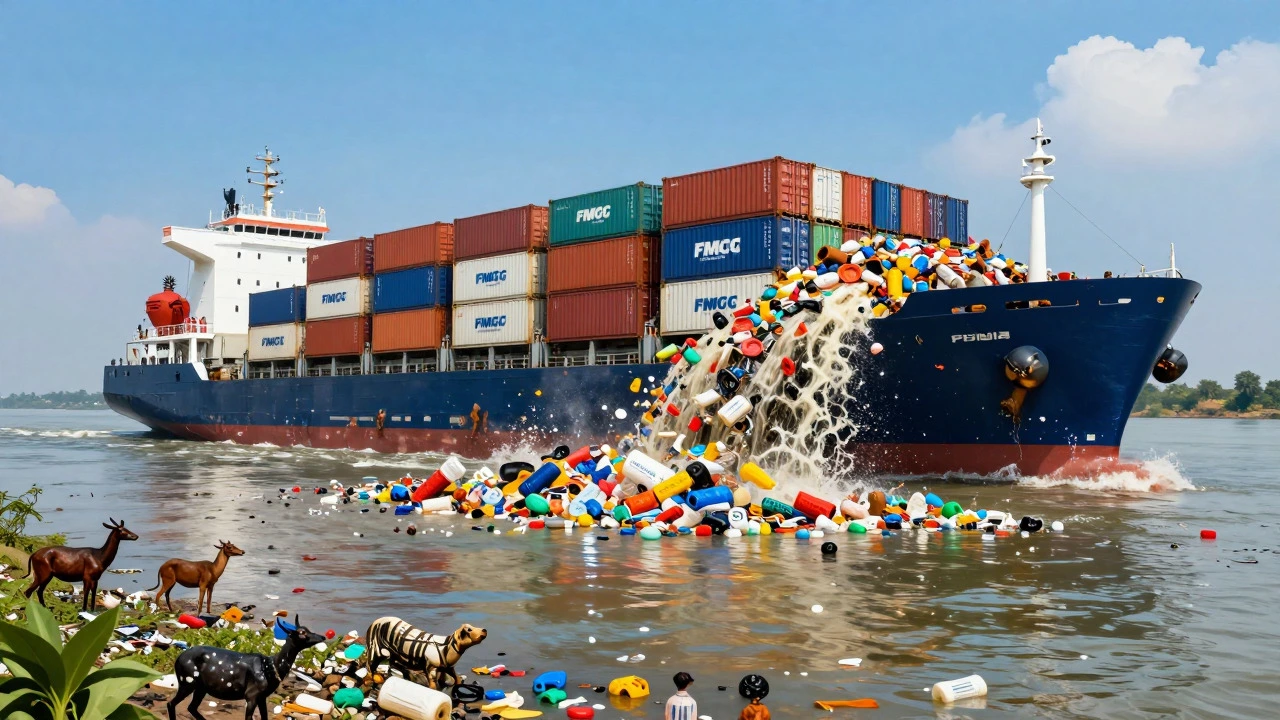
Cargo loss at sea & improper vessel waste disposal.
Industrial
Nurdle spills & factory effluent discharge.
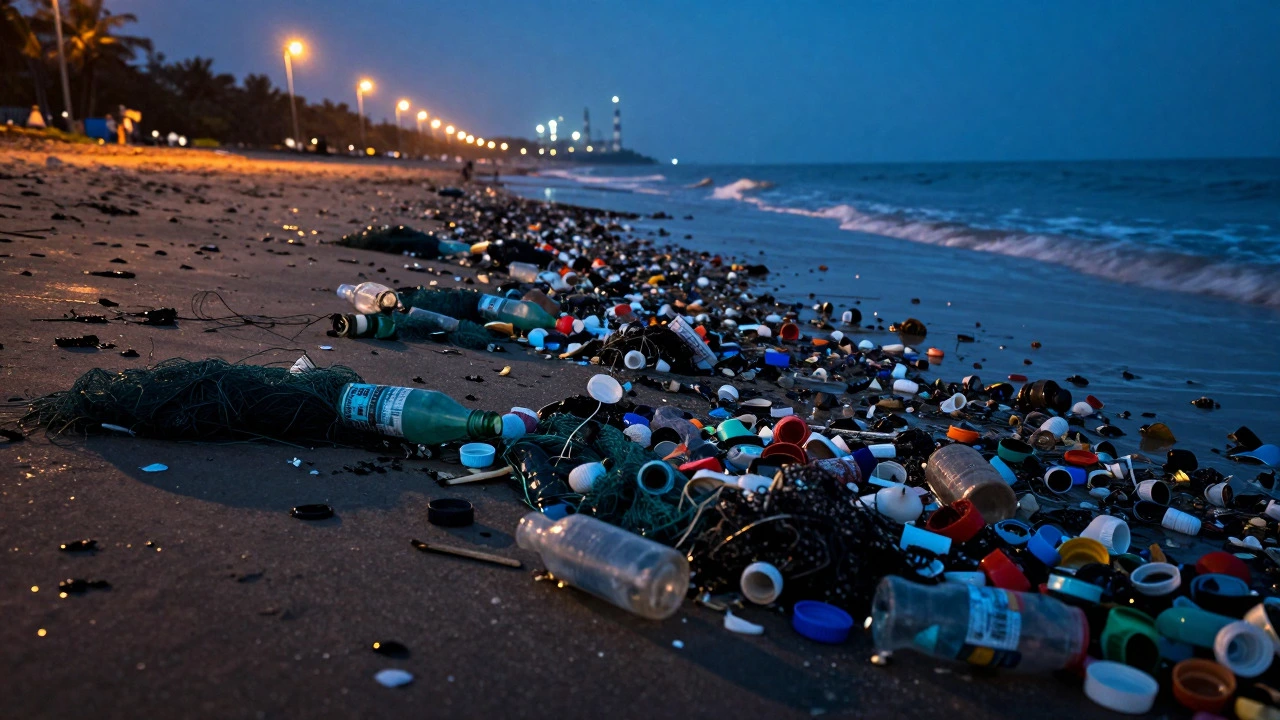
It is easy to blame the person tossing a wrapper out of a car window. It feels personal. It feels like a moral failing of individuals who just don't care. But if you stand on the shore and look at the tide pulling back, revealing a carpet of microplastics, bottle caps, and tangled fishing nets, individual negligence only explains a fraction of the mess. The real story isn't about lazy beachgoers. It is about industrial systems that were designed without an exit strategy.
The question "Who still dumps garbage in the ocean?" often gets a vague answer like "everyone." But when we trace the lifecycle of the waste washing up on our coasts, the finger points squarely at plastic manufacturing companies are industrial entities responsible for producing polymer-based materials that frequently end up as marine debris due to inadequate design for recyclability and lack of extended producer responsibility. These corporations produce millions of tons of single-use plastics annually, much of which is destined for landfills or leakage into waterways from the very start.
The Myth of Consumer Responsibility
We have spent decades telling consumers they hold the key to saving the oceans. Buy glass instead of plastic. Carry a reusable bag. Sort your recycling perfectly. While these actions help, they place the burden of a systemic failure on the shoulders of the end-user. Consider this: even if every person on Earth became a perfect recycler tomorrow, would the ocean be clean? Probably not.
The infrastructure to handle the sheer volume of plastic produced simply does not exist. According to data from the Ellen MacArthur Foundation, less than 10% of all plastic ever made has been recycled. The rest is either incinerated, buried in landfills, or lost to the environment. This gap between production and recovery is not an accident; it is a feature of how plastic packaging is designed for convenience and low cost rather than circularity or durability. When manufacturers create complex multi-layered films that cannot be separated by standard recycling machinery, they are effectively guaranteeing that their product will become waste.
Where Does the Waste Actually Come From?
To understand who is dumping garbage, we need to look at the sources. Marine litter comes from two main directions: land-based and sea-based activities. Land-based sources account for approximately 80% of marine debris. This includes runoff from streets, improper waste management in cities, and industrial discharge. Sea-based sources include commercial fishing gear, shipping losses, and offshore oil platforms.
However, the root cause of land-based pollution lies in the supply chain. In many developing nations, where waste management infrastructure is underfunded, plastic bags and bottles blow out of open dumpsters and rivers carry them straight to the sea. But why is there so much plastic flowing through these systems? Because global polymer producers are large chemical corporations that manufacture raw plastic resins, driving down costs for single-use items while externalizing the environmental cleanup costs. They flood markets with cheap, durable material that persists for centuries.
| Source Category | Estimated Contribution | Primary Driver |
|---|---|---|
| Land-based Runoff | ~80% | Inadequate waste infrastructure & excessive production |
| Commercial Fishing | ~10% | Lost gear (ghost nets) & poor practices |
| Shipping & Maritime | ~5% | Cargo loss & vessel waste disposal |
| Industrial Discharge | ~5% | Nurdle spills & factory effluent |
The Design Flaw: Planned Obsolescence of Packaging
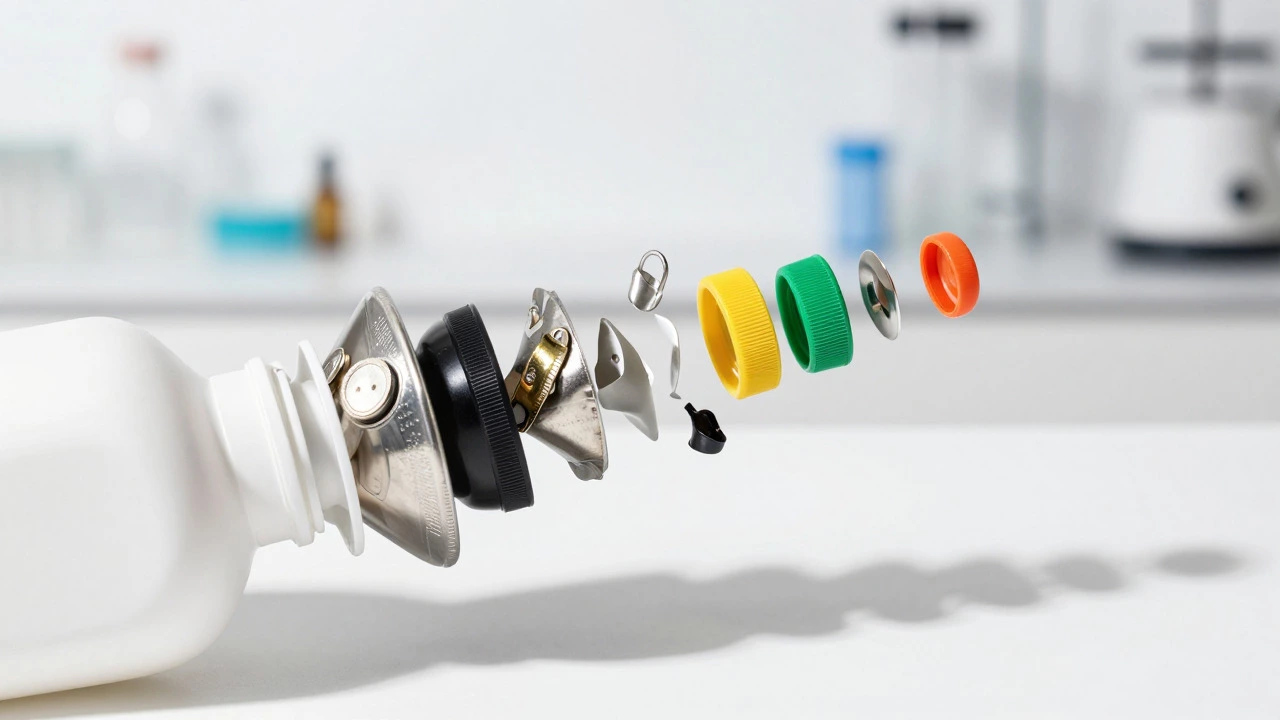
Let's talk about design. Most plastic packaging is engineered to be used once and discarded. Think about a shampoo bottle. It is made from polyethylene terephthalate (PET), which is theoretically recyclable. But add a pump mechanism made of mixed metals and different plastics, and suddenly it becomes a nightmare for sorting facilities. The cap, the tube, the bottle-they rarely come apart easily.
This is known as "design for disposability." Extended Producer Responsibility (EPR) is a policy approach where producers take financial and physical responsibility for the entire lifecycle of their products, including post-consumer disposal. In regions with strong EPR laws, like parts of Europe, manufacturers are forced to pay for the collection and recycling of their packaging. This incentivizes them to design easier-to-recycle products. In places without these laws, companies have no financial incentive to change. They keep producing complex, hard-to-recycle materials because it keeps their initial production costs low.
When a company sells a billion units of single-use cutlery, they do not budget for the cleanup. The cost of cleaning beaches, clogged drains, and polluted fisheries is paid by taxpayers and local governments. This is an economic externality-a hidden cost passed on to society. Until the price of plastic reflects its true environmental impact, manufacturers will continue to prioritize profit over planetary health.
Global Inequality and Waste Export
There is also a dark side to the global trade in waste. For years, wealthy nations exported their plastic trash to countries with lower labor and environmental standards. China's "National Sword" policy in 2018 stopped accepting most foreign plastic waste, causing a global crisis. Suddenly, Western countries had nowhere to send their unrecyclable plastics.
This shift exposed the lie of "recycling" as a solution. Much of what was labeled as recyclable was actually being shipped abroad to be burned or dumped. Now, the focus is turning back to source reduction. We need to stop making so much disposable plastic in the first place. The Global Plastics Treaty is an international agreement currently being negotiated under the United Nations Environment Programme to address the full lifecycle of plastic pollution. If successful, this treaty could mandate production caps and standardized designs, forcing manufacturers to clean up their act globally.
What Are Companies Doing About It?
Not all hope is lost. Some major brands are beginning to pivot. They are investing in alternative materials like biodegradable polymers, paper-based packaging, and refillable systems. However, greenwashing remains a significant issue. A company might claim to be "ocean-friendly" because they use 10% recycled content, while still producing massive volumes of virgin plastic.
True change requires transparency. Consumers and regulators need to see exactly how much plastic a company produces, how much is recovered, and how much leaks into the environment. Tools like the Break Free From Plastic campaign scorecard rank companies based on their plastic footprint. These rankings show that the top polluters are often household names in food and beverage.
If you want to know who is still dumping garbage in the ocean, look at the annual reports of the largest fast-moving consumer goods (FMCG) companies. Look at their plastic usage metrics. If they are not showing a year-over-year decrease in virgin plastic use, they are part of the problem. The ocean doesn't care about your marketing slogan; it cares about the physical reality of the waste entering its waters.
How Can We Hold Them Accountable?
Individual action matters, but collective pressure works faster. Here is how you can shift the burden back to where it belongs:
- Support Legislation: Advocate for Extended Producer Responsibility (EPR) laws in your region. Make manufacturers pay for the cleanup.
- Vote with Your Wallet: Choose brands that offer bulk options, refill stations, or truly compostable packaging. Avoid multi-layered plastics.
- Demand Transparency: Ask companies directly: "What percentage of your packaging is recycled, and what percentage is recyclable?" If they dodge the question, share their evasiveness on social media.
- Join Cleanup Efforts: Participate in local beach or river cleanups. Document the brands you find. Data drives policy.
The narrative that consumers are solely responsible for ocean pollution is a convenient distraction. It allows petrochemical industries to continue expanding production capacity for single-use plastics despite growing evidence of environmental harm. By focusing on individual habits, we ignore the industrial scale of the problem. The solution lies in redesigning the system, holding manufacturers accountable, and creating a circular economy where waste is eliminated by design, not just managed after it appears.
Is recycling enough to solve ocean plastic pollution?
No. Recycling rates for plastic remain below 10% globally. The volume of plastic produced far exceeds the capacity of recycling infrastructure. Reducing production and redesigning packaging for reuse are more effective strategies than relying solely on recycling.
Which industries contribute most to marine debris?
The food and beverage industry is the largest contributor, followed by personal care and cosmetics. These sectors rely heavily on single-use packaging such as bottles, wrappers, and tubes that frequently leak into the environment.
What is Extended Producer Responsibility (EPR)?
EPR is a policy framework that makes manufacturers financially and physically responsible for the entire lifecycle of their products, including collection and recycling. This incentivizes companies to design products that are easier to recycle and reduces the burden on public waste management systems.
Why do some plastics end up in the ocean even in developed countries?
Inadequate waste collection infrastructure, littering, and wind-blown waste from landfills and transfer stations are primary causes. Additionally, complex packaging designs often render items unrecyclable, leading them to be incinerated or leaked into the environment during processing.
Can biodegradable plastics solve the problem?
Only partially. Many "biodegradable" plastics require specific industrial composting conditions to break down and may persist in natural environments like the ocean. They can also contaminate traditional recycling streams. Reduction and reuse are still superior solutions.