Which Plastic Is in Demand? Top Resins for Manufacturers in 2026
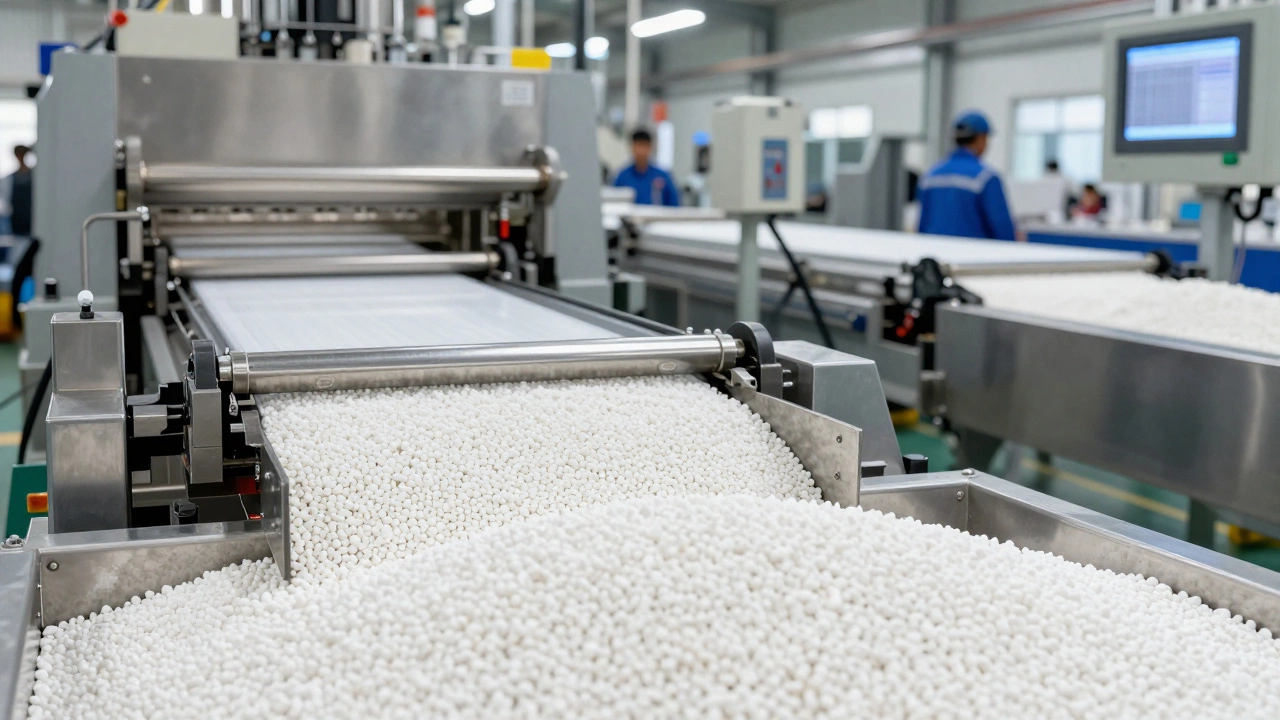
Plastic Demand & Selection Tool
Select your manufacturing capabilities and target market to identify the most in-demand plastics for your business in 2026.
Recommended Strategy
Top Resins to Stock:
Walk into any factory floor or supply chain meeting today, and the conversation has shifted. It’s no longer just about making plastic cheaper; it’s about making the *right* plastic that actually sells. With global regulations tightening on single-use items and consumers demanding sustainable options, the list of which plastic is in demand has changed dramatically since 2020. If you are a manufacturer trying to decide what resin to stock or process, guessing is expensive. You need to know exactly where the market is heading.
The short answer? Polypropylene (PP) and High-Density Polyethylene (HDPE) are currently dominating the volume game because they are recyclable and versatile. But if you want higher margins, engineering plastics like Polycarbonate (PC) and Acrylonitrile Butadiene Styrene (ABS) are seeing a surge due to the electronics and electric vehicle (EV) booms. Let’s break down exactly which plastics are moving units right now and why.
The Big Three: Commodity Plastics Still Rule Volume
When we talk about mass production, commodity plastics remain the backbone of the industry. These materials make up the vast majority of plastic usage globally. However, their demand drivers have evolved.
Polypropylene (PP) is the most in-demand plastic for packaging and automotive applications due to its lightweight nature and chemical resistance. Why is PP winning? Because it floats in water (making it easier to recycle than some alternatives) and it’s incredibly tough. From yogurt cups to car bumpers, PP is everywhere. In 2026, the push for lighter vehicles to improve EV range has made PP a critical material for automakers. It reduces weight without sacrificing durability, directly impacting battery efficiency.
Next up is High-Density Polyethylene (HDPE), a durable, moisture-resistant plastic widely used for milk jugs, detergent bottles, and pipes. HDPE is the king of rigidity among polyolefins. Its demand is fueled by two main factors: the continued reliance on plastic packaging for hygiene products and the infrastructure boom in developing economies. Pipes made from HDPE are replacing metal in water systems because they don’t corrode. If you are looking for steady, predictable demand, HDPE is your safest bet.
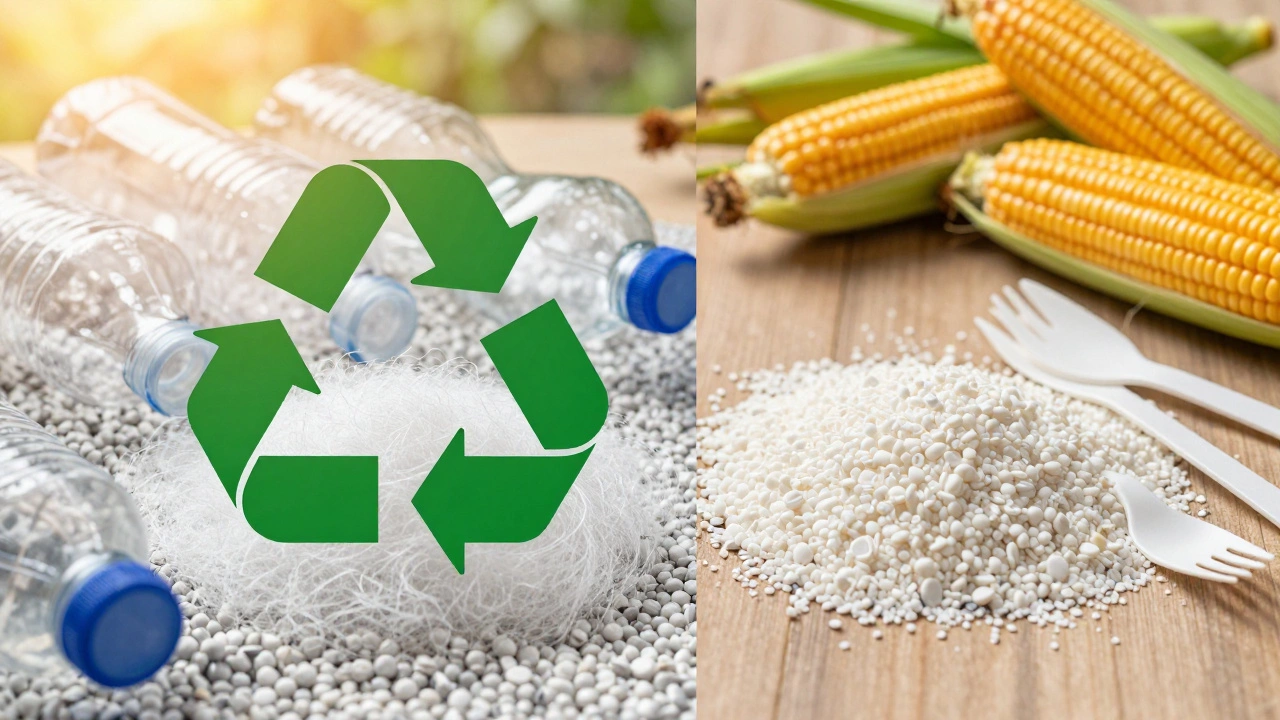
Then there’s Polyethylene Terephthalate (PET), a clear, strong plastic primarily used for beverage bottles and synthetic fibers. PET faces headwinds from glass and aluminum in the beverage sector, but its demand remains robust in textiles. Polyester fiber, made from recycled PET (rPET), is a massive market. Brands are under pressure to use recycled content, so rPET is arguably more valuable than virgin PET right now. If you can process post-consumer waste into high-quality pellets, you are tapping into a premium segment of the PET market.
| Plastic Type | Primary Use Case | Recyclability Score | Demand Driver 2026 |
|---|---|---|---|
| Polypropylene (PP) | Automotive parts, flexible packaging | High | EV weight reduction, food safety |
| HDPE | Rigid containers, piping | Very High | Infrastructure projects, hygiene goods |
| PET | Beverage bottles, textiles | Medium-High | Fashion industry shift to rPET |
Engineering Plastics: Where the Margins Are
If commodity plastics are the bread and butter, engineering plastics are the steak dinner. They cost more per kilogram, but they solve specific problems that cheaper plastics can’t. This is where the real growth opportunities lie for specialized manufacturers.
Acrylonitrile Butadiene Styrene (ABS) is a thermoplastic known for its impact resistance and ease of processing, commonly used in consumer electronics and toys. ABS is having a moment thanks to the 3D printing revolution and the continued demand for durable consumer goods. Think LEGO bricks, keyboard keys, and protective casings for laptops. As devices get smaller and more compact, the need for precise, strong, and aesthetically pleasing plastics like ABS grows. It also blends well with other polymers, allowing manufacturers to tweak properties for specific jobs.
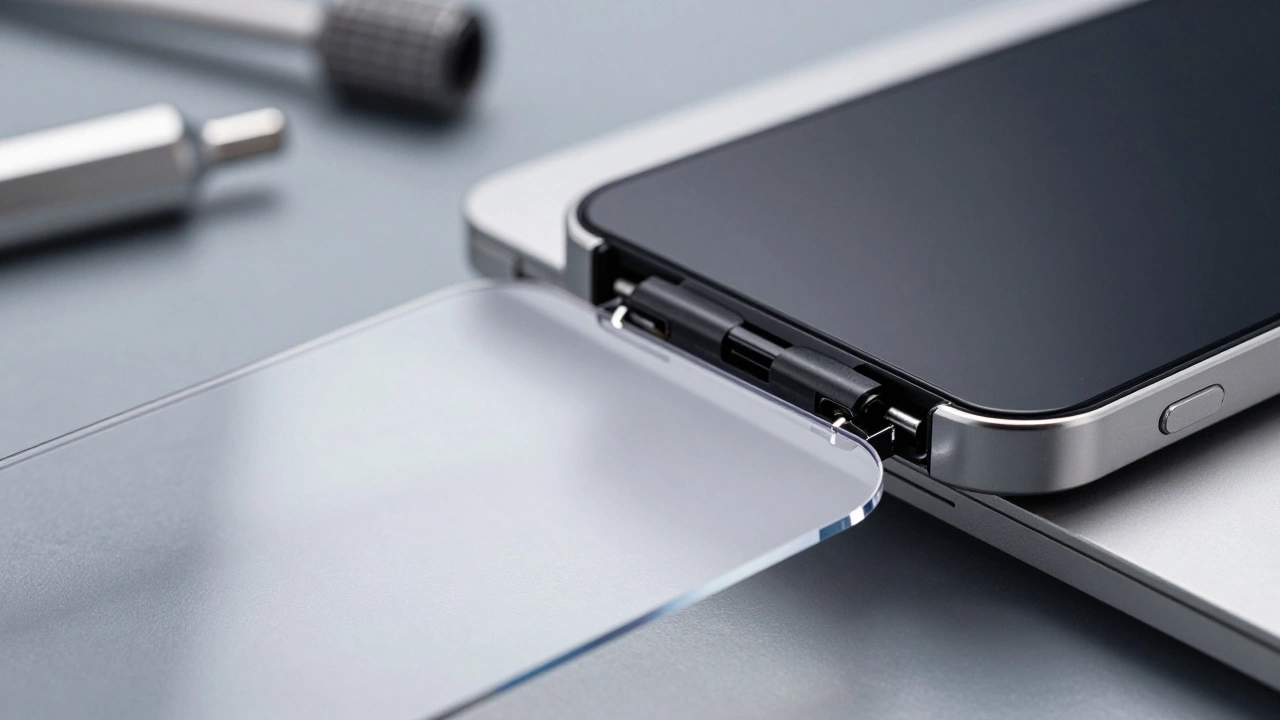
Polycarbonate (PC) is a transparent, highly impact-resistant plastic used in eyewear lenses, automotive headlamps, and electronic displays. PC is indispensable where clarity and strength meet. With the rise of augmented reality (AR) glasses and larger smartphone screens, the demand for optical-grade polycarbonate is skyrocketing. It doesn’t shatter like glass, which makes it safer for wearables and automotive interiors. If you are investing in injection molding equipment, PC opens doors to high-value medical and tech components.
We also cannot ignore Nylon (Polyamide), a strong, flexible polymer used in gears, bearings, and textile fibers. Nylon is essential for mechanical parts that undergo friction. In the electric vehicle sector, nylon is used extensively in under-the-hood components because it can withstand heat and vibration better than metals in certain applications. It’s also the go-to material for high-performance athletic wear, linking it back to the fashion industry’s sustainability goals when produced bio-based.
The Sustainability Shift: Bio-Based and Recycled Plastics
You cannot discuss plastic demand in 2026 without talking about sustainability. The "which plastic is in demand" question now includes a sub-question: "Is it green?" Regulations in the EU and increasingly in Asia are mandating recycled content in new products. This has created a secondary market that rivals virgin plastic in importance.
Bioplastics, such as Polylactic Acid (PLA), are plastics derived from renewable biomass like corn starch or sugarcane rather than petroleum. PLA is popular in compostable packaging and disposable cutlery. While it hasn’t replaced traditional plastics in structural applications due to lower heat resistance, its demand is growing steadily in the food service industry. Companies like Coca-Cola and Nestlé have committed to using significant percentages of biobased materials, driving procurement volumes up.
However, the biggest opportunity isn’t necessarily new bioplastics-it’s mechanical recycling. Chemical recycling is still scaling up, but mechanically recycled PP and PE are in high demand from brands facing Extended Producer Responsibility (EPR) laws. Manufacturers who can certify their recycled output meet strict quality standards are finding buyers willing to pay a premium. The key here is traceability. Buyers want proof that the plastic is truly recycled and free from contaminants.
Regional Differences in Plastic Demand
Where you sell matters as much as what you sell. Plastic demand is not uniform across the globe.
In Asia-Pacific, particularly China and India, the demand is driven by rapid urbanization and industrialization. Here, PVC (Polyvinyl Chloride) remains strong due to construction needs-pipes, window frames, and flooring. The sheer scale of infrastructure development keeps PVC prices stable even as environmental concerns grow.
In Europe, the narrative is different. Strict bans on single-use plastics have crushed demand for thin-film LDPE (Low-Density Polyethylene) bags and simple packaging. Instead, European buyers are seeking multi-layer films that are mono-material (e.g., all-PP structures) to ensure recyclability. If you are exporting to Europe, your product must be designed for end-of-life recycling from day one.
In North America, the focus is on automotive and healthcare. The US auto industry is heavily investing in lightweighting strategies to meet fuel economy standards, boosting PP and PC demand. Meanwhile, the healthcare sector’s post-pandemic normalization has increased demand for sterile, single-use medical devices, often made from Tygon or specialized copolymers.
How to Choose the Right Plastic for Your Business
So, how do you decide which path to take? It depends on your capabilities and risk appetite.
- If you have low-cost extrusion lines: Focus on HDPE and PP. These markets are competitive but huge. Differentiate through consistent quality and reliable delivery times rather than price alone.
- If you have precision injection molding: Look at ABS, PC, and Nylon. Target niche industries like medical devices, aerospace connectors, or consumer electronics accessories. Margins are higher, and customer loyalty is stronger once you pass qualification audits.
- If you can handle sorting and washing: Invest in recycled feedstocks. The ability to produce certified rPP or rPE is a major selling point. Partner with local waste management firms to secure a steady supply of clean feedstock.
Avoid over-investing in PVC unless you are deeply embedded in the construction supply chain. Regulatory risks are high, and public perception is poor. Similarly, be cautious with PLA unless you have direct contracts with large food-service distributors, as the composting infrastructure required to realize its benefits is still limited in many regions.
Future Outlook: What’s Next After 2026?
The plastic industry is entering an era of circularity. Linear models (make, use, dispose) are becoming liabilities. Manufacturers who integrate design-for-recycling principles will thrive. Expect to see more demand for chemically recycled plastics as technology matures, offering a way to handle complex mixed-waste streams that mechanical recycling can’t touch.
Also, watch the rise of smart plastics. Materials embedded with sensors or conductive properties are emerging in IoT (Internet of Things) devices. While this is still a small slice of the pie, it represents the next frontier for high-value polymer applications. For now, stick to the fundamentals: PP, HDPE, and PET for volume; ABS and PC for value. Keep an eye on regulatory changes in your target markets, as they will dictate which plastics become obsolete and which become gold.
Which plastic is most recyclable?
HDPE (High-Density Polyethylene) and PP (Polypropylene) are currently the most recyclable commodity plastics. They are mono-materials, meaning they don’t require separation of layers, and they maintain their properties well after multiple recycling cycles. PET is also highly recyclable but is often downcycled into fibers rather than new bottles.
Is PVC still in demand despite environmental concerns?
Yes, PVC remains in high demand, particularly in the construction industry for pipes, cables, and flooring. However, its use in packaging and consumer goods is declining rapidly due to toxicity concerns and difficult recyclability. Manufacturers should view PVC as a niche, regulated market rather than a growth area.
What is the difference between virgin and recycled plastic pricing?
Historically, recycled plastic was cheaper. In 2026, high-quality certified recycled PP and PE often command a premium over virgin material due to scarcity and brand demand for sustainability credentials. The price gap fluctuates with oil prices, but the trend favors recycled content for branded goods.
Which plastic is best for electric vehicle manufacturing?
Polypropylene (PP) is the top choice for interior panels and exterior trim due to its light weight. Polycarbonate (PC) is used for lighting and display components. Nylon (PA) is critical for under-the-hood parts that need to withstand heat and stress. Lightweighting is the primary driver for plastic adoption in EVs.
Are bioplastics ready to replace traditional plastics?
Not yet for most applications. Bioplastics like PLA have limitations in heat resistance and durability compared to traditional petrochemical plastics. They are suitable for specific uses like cold-fill beverages, compostable cutlery, and short-life packaging. For structural or long-lasting goods, traditional engineering plastics remain superior.