Which Manufacturing Has the Highest Profit Margins in 2026?

High-Margin Manufacturing Profit Estimator
Estimate your potential profitability by entering your expected production costs and retail prices. This tool helps you compare different manufacturing niches discussed in the article.
You quit your nine-to-five, bought some equipment, and started making widgets. Six months later, you're working harder than ever, but your bank account looks suspiciously empty. Sound familiar? It’s the classic trap of manufacturing the process of converting raw materials into finished goods for sale. Most people assume that if they make something, they’ll make money. But here’s the cold hard truth: not all factories are created equal. Some sectors are printing cash while others are barely breaking even on electricity bills.
If you’re looking to start a business or pivot an existing one, you need to know where the real money is hiding. We aren’t talking about massive automotive plants with billions in capital expenditure. We’re talking about accessible, high-margin niches that a savvy entrepreneur can actually enter. So, which manufacturing has the highest profit? The answer isn’t a single industry, but rather a specific intersection of low material costs, high perceived value, and scalable demand.
The Profit Margin Myth vs. Reality
Before we name names, let’s clear up a misconception. High revenue does not mean high profit. A furniture maker selling £500 sofas might have great cash flow, but if the timber, labour, and shipping eat up £480, their margin is razor-thin. Conversely, a cosmetics manufacturer selling £15 moisturiser might only spend £3 on ingredients and packaging. That’s a gross margin of 80%. Even after marketing and overheads, the net profit is often double what the furniture maker takes home.
To find the winners, we look at three factors:
- Raw Material Cost: Is it cheap and abundant?
- Perceived Value: Will customers pay a premium for branding or convenience?
- Production Complexity: Can it be made quickly without expensive machinery?
When you align these three, you hit the sweet spot. Let’s break down the top contenders for 2026.
Cosmetics and Personal Care: The King of Margins
If there is one sector that consistently tops the list for profitability, it’s cosmetics manufacturing the production of beauty products such as skincare, makeup, and hair care. Why? Because you are essentially selling water, oils, and scent in a pretty bottle.
Consider a simple face serum. The active ingredients (like Vitamin C or Hyaluronic Acid) cost pennies per unit. The glass bottle and dropper might cost £0.50. The label and box add another £0.20. Total production cost? Maybe £1.50. You sell it for £25. Even with heavy marketing spend-which is necessary in this competitive space-you still retain a healthy chunk of that £23.50 gap.
What makes this better than other consumer goods is the repeat purchase rate. People don’t buy a sofa every month. They buy shampoo, soap, and lotion constantly. If your product works, you have a customer for life. For small manufacturers, private labeling or creating a niche brand (e.g., vegan, cruelty-free, or organic) allows you to charge premium prices without needing a factory the size of Unilever.
Food Processing: Niche Snacks and Beverages
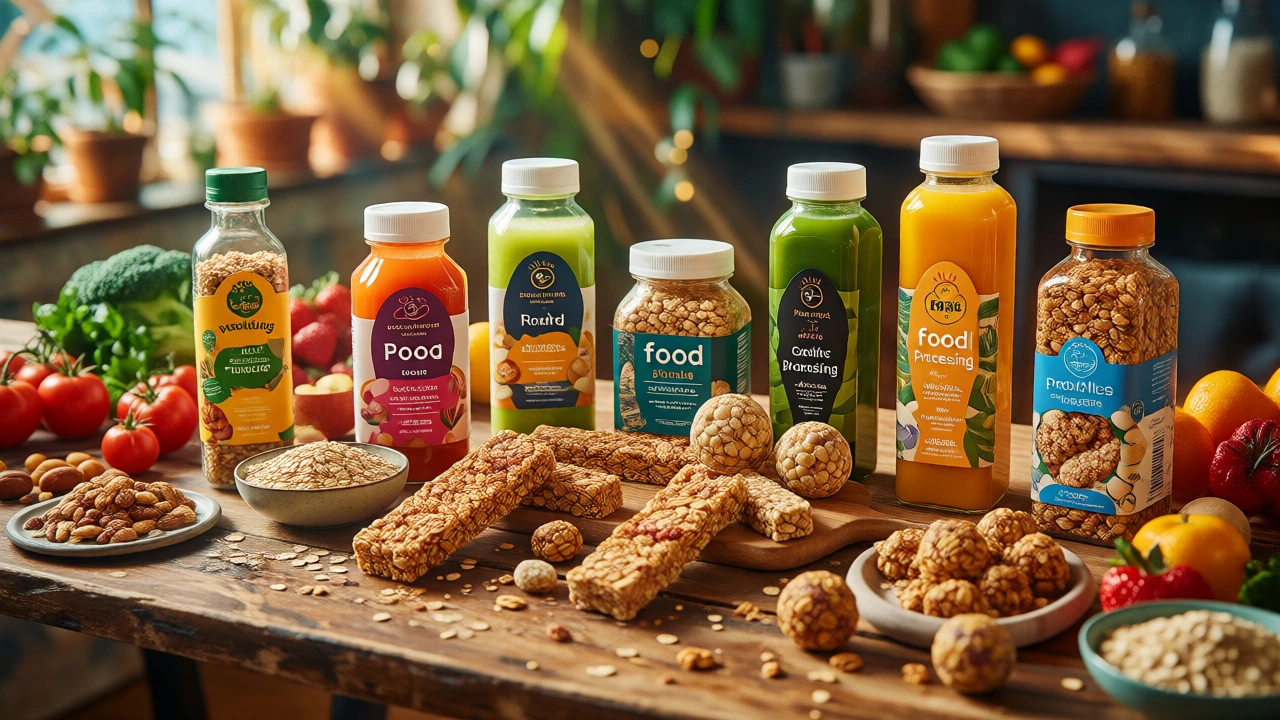
Next up is food processing the transformation of raw foodstuffs into ready-to-eat or ready-to-cook products. Specifically, we’re looking at snacks and specialty beverages. The general rule in food is that fresh produce has low margins, but processed, branded food has high margins.
Take artisanal granola bars or protein balls. Oats, nuts, honey, and chocolate chips are relatively inexpensive when bought in bulk. However, once you package them as "gluten-free," "keto-friendly," or "energy-boosting," the price tag jumps significantly. A batch of granola costing £20 to make can yield 100 bars sold at £2 each. That’s £200 revenue from £20 cost.
Beverages are even more lucrative. Cold-pressed juices, kombucha, or craft sodas have incredibly low ingredient costs compared to their retail price. The challenge here is shelf life and distribution. Unlike cosmetics, food spoils. You need efficient logistics. But if you solve that puzzle, the margins are exceptional because health-conscious consumers are willing to pay for convenience and perceived health benefits.
Customized Apparel and Textiles
You might think clothing is saturated, and you’d be right about fast fashion. But custom apparel manufacturing the production of personalized or limited-run clothing items using digital printing or embroidery is a different beast entirely.
The magic lies in Print-on-Demand (POD) integration and local micro-factories. When you manufacture locally, you eliminate long shipping times and tariffs. More importantly, you offer customization. A plain t-shirt costs £3 wholesale. Add a unique design via screen printing or DTG (Direct-to-Garment) printing, and you sell it for £25. The markup covers the art, the machine wear, and the labour.
This sector thrives on community and identity. Think sports teams, corporate events, or influencer merchandise. The profit comes from the exclusivity. If you can turn around orders in 48 hours, you beat overseas competitors who take weeks. Speed equals service, and service commands higher prices.
Recycled Plastic Products: Turning Trash into Treasure
Sustainability isn’t just a buzzword; it’s a profit driver. recycled plastic manufacturing processing waste plastic into new products like pellets, sheets, or molded items offers a dual advantage: cheap raw materials and eco-premium pricing.
Most manufacturers buy virgin plastic pellets at market rates. Recyclers, however, often get waste plastic for free or very cheap, sometimes even getting paid to take it away. You shred it, melt it, and mold it into garden pots, outdoor furniture, or industrial pallets. The input cost is near zero. The output product sells at a premium because it carries an "eco-friendly" label.
In the UK and Europe, regulations are tightening on single-use plastics, pushing brands toward recycled alternatives. This creates a guaranteed demand pipeline. If you set up a small injection molding unit focused on household items, you’re riding a regulatory wave that won’t crash anytime soon.
Health Supplements and Nutraceuticals
Similar to cosmetics, nutraceuticals foods or parts of foods that provide medical or health benefits, including the prevention of disease rely on high perceived value. Vitamins, protein powders, and herbal supplements are lightweight, non-perishable, and easy to ship globally.
The barrier to entry used to be high due to strict compliance laws, but contract manufacturing has lowered the hurdle. You can formulate a blend, send it to a certified lab, and receive white-label bottles. Your main cost is marketing and formulation expertise, not raw materials. A tub of whey protein powder costs roughly £5-£7 to produce and package. It retails for £30-£40. The margin is substantial, provided you can differentiate your brand in a crowded Amazon marketplace.
Comparing the Top Contenders
How do these stack up against each other? Here is a realistic breakdown based on typical startup scenarios in 2026.
| Sector | Avg. Gross Margin | Startup Cost | Complexity | Key Risk |
|---|---|---|---|---|
| Cosmetics | 70-90% | Low (£5k-£15k) | Medium | Regulatory Compliance |
| Nutritionals | 60-80% | Medium (£10k-£25k) | High | Market Saturation |
| Snack Foods | 50-70% | Medium (£15k-£40k) | Medium | Shelf Life/Spoilage |
| Custom Apparel | 40-60% | Low (£3k-£10k) | Low | Trend Volatility |
| Recycled Plastics | 40-55% | High (£50k+) | High | Machinery Maintenance |
Hidden Costs That Eat Your Profits
It’s easy to look at the table above and rush to order a filling machine. But before you sign any leases, consider the silent killers of profit margins.
Customer Acquisition Cost (CAC): In cosmetics and supplements, you might spend £10 in ads to acquire a customer who spends £20. If your product doesn’t encourage repeat buys, you lose money. High margins are useless if you can’t keep customers.
Inventory Bloat: Food and fashion are risky. If you guess wrong on flavors or sizes, you’re stuck with dead stock. Cosmetics and supplements have longer shelf lives, making them safer bets for beginners.
Compliance Nightmares: One bad batch of contaminated cream can shut you down. Factor in insurance and quality testing costs. These aren’t optional extras; they are part of your COGS (Cost of Goods Sold).
How to Choose Your Niche
So, how do you pick? Don’t just chase the highest percentage. Chase the fit.
- Assess Your Capital: If you have under £10k, start with cosmetics or custom apparel. If you have £50k+, consider recycled plastics or specialized food processing.
- Evaluate Your Skills: Are you good at marketing? Go for cosmetics/supplements where branding is everything. Are you good at logistics? Try food or apparel.
- Check Local Demand: Is there a gap in your local market? Maybe everyone wants gluten-free bread, but no one is baking it locally. Local manufacturing saves shipping costs and appeals to "buy local" sentiment.
Remember, the highest profit isn’t always in the most popular product. Sometimes, it’s in the boring, unsexy items that everyone needs but no one loves to make. Industrial adhesives, specialized gaskets, or biodegradable packaging inserts often have steadier margins than trendy gadgets.
Final Thoughts on Scaling
Starting small is key. Test your product with a minimum viable batch. Sell it online before renting a warehouse. Once you prove the model, then invest in automation. The goal isn’t to build a factory; it’s to build a brand that manufactures its own goods. That distinction matters. Brands control pricing power; factories often don’t.
By focusing on high-value-add sectors like cosmetics, nutrition, and sustainable goods, you position yourself to capture the best margins available in 2026. Just remember: the machine doesn’t make the money. The customer relationship does.
Which manufacturing business has the lowest startup cost?
Custom apparel and cosmetics typically have the lowest barriers to entry. You can start with basic heat press machines or small-scale mixing equipment for under £5,000, especially if you use third-party fulfillment centers initially.
Is food manufacturing more profitable than electronics?
Generally, yes, for small businesses. Electronics manufacturing requires massive volume to achieve thin margins due to component costs and rapid obsolescence. Food and cosmetics allow for higher markups on lower volumes, making them more suitable for SMEs.
What is the biggest risk in high-margin manufacturing?
Market saturation and regulatory changes. In sectors like cosmetics, trends change quickly, and regulations regarding ingredients can shift overnight. Maintaining agility and keeping inventory lean are crucial mitigation strategies.
Do I need my own factory to start?
No. Many successful brands start with contract manufacturing or co-packing facilities. This allows you to focus on branding and sales while experts handle production quality and compliance. You can bring production in-house later once demand stabilizes.
How important is branding in high-profit manufacturing?
Critical. In high-margin sectors like skincare or supplements, the physical product difference between competitors is often negligible. Branding, storytelling, and trust are what justify the premium price point and drive repeat purchases.