Which is the No 1 Drug Company in India? Sun Pharma vs. Dr. Reddy's
Indian Pharma Company Selector
Who are you?
Select your primary role or goal to find the top pharmaceutical match.
Select your profile and click Analyze to see which pharma giant fits your needs best.
Who actually holds the crown for the number one spot among pharmaceutical manufacturers in India? If you look at revenue and market capitalization, the answer usually points to one giant: Sun Pharmaceutical Industries. But if you measure by global footprint or specific therapeutic expertise, other names like Dr. Reddy’s Laboratories and Cipla jump into the conversation. The Indian pharma sector isn’t a monopoly; it’s a fierce battleground where scale meets science.
India is often called the "pharmacy of the world," supplying roughly 20% of all generic drugs exported globally. With over 500 multinational companies and thousands of domestic players, identifying the single "best" company depends on what metric matters most to you. Are you an investor looking for stock performance? A hospital procurement officer seeking reliable supply chains? Or a researcher interested in R&D capabilities? Let’s break down the contenders for the top spot in 2026.
The Revenue King: Sun Pharmaceutical Industries
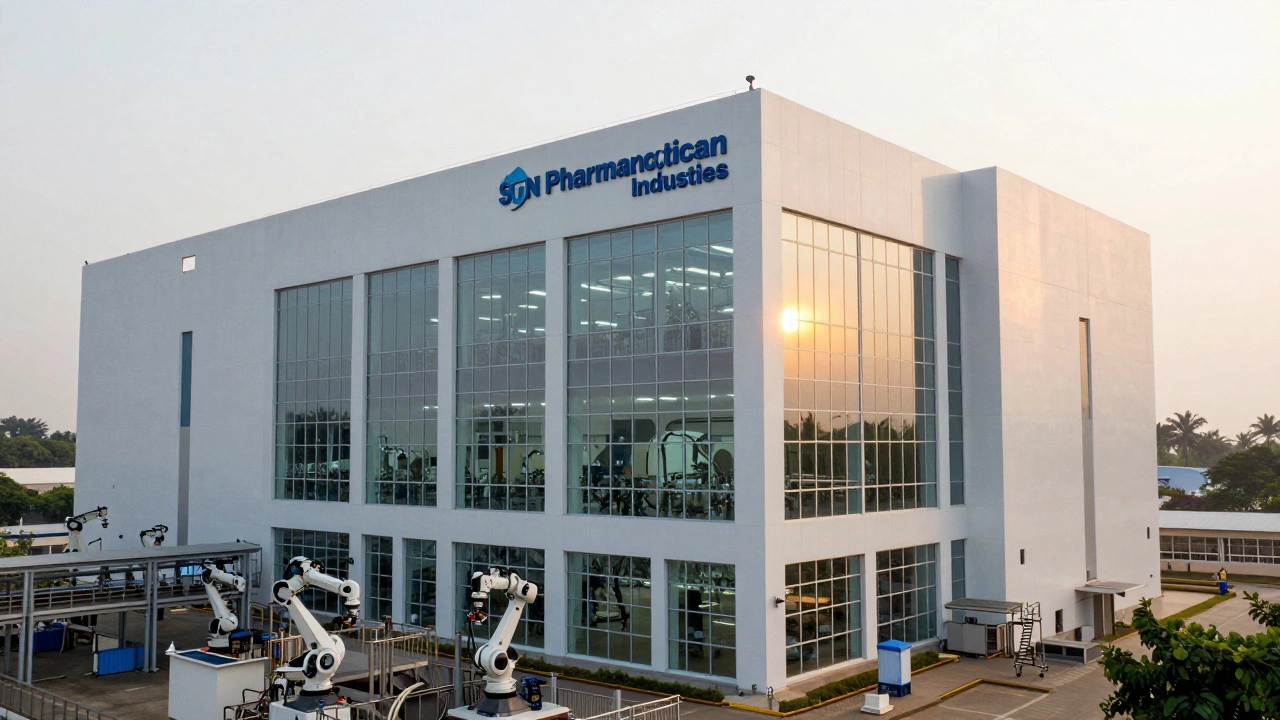
When people ask who is the biggest drug company in India, Sun Pharmaceutical Industries is the largest pharmaceutical company in India by revenue and market capitalization. Headquartered in Mumbai, Sun Pharma has consistently topped the charts for years. As of early 2026, their annual revenue crosses the ₹40,000 crore mark, significantly outpacing its nearest competitors.
Why does Sun Pharma hold this position? It comes down to sheer volume and a diverse portfolio. They don't just make antibiotics; they dominate in central nervous system (CNS) disorders, diabetes, and cardiovascular treatments. Their acquisition strategy has been aggressive, buying up smaller US-based generics firms to secure direct access to the American market, which remains the most lucrative destination for Indian exporters.
For investors and partners, Sun Pharma represents stability. They have a massive manufacturing footprint across multiple states in India, including Gujarat and Maharashtra, ensuring they can ramp up production quickly during health crises. However, being the biggest also means they face intense scrutiny from regulatory bodies like the FDA in the United States. Any compliance issue can shake their stock price, but so far, their operational resilience has kept them at the top.
The Global Challenger: Dr. Reddy’s Laboratories
If Sun Pharma is the king of revenue, Dr. Reddy’s Laboratories is a leading Indian multinational pharmaceutical company known for strong presence in emerging markets and complex generics. Founded by Dr. Anji Reddy in Hyderabad, this company has carved out a unique niche. While Sun Pharma focuses heavily on the US and Europe, Dr. Reddy’s has built an unshakeable stronghold in Russia, Eastern Europe, and Latin America.
What makes Dr. Reddy’s a contender for the "No 1" title is its agility. They are often faster than larger rivals in launching biosimilars-biological copies of expensive brand-name drugs. In 2025 and 2026, the shift towards biologics has accelerated, and Dr. Reddy’s has positioned itself as a key player in this high-margin segment. Their research and development spend per employee is among the highest in the industry, signaling a long-term bet on innovation rather than just volume.
Moreover, their partnership model with European giants allows them to co-develop drugs, sharing risks and rewards. This strategic approach gives them a different kind of power-one based on intellectual property and collaborative science rather than just manufacturing scale.
The Public Health Giant: Cipla
You cannot talk about India’s top drug companies without mentioning Cipla is an Indian multinational pharmaceutical company renowned for affordable medicines and respiratory care products. Founded by Yusuf Hamied, Cipla has a legacy that goes beyond balance sheets. They are widely credited with making HIV/AIDS treatment accessible in developing nations through low-cost generics.
In terms of pure financial metrics, Cipla usually sits third behind Sun Pharma and Dr. Reddy’s. However, their influence in the respiratory and anti-infective segments is unmatched. During the pandemic, Cipla’s ability to produce remdesivir and later contribute to vaccine logistics showcased their operational excellence. For many healthcare providers in Africa and Southeast Asia, Cipla is effectively the "number one" supplier due to reliability and pricing.
Cipla also leads in sustainability initiatives within the pharma sector. Their focus on green manufacturing processes appeals to global buyers who are increasingly demanding environmentally responsible supply chains. This ethical edge gives them a competitive advantage in tenders for government health programs worldwide.

Comparison of Top Indian Pharma Companies
| Company | Primary Strength | Key Markets | R&D Focus | Market Cap Status |
|---|---|---|---|---|
| Sun Pharma | Revenue & Scale | USA, Europe | CNS, Oncology | Highest |
| Dr. Reddy’s | Biosimilars & Agreements | Russia, LatAm, USA | Biologics, Complex Generics | High |
| Cipla | Affordability & Respiratory | Africa, Asia, India | Anti-infectives, Vaccines | Medium-High |
| Lupin | Dermatology & GI | USA, UK | Topical formulations | Medium |
| Aurobindo Pharma | API Integration | Germany, USA | Antibiotics, APIs | Medium |
Other Key Players in the Race
While the big three dominate headlines, two other entities deserve attention when discussing the top tier. Lupin Limited is a major Indian pharmaceutical company specializing in dermatology, gastroenterology, and cardiology. Lupin has grown rapidly by focusing on high-value therapeutic areas where competition is slightly lower. Their skin care and gut health portfolios are particularly strong, allowing them to maintain healthy profit margins even when generic antibiotic prices drop.
Then there is Aurobindo Pharma, a vertically integrated pharmaceutical company known for producing both Active Pharmaceutical Ingredients (APIs) and finished dosage forms. Aurobindo’s vertical integration is its superpower. Many pharma companies buy raw materials (APIs) from China, creating supply chain risks. Aurobindo manufactures its own APIs, giving it control over costs and quality. In times of geopolitical tension or raw material shortages, this self-sufficiency makes them a critical partner for global hospitals.
How to Define "Number One"?
The title of "No 1 drug company" shifts depending on your lens. Here is how different stakeholders view the hierarchy:
- For Investors: Sun Pharma is the safe harbor. Its consistent cash flow and dividend history make it the preferred choice for long-term wealth preservation.
- For Researchers: Dr. Reddy’s and Biocon (though smaller in size) lead in biotech innovation. If you care about the future of medicine, these companies are pushing boundaries.
- For NGOs and Governments: Cipla is often the go-to partner. Their track record in delivering life-saving drugs at minimal cost aligns with public health goals.
- For Supply Chain Managers: Aurobindo Pharma offers security. Their backward integration reduces dependency on external suppliers, minimizing disruption risks.
Challenges Facing the Top Tier
Even the giants face headwinds. The US Food and Drug Administration (FDA) continues to tighten inspection protocols. In recent years, several Indian plants faced warning letters, forcing companies to invest billions in upgrading facilities. Compliance is no longer optional; it’s the cost of entry.
Another challenge is pricing pressure. As more Chinese manufacturers enter the global generics market, prices for common drugs continue to fall. Indian companies must differentiate themselves through quality, speed to market, and complex formulations that are harder to copy. The era of easy money from simple generic tablets is over; the future belongs to those who can manufacture difficult-to-make drugs efficiently.
Future Outlook for Indian Pharma
Looking ahead to the end of 2026 and beyond, the consolidation trend will likely continue. Smaller players may struggle to meet rising regulatory standards, leading to acquisitions by the top five. We expect increased investment in AI-driven drug discovery and automated manufacturing. Companies that integrate digital twins into their production lines will gain a significant efficiency edge.
Furthermore, the rise of personalized medicine could reshape the landscape. While generics remain the backbone, the ability to offer targeted therapies will separate the leaders from the followers. Sun Pharma, Dr. Reddy’s, and Cipla are all expanding their oncology and immunology pipelines, signaling a shift from volume to value.
Is Sun Pharma really the number one pharma company in India?
Yes, by most financial metrics including revenue, market capitalization, and product portfolio size, Sun Pharmaceutical Industries is currently ranked as the largest pharmaceutical company in India. It has maintained this position for several years due to its strong presence in the US market and diverse range of treatments.
Which Indian pharma company is best for investing in 2026?
Investment suitability depends on your risk appetite. Sun Pharma is considered a stable, large-cap option with consistent dividends. Dr. Reddy’s might appeal to those看好ing growth in biosimilars and emerging markets. Always consult a financial advisor before making investment decisions, as stock markets are volatile.
Do Indian pharma companies export to the USA?
Absolutely. The United States is the largest export market for Indian pharmaceutical companies. Roughly 20-25% of all generic drugs consumed in the US are manufactured in India. Companies like Sun Pharma, Dr. Reddy’s, and Lupin have significant revenues from US sales.
What is the difference between Sun Pharma and Cipla?
Sun Pharma is larger in terms of revenue and focuses heavily on chronic diseases like diabetes and mental health in wealthy markets. Cipla is known for its focus on affordability, respiratory diseases, and serving developing markets. Cipla also has a stronger reputation in public health initiatives and sustainable manufacturing.
Are Indian-made drugs safe and regulated?
Yes, reputable Indian pharma companies adhere to strict Good Manufacturing Practices (GMP). They undergo rigorous inspections by the US FDA, European Medicines Agency (EMA), and other global regulatory bodies. While there have been isolated compliance issues in the past, the overall quality standards of top-tier Indian manufacturers are considered world-class.