Which Country Consumes the Most Steel? Global Market Trends 2026
Global Steel Consumption Profiler
Select a Region
Choose a country or region to analyze its steel consumption profile and strategic drivers.
Ready for Analysis
Please select a region from the list to view detailed steel market metrics.
Region Name
Growth RateStrategic Outlook:
-
Key Takeaways
- China dominates global steel consumption due to massive infrastructure and urban development.
- India is the fastest-growing market, driven by a push for "Make in India" initiatives.
- The USA and EU maintain steady use but are shifting toward "green steel" to hit climate goals.
- Steel demand is shifting from simple construction to high-tech automotive and energy sectors.
Why China Holds the Top Spot
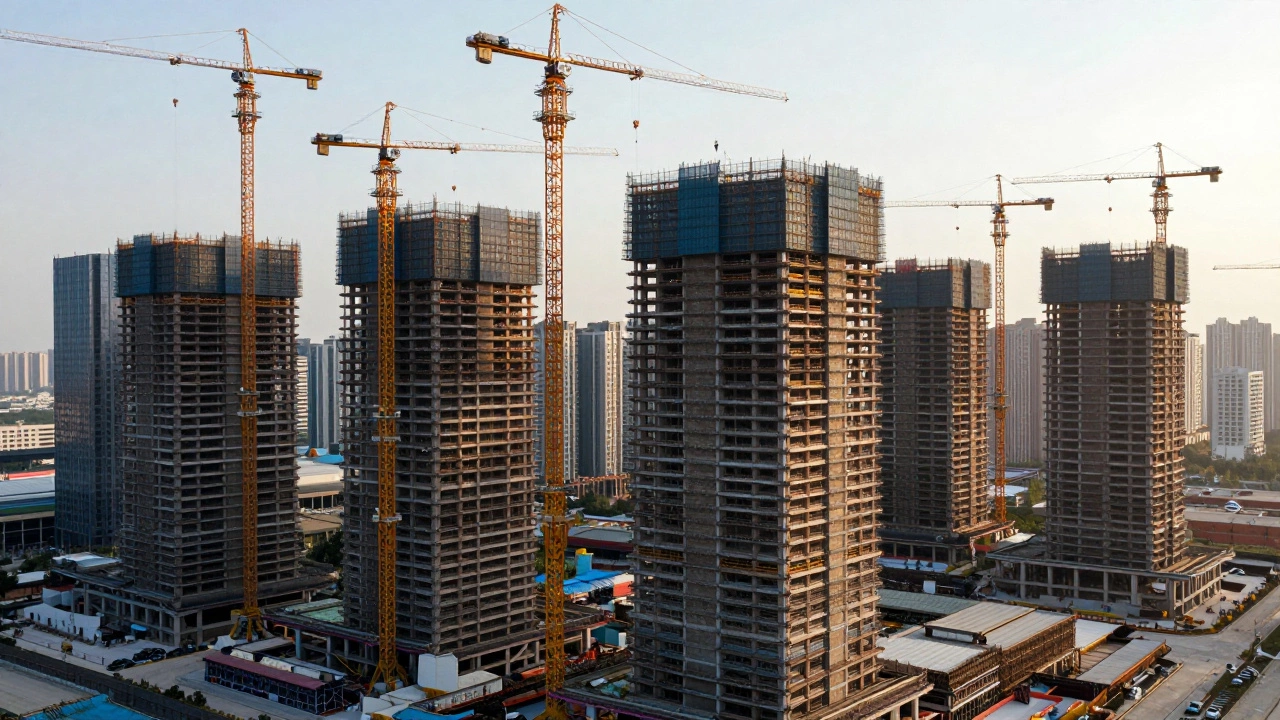
It's not just that China has a lot of people; it's about how they've built their society over the last few decades. Imagine building dozens of cities from scratch. That requires an unbelievable amount of Steel, which is an alloy of iron and carbon used as a structural material in construction and machinery. China's appetite for steel is tied directly to its massive investment in high-speed rail networks and sprawling urban apartments.
For years, the Chinese government has used infrastructure spending to keep its economy moving. When the economy slows down, they often launch new projects-bridges, dams, and airports-which instantly spikes the demand for steel beams and rebar. While they are trying to move away from this "build-it-all" strategy to avoid a real estate bubble, their sheer scale still keeps them at the top. They don't just consume steel; they produce the vast majority of it using Blast Furnaces, which are large reactors used to smelt iron ore into molten iron.
The Rise of India's Industrial Hunger
If China is the current king, India is the one climbing the ladder the fastest. India is currently in a massive growth phase. Think of it as China's 1990s. The government is pouring money into the "Gati Shakti" national master plan, which aims to connect all the logistics of the country through better roads and ports.
In India, steel consumption is tied to a growing middle class that wants better housing and more cars. The shift is also happening in the type of steel they use. There is a huge push toward Specialty Steels, which are steels with added elements like chromium or nickel to increase strength and corrosion resistance, for use in high-tech manufacturing. Because India has a younger population and a booming urban migration, their per-capita consumption is rising rapidly, making them the primary target for global investment in Steel Manufacturing Plants.
How the US and Europe Fit In
The United States and the European Union operate differently. They aren't building new cities from scratch, but they are constantly replacing old ones. This is called "brownfield development." They spend a lot of their steel on upgrading old bridges or replacing 50-year-old water mains.
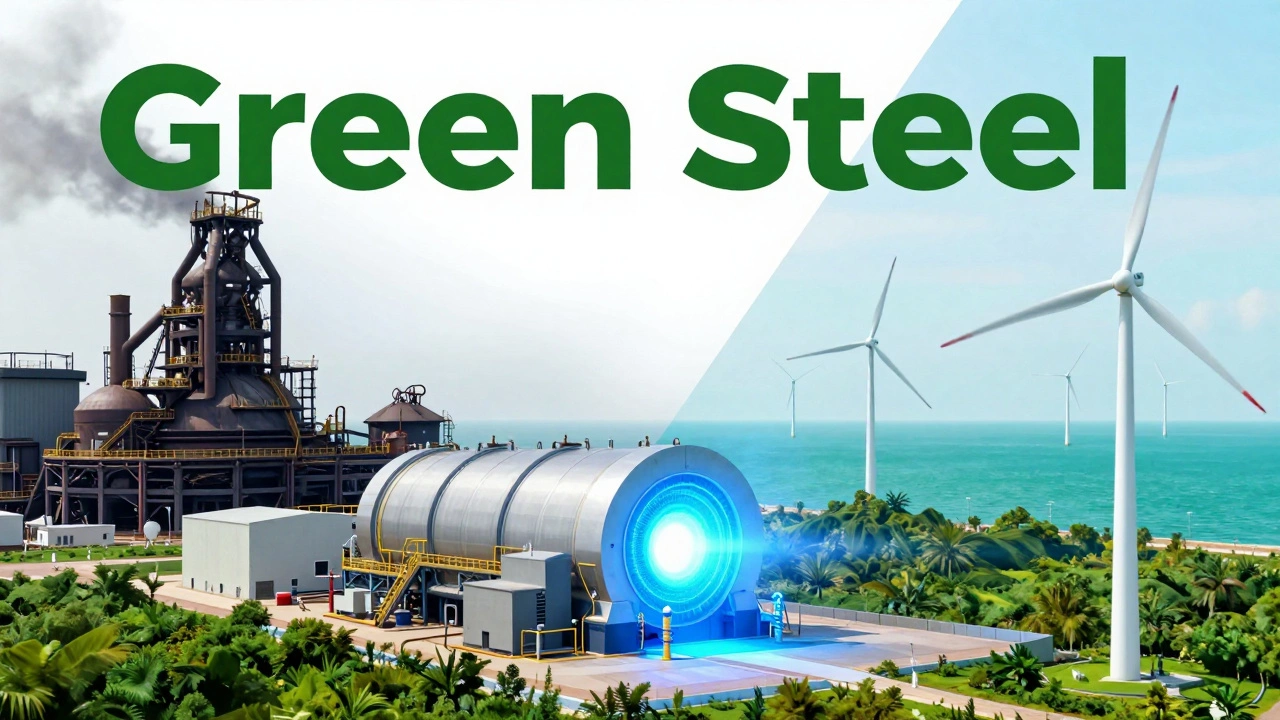
The big shift in the West is the move toward Green Steel. This is steel produced using hydrogen instead of coking coal to reduce carbon emissions. Since the EU has strict carbon taxes, they are forced to innovate. Instead of using traditional coal-heavy methods, they are pivoting to Electric Arc Furnaces (EAF), which are furnaces that melt scrap steel using electricity, significantly lowering the carbon footprint. The US is following a similar path, focusing on efficiency and high-grade steel for the aerospace and defense industries rather than sheer volume.
| Region | Primary Demand Driver | Typical Steel Type | Growth Rate |
|---|---|---|---|
| China | Urban Infrastructure | Carbon Steel / Rebar | Low/Stable |
| India | National Logistics / Housing | Structural & Specialty Steel | High |
| USA | Infrastructure Repair / Auto | High-Strength Low-Alloy (HSLA) | Moderate |
| European Union | Green Transition / Machinery | Recycled / Green Steel | Low |
The Connection Between Consumption and Production
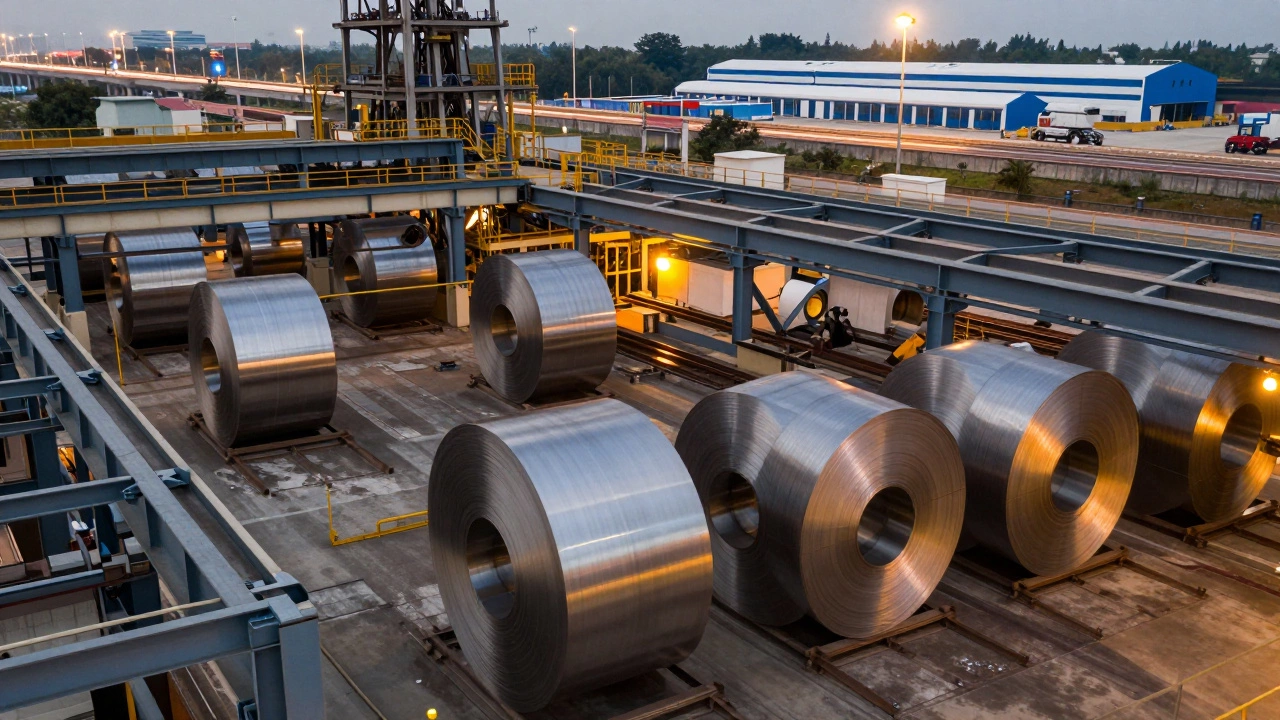
You can't talk about who consumes the most steel without talking about who makes it. Usually, the biggest consumers are also the biggest producers because shipping heavy steel across oceans is incredibly expensive. This is why you see so many Integrated Steelworks, which are plants that handle everything from raw iron ore to finished steel products, located right next to major industrial hubs.
When a country like China consumes 50% of the world's steel, it creates a massive gravity well for the rest of the market. If China's construction sector dips, the price of iron ore in Australia and Brazil crashes. This interdependence means that the steel consumption patterns of one single country can dictate the profit margins of a mining company thousands of miles away.
Future Shifts: Where is the Demand Moving?
We are starting to see a change in *what* is being consumed. For decades, the bulk of steel went into concrete reinforcement (rebar). Now, the focus is shifting toward the energy transition. Wind turbines and solar panel supports require massive amounts of steel. An offshore wind turbine, for example, needs thousands of tons of high-grade steel to withstand saltwater corrosion and hurricane-force winds.
Additionally, the electric vehicle (EV) revolution is changing the game. While some argue that aluminum is replacing steel in cars to save weight, the demand for high-strength steel for battery casings and safety cages is actually keeping demand steady. The goal now is "light-weighting," where engineers use thinner but stronger steel to keep cars efficient without sacrificing safety.
Why does China use so much more steel than other countries?
China's dominance is the result of decades of rapid urbanization and state-led infrastructure projects. Their strategy of building massive cities, high-speed rail networks, and industrial zones required volumes of steel that far exceed the needs of more developed or less centralized economies.
Is India likely to overtake China in steel consumption?
While India is growing much faster in percentage terms, overtaking China in total volume would take a long time due to the sheer scale of China's current industrial base. However, India is becoming the most critical growth engine for the global steel industry.
What is the difference between carbon steel and specialty steel?
Carbon steel is the most common type, used for general construction and basic machinery. Specialty steels (like stainless or alloy steels) have added elements like chromium to prevent rust or molybdenum for higher strength, making them essential for medical tools, jet engines, and chemical plants.
How does "Green Steel" actually work?
Traditional steelmaking uses coal to remove oxygen from iron ore, releasing CO2. Green steel replaces coal with hydrogen. When hydrogen reacts with iron ore, the only byproduct is water vapor instead of carbon dioxide, drastically reducing the environmental impact.
Does the US still produce its own steel?
Yes, the US remains a major producer, but it has shifted its focus. Many US plants now use Electric Arc Furnaces to recycle scrap steel, which is more efficient and less polluting than the old-school blast furnace method.
What to Watch Next
If you're tracking this industry, keep an eye on the "Circular Economy." The world is moving away from digging up new iron ore and moving toward a system where steel is infinitely recycled. The countries that master the logistics of scrap collection and high-efficiency EAF smelting will likely dominate the next era of industrial power.
For those interested in the business side, look at how Southeast Asian nations like Vietnam and Indonesia are starting their own steel journeys. As China's growth plateaus, these "tiger economies" are the next frontiers for steel demand and manufacturing plant construction.