Where Is Plastic Made in the USA? Top Manufacturing Hubs
US Plastic Manufacturing Hub Finder
Select your primary need or product type below to discover the optimal US manufacturing hub.
Recommended Region:
Primary States:
Main Activity:
Key Advantage:
Why this location?
Regional Overview
Texas, Louisiana
The heartbeat of American plastic. Home to massive refineries and cracker plants producing raw resins.
Resin ProductionOhio, Michigan, Illinois
Focuses on turning raw materials into finished products via injection molding, especially for automotive.
Injection MoldingGeorgia, SC, AL
Emerging growth in packaging and consumer goods due to low costs and port access.
PackagingCalifornia
Leader in innovation, bioplastics, and sustainable alternatives driven by strict regulations.
InnovationYou probably touch plastic ten times before you even finish your morning coffee. The lid on your cup, the handle of your toothbrush, the casing on your phone. But have you ever stopped to wonder where all that material actually comes from? It’s not just shipped in from overseas. A massive chunk of it is made right here in the United States, often in places you might not expect.
If you’re looking for plastic manufacturing USA locations, the map isn’t as scattered as you’d think. Production clusters heavily around specific regions due to raw material access and infrastructure. This guide breaks down exactly where the plastic industry lives in America, which states dominate, and why those spots matter.
The Gulf Coast: The Heartbeat of American Plastic
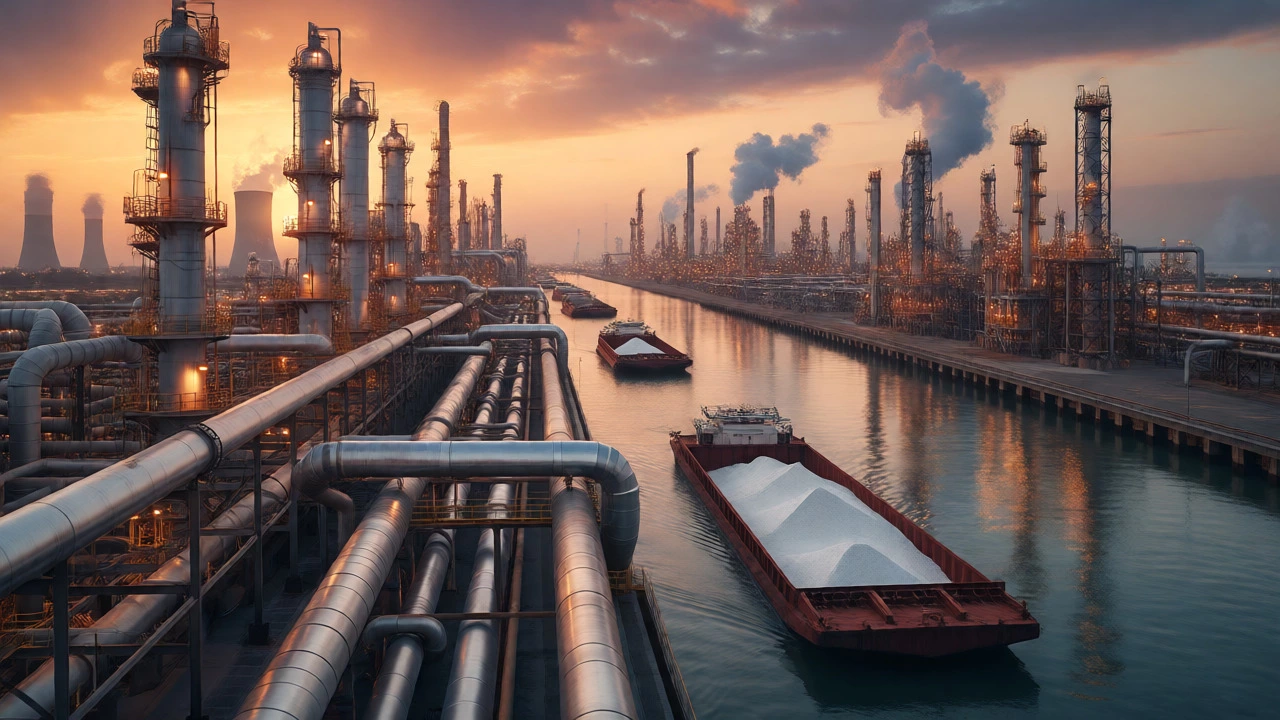
When people ask where plastic is made, the answer almost always starts with the Gulf Coast. Specifically, Texas and Louisiana. Why there? Because that’s where the oil and natural gas are. Plastic starts its life as petrochemicals-specifically ethylene and propylene-which are byproducts of refining crude oil and cracking natural gas liquids.
Texas is the undisputed king of plastic production. Cities like Houston and Beaumont are lined with massive refineries and cracker plants. These facilities convert raw hydrocarbons into the basic building blocks of plastic. If you drive along the ship channel in Houston, you’ll see miles of pipes and towers dedicated to this process. It’s industrial beauty if you’re into that sort of thing.
Louisiana plays a close second role. The area around Baton Rouge and Lake Charles is dense with chemical complexes. Companies like Dow and ExxonMobil operate huge sites here. The proximity to the Mississippi River makes shipping these materials easy. You can load up barges and send resin pellets anywhere in the country or world without clogging up highways.
This region benefits from what economists call "agglomeration economies." When suppliers, manufacturers, and logistics providers cluster together, costs drop. You don’t need to truck ethylene across the state; it flows through pipelines directly to the next factory. This efficiency keeps U.S. plastic competitive globally, despite higher labor costs compared to some Asian markets.
The Midwest: Processing and Injection Molding
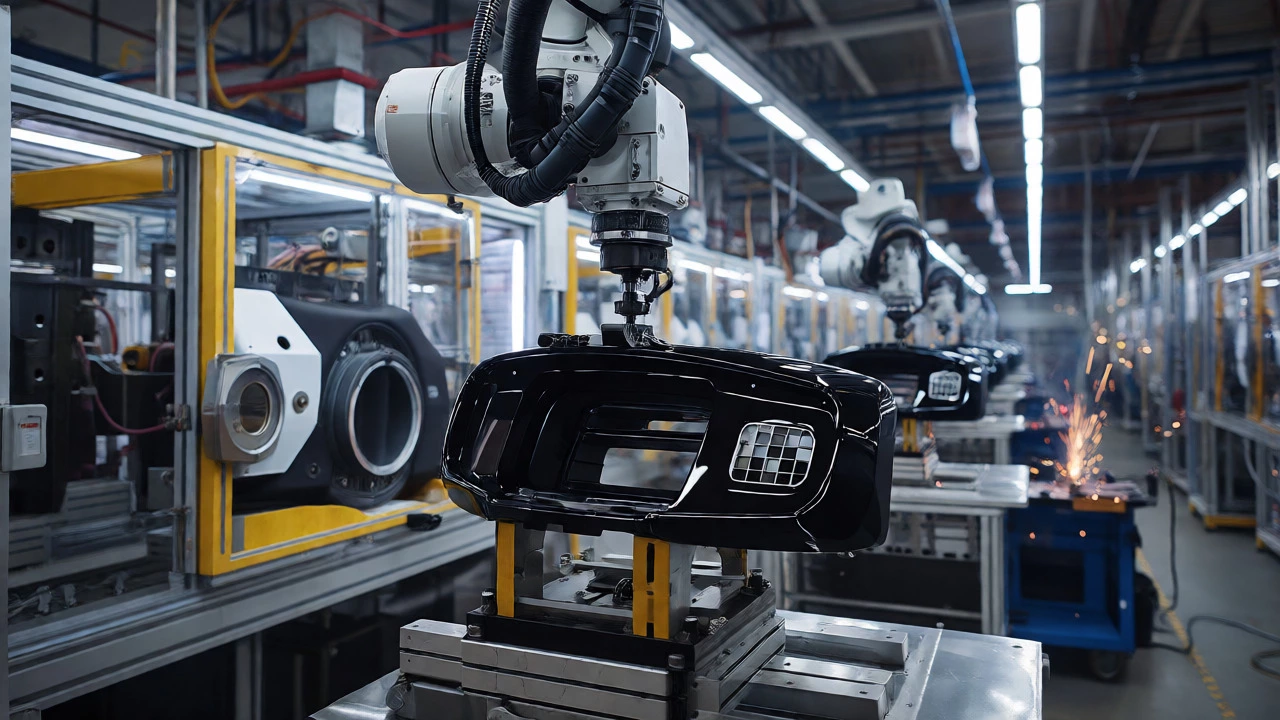
While the Gulf Coast handles the raw chemistry, the Midwest focuses on turning those raw materials into finished products. Think injection molding, blow molding, and extrusion. This is where plastic becomes car dashboards, medical devices, and packaging containers.
Ohio and Michigan are key players here. Their strength lies in the automotive industry. Car manufacturers need tons of plastic parts for interiors, under-the-hood components, and bumpers. Suppliers set up shop nearby to reduce shipping times and costs. In Michigan, cities like Grand Rapids and Detroit have long histories of plastics engineering. They’ve adapted from traditional metal-focused manufacturing to high-tech polymer applications.
Illinois, particularly the Chicago area, serves as a logistics hub. Many companies use Illinois as a distribution center because it’s central to the entire country. Rail lines converge here, making it easy to move both raw resins and finished goods. You’ll find many mid-sized custom molders in suburbs around Chicago, serving industries ranging from food packaging to consumer electronics.
The workforce in the Midwest also brings decades of experience in precision manufacturing. This matters when you’re making things like surgical tools or aerospace components where tolerances are tight. You can’t just guess; you need skilled technicians who understand how polymers behave under heat and pressure.
The Southeast: Emerging Growth and Packaging
The Southeast has seen significant growth in plastic manufacturing over the last decade. States like Georgia, Alabama, and South Carolina attract new factories with tax incentives and lower operating costs. But there’s another reason: proximity to major population centers and ports.
Georgia, especially around Atlanta, has become a hotspot for packaging production. With major retailers and distributors headquartered nearby, demand for corrugated plastic boxes, shrink wrap, and retail displays is high. The Port of Savannah also helps import specialized additives and export finished goods efficiently.
South Carolina has attracted foreign direct investment, particularly from European and Asian firms looking to serve the North American market. BMW’s presence in Spartanburg drives local supplier networks, including plastics for automotive interiors. Similarly, tire manufacturers in the Carolinas rely heavily on synthetic rubber and plastic compounds produced locally.
This region offers a balance between cost savings and market access. For businesses focused on fast-moving consumer goods (FMCG), being close to distribution centers means faster restocking and less inventory risk. That speed translates directly to profit margins.
Key Players and Specialized Regions
Beyond these broad regions, certain states specialize in niche types of plastic production. California, for instance, leads in bioplastics and sustainable alternatives. Driven by strict environmental regulations and a tech-savvy consumer base, California hosts startups developing plant-based polymers. While volume is lower than Texas, innovation rates are high.
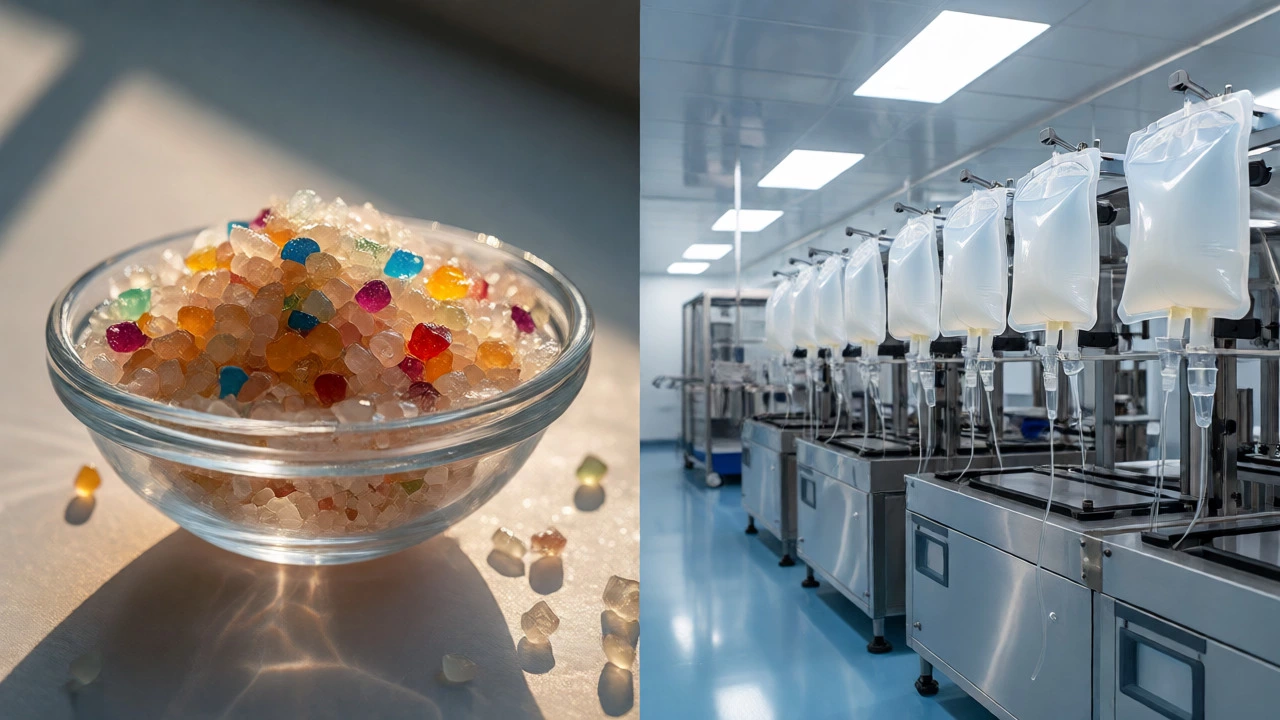
Pennsylvania and New York have strong ties to pharmaceutical packaging. Sterile, single-use plastic containers for IV bags and drug delivery systems are often manufactured in the Northeast. This sector requires clean-room environments and rigorous quality control, leveraging the region’s historical expertise in healthcare and chemicals.
Let’s look at how these regions compare in terms of output focus:
| Region | Primary States | Main Activity | Key Advantage |
|---|---|---|---|
| Gulf Coast | Texas, Louisiana | Resin Production & Cracking | Access to Oil/Gas & Pipelines |
| Midwest | Ohio, Michigan, Illinois | Injection Molding & Automotive Parts | Skilled Labor & Logistics Hub |
| Southeast | Georgia, SC, AL | Packaging & Consumer Goods | Low Costs & Port Access |
| West Coast | California | Bioplastics & Tech Components | Innovation & Sustainability Focus |
Why Location Matters More Than You Think
You might assume plastic is plastic, no matter where it’s made. But location affects everything from price to environmental impact. Shipping heavy resin pellets across the country adds carbon emissions and cost. Local sourcing reduces both.
Consider supply chain resilience. During recent global disruptions, companies realized they couldn’t rely solely on imports. Domestic manufacturing hubs allowed quicker pivots. A hospital needing syringes could source them from Pennsylvania rather than waiting months for a container ship from Asia. This security is driving more reshoring of plastic production.
Regulations also vary by state. California’s Prop 65 requires warnings for certain chemicals used in plastics. Manufacturers there adapt formulations to meet stricter standards. Meanwhile, Texas may offer different compliance burdens. Understanding these regional differences helps buyers choose suppliers who align with their brand values and legal requirements.
How to Find Specific Factories Near You
If you’re trying to source plastic parts or partner with a manufacturer, start by identifying your material type. Are you buying raw resin? Look toward the Gulf Coast. Need custom-molded parts? Check the Midwest or Southeast. Use directories like ThomasNet or the Plastics Industry Association member lists. Filter by zip code to find local options.
Don’t overlook smaller towns. Many family-owned molders operate in rural areas where land is cheap and labor is available. These shops often provide better customer service and flexibility than giant corporations. Visit their websites, check certifications like ISO 9001, and ask about lead times. Face-to-face interactions still matter in B2B relationships.
Also, consider the end-of-life plan. Some regions have better recycling infrastructure. The Northeast has robust curbside programs for certain plastics, while other areas lag behind. If sustainability is part of your product story, factor in where your waste goes after use.
Which state produces the most plastic in the USA?
Texas is the largest producer of plastic in the United States. Its dominance stems from extensive oil and natural gas reserves, which provide the raw materials for petrochemical production. Major cities like Houston and Beaumont host numerous refineries and cracker plants that produce the foundational resins used nationwide.
Is plastic made in the USA cheaper than imported plastic?
It depends on the commodity and energy prices. Historically, low-cost labor in Asia made imports cheaper. However, rising shipping costs, tariffs, and volatile oil prices have narrowed the gap. For bulky items or time-sensitive goods, domestic production in the USA is often more cost-effective due to reduced freight expenses and faster turnaround times.
What are the main types of plastic made in the USA?
The most common plastics produced in the USA include Polyethylene (PE) for bottles and bags, Polypropylene (PP) for automotive parts and packaging, and Polyvinyl Chloride (PVC) for construction materials. Specialty engineering plastics like Polycarbonate and ABS are also widely manufactured, particularly in the Midwest and Northeast for electronics and medical devices.
Does California manufacture traditional petroleum-based plastics?
Yes, California does produce petroleum-based plastics, but it is also a leader in alternative materials. Due to stringent environmental laws, the state fosters innovation in bioplastics and recycled content usage. While it doesn't have the massive resin-cracking capacity of Texas, it excels in high-value, specialized plastic applications and sustainable solutions.
How does the location of a plastic factory affect my business?
Location impacts lead times, shipping costs, and communication ease. A local factory allows for quicker prototyping and easier site visits. Regional regulations may also affect compliance requirements. Additionally, choosing a supplier near your customers can reduce final-mile delivery costs and improve sustainability metrics by lowering transportation emissions.